
Court sentences 43 to life imprisonment, acquits 92 in ‘Cabinet clashes’ retrial
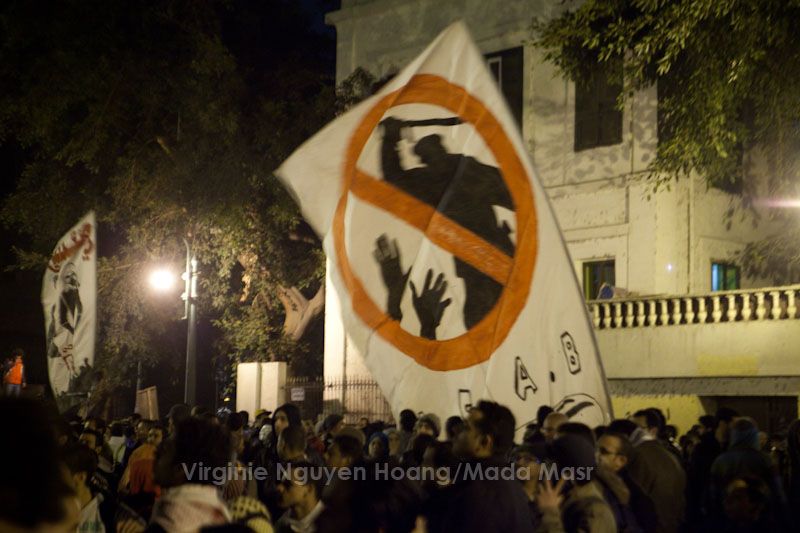
Cairo Criminal Court sentenced 43 defendants to life in prison on Tuesday, with nine minors receiving ten years imprisonment and one defendant sentenced to five years in prison, on charges of illegal assembly, violence and damaging public and private property, in a case popularly known as the “Cabinet clashes” trial that dates back to 2011.
Ninety two defendants in the case were acquitted of all charges.
The same court, headed by judge Nagy Shehata, previously sentenced 230 people to life in prison in the same case in February 2015, with 39 minors sentenced to ten years imprisonment. All defendants were sentenced in absentia, with the exception of activist Ahmed Douma, who was present during the trial as he was serving another sentence at the time.
Douma is currently serving a life sentence in the Cabinet clashes case. The Court of Cassation has scheduled a hearing on October 12 to look into an appeal of his sentence in this case.
The Cabinet clashes trial dates back to December 2011, when protesters clashed with military forces dispersing a demonstration in front of the Cabinet building close to Tahrir Square, leaving 18 people dead and dozens injured.
During the last two years, police arrested 145 of the defendants (out of a total of 269) who received sentences in absentia, granting them a retrial, according to a report published by the Arab Network for Human Rights Information (ANHRI).
Lawyer Osama al-Mahdy, who represents the defendants, previously told Mada Masr that relatives of those killed and injured in the clashes submitted complaints to the prosecution, after which their testimonies were heard as victims in the case.
However, investigative judges looking into the case referred it to criminal court in May 2012, charging 269 people with illegal assembly, the acquisition of arms, assault on police and military forces, the burning of the scientific institute and the vandalism of other government buildings, including the Cabinet and Parliament buildings.
Prosecution did not investigate any of the complaints filed against military and police personnel allegedly involved in the death of protesters, the lawyer explained. The African Committee for Human and Peoples Right accepted a complaint filed by the families of victims in June 2014, in order to refer security forces to trial.
Bahaa Ezzelarab, a legal adviser at the Egyptian Initiative for Personal Rights' North African Litigation Initiative, told Mada Masr at the time that the committee’s decisions are not legally binding. “But they are important to bring back the case to light. These verdicts also enforce the state’s responsibility for attacks against citizens, not just the direct responsibility of the individual police or military personnel involved,” he explained.

أخبار ذات صلة

Activist Ahmed Douma handed 15-year prison sentence, LE6 million fine in Cabinet clashes retrial
Activist Ahmed Douma was sentenced to 15 years in prison and handed a LE6 million fine on Wednesday

Family of imprisoned activist Ahmed Douma reveals details of assault
On Thursday, imprisoned activist Ahmed Douma’s family learned of the details of his assault, which took place in a court holding area…
Court annuls activist Douma’s life sentence and orders retrial, lawyers begin release procedures
The Court of Cassation annulled a life sentence handed to imprisoned activist Ahmed Douma in a case related to Cabinet clashes in…
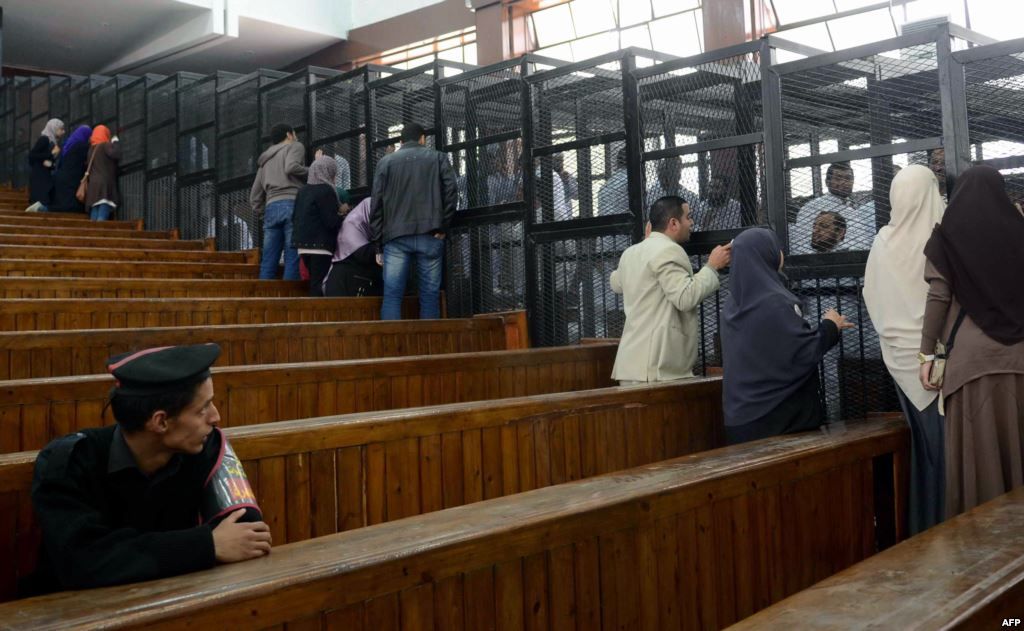
State Council rejects amendment protecting lawyers from being arrested, detained in court
On Monday, the State Council rejected amendments requested by the Lawyers Syndicate regarding a law governing their practice, including a proposed article that prohibits the searching, arrest or detention of lawyers…
Your support is the only way to ensure independent, progressive journalism survives.
You have a right to access accurate information, be stimulated by innovative and nuanced reporting, and be moved by compelling storytelling. Subscribe now to become part of the growing community of members who help us maintain our editorial independence.
Join us