
Coptic church issues statement defending Pope’s visit to Israel
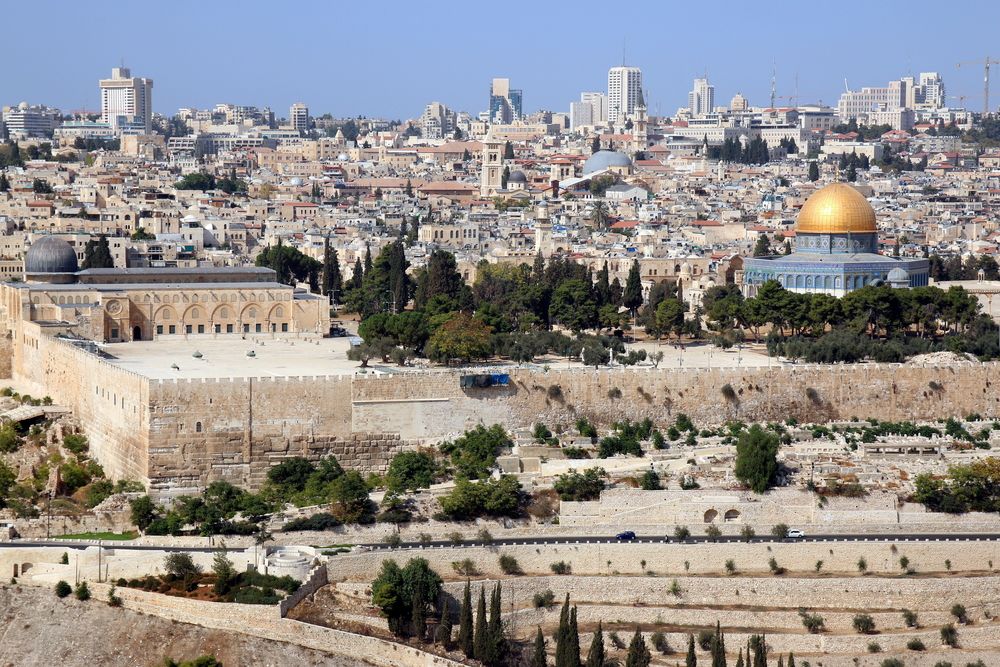
The Coptic church released a statement on Sunday defending Pope Tawadros II’s visit to Jerusalem to attend the funeral of Father Ibrahim, the Bishop of Jerusalem, the privately owned Al-Masry Al-Youm newspaper reported.
Neither the pope or his entourage obtained an Israeli visa, nor did they meet with any Israeli officials, according to the statement.
The Coptic church stressed the visit was not a political statement, but was merely a religious obligation to attend the Bishop of Jerusalem’s funeral after he passed away on Wednesday.
The visit stirred controversy, as the church banned followers from going to Jerusalem during Israeli occupation under the late Pope Shenouda III. The church reiterated its position has not changed in Sunday’s statement.
Pope Tawadros II’s visit marks the first time a Coptic Pope has visited Jerusalem since 1967.
The Pope turned down a visit by Palestinian President Mahmoud Abbas to visit Ramallah on Saturday, stating that he would not set foot on Palestinian land or in Jerusalem as a “visitor” until he was accompanied by the grand imam of Al-Azhar.
The pope did not meet with Israeli or Palestinian officials, because the church does not want to normalize the current state of affairs, according to the statement.
Mina Thabet, a researcher on minorities and religious freedoms at the Egyptian Commission for Rights and Freedoms, told Mada Masr that he does not think the Pope’s visit to Israel constitutes normalization.
“It was for a set reason because the Bishop of Jerusalem died. We need a new understanding of the word ‘normalization’, we need to put limits on what the word means by 2015 standards, not 1970 or 1960,” he said.
Thabet suggests Shenouda’s decision to ban Coptic followers from visiting Israel was a political decision made under circumstances that no longer apply today, in which the state of Israel has been widely normalized by many international bodies, including Egypt’s government through gas deals.
He maintains it “now represents a violation of the right of Christians to visit their holy land and places of worship. This cannot be considered normalization. We need a 2015 update.”

أخبار ذات صلة
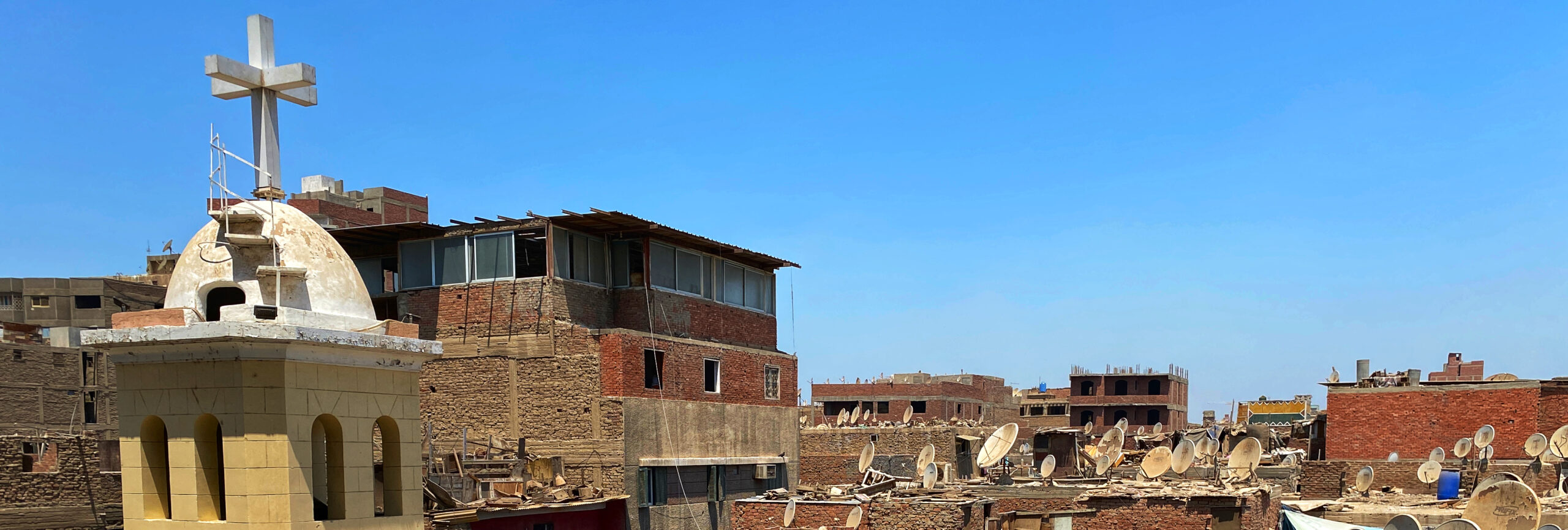
The fire you cannot put out: Imbaba’s churches and the threats they can’t extinguish
There are 11 churches total in Imbaba, of which only five have obtained liscenses
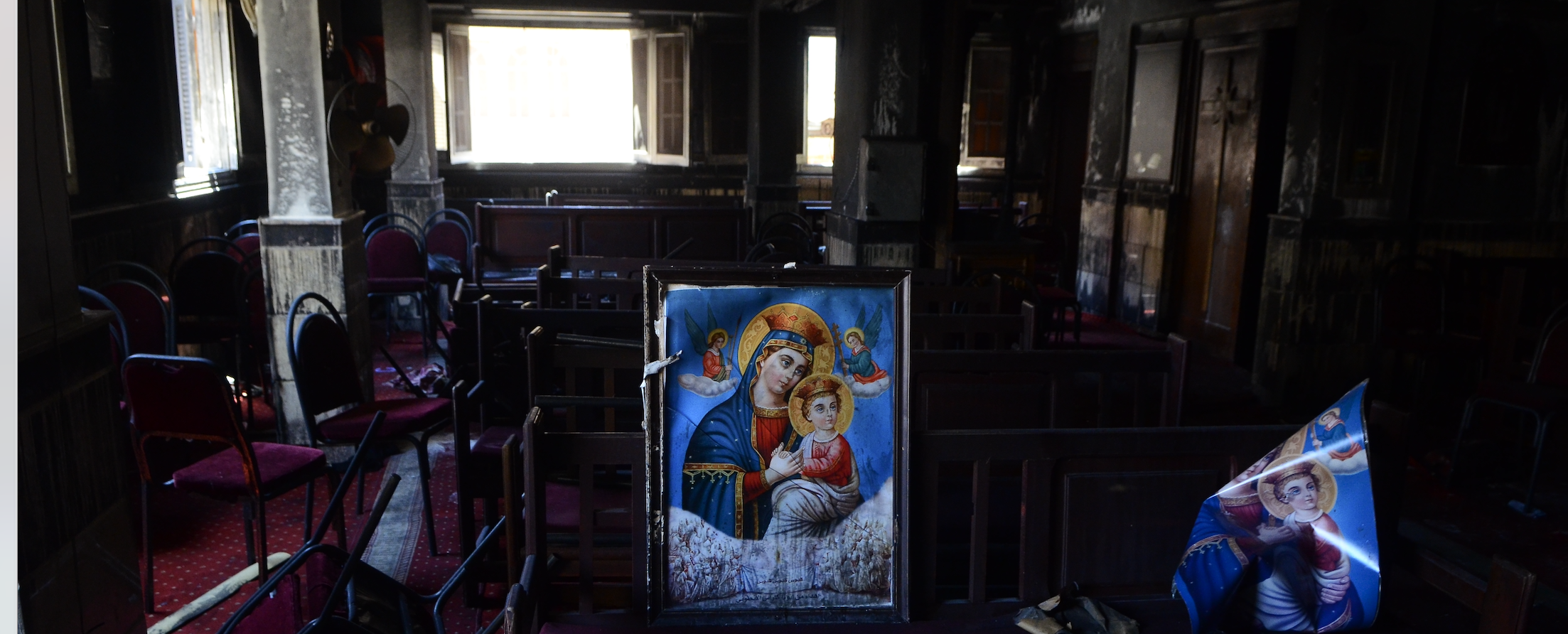
After 41 killed at Abu Sefein, ‘systematic’ reasons behind the church’s vulnerability to fire, experts say
Officials said the fire started as a result of an electrical fault
Protests, arrests in Minya village point to longstanding discriminatory policies over church permits
Over two days in late January, dozens of Coptic Christian residents of the village of Ezbet Farag Allah in Minya staged a demonstration in front of the Diocese of Samalut…
Justice served? The speedy conviction and execution of a monk for murder
Tawadros' trial has been characterized by rights groups as “grossly unfair"
Your support is the only way to ensure independent, progressive journalism survives.
You have a right to access accurate information, be stimulated by innovative and nuanced reporting, and be moved by compelling storytelling. Subscribe now to become part of the growing community of members who help us maintain our editorial independence.
Join us