
Constitutional Court opens door for dual national parliamentary candidates
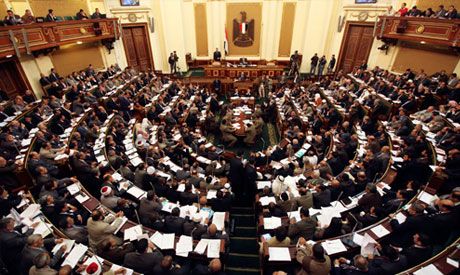
The Constitutional Court deemed a ban on dual nationals running for parliamentary elections unconstitutional on Saturday, state-owned Al-Ahram reported.
Article 8 of the Electoral Law states that a candidate for parliamentary elections must be Egyptian and have an Egyptian father, and cannot have dual citizenship. But Article 102 of the Constitution dictates that candidates must be of Egyptian citizenship without barring dual citizens from running.
The court thus ruled that Article 8 is unconstitutional.
The latest ruling means further delay in parliamentary elections, pending the amendment of this article.
Earlier this month, the Supreme Constitutional Court (SCC) issued a verdict deeming the Constituency Division Law unconstitutional, effectively postponing parliamentary elections that were scheduled to take place on March 22.
The verdict deems Article 3 in Presidential Decree Law 202 for 2014, which deals with the division of electoral districts, unconstitutional. The SCC concluded that, as it stands, this article fails to ensure equal representation for voters in different constituencies.
Postponing elections further delays the last step in the current regime’s roadmap, following its rise to power in July 2013. The Constitution, which passed in January 2014, had stipulated that a parliament should be elected within six months of the new constitution.
The regime found a way around this deadline by forming the Supreme Elections Committee days before the six months ended. However, the process has stretched on for an additional seven months since then.

أخبار ذات صلة

Who controls Egypt’s religious institutions? How the top of the executive, security apparatus loom over the 3 institutional houses of Islam
Objection to the potential selling of endowments has primarily come from Al-Azhar.
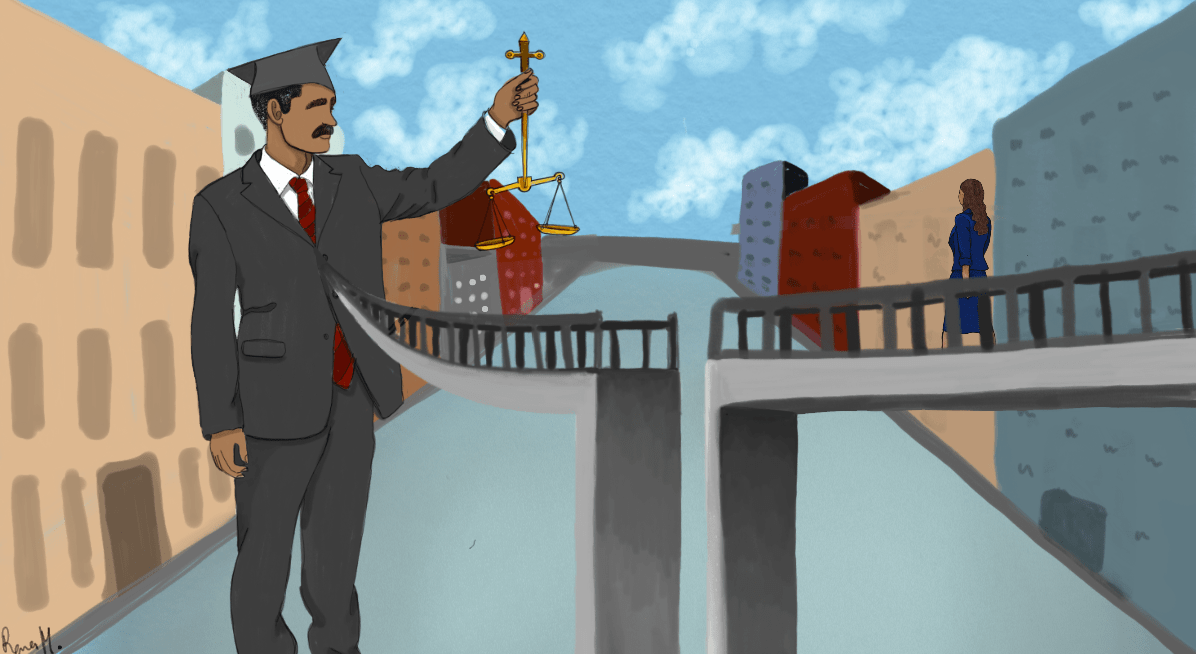
How the justice system shuts women out
Among the 335 new appointees, all graduates of public law schools, there was not a single woman.
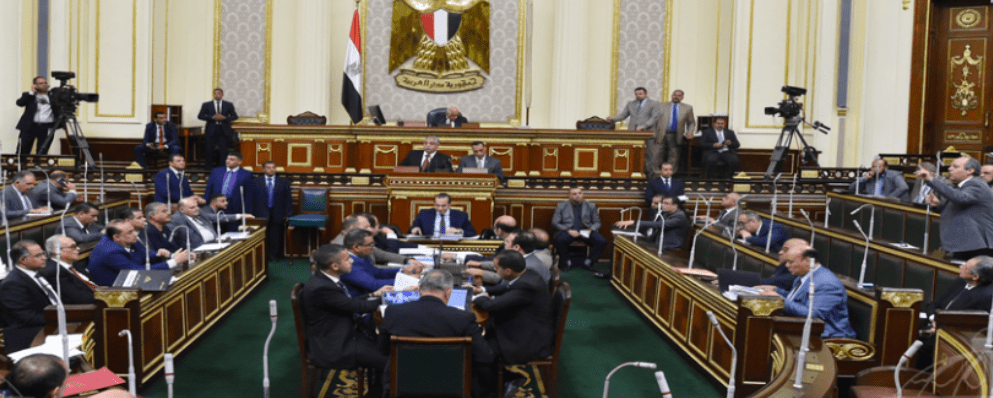
Sisi seems to reverse position on local council elections, speaker blames ‘deep state’ for delay of bill in Parliament
The delay may point to a power struggle between security and intelligence agencies, sources say.
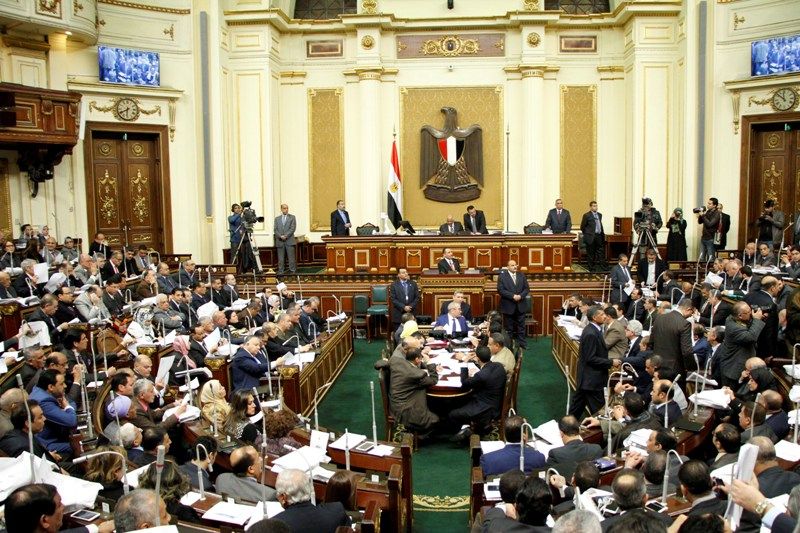
A presidential directive to freeze Parliament
New parliamentary formation to be engineered by the National Security Agency
Your support is the only way to ensure independent, progressive journalism survives.
You have a right to access accurate information, be stimulated by innovative and nuanced reporting, and be moved by compelling storytelling. Subscribe now to become part of the growing community of members who help us maintain our editorial independence.
Join us