
Cash and cooperation: Chinese President Xi Jinping arrives in Egypt
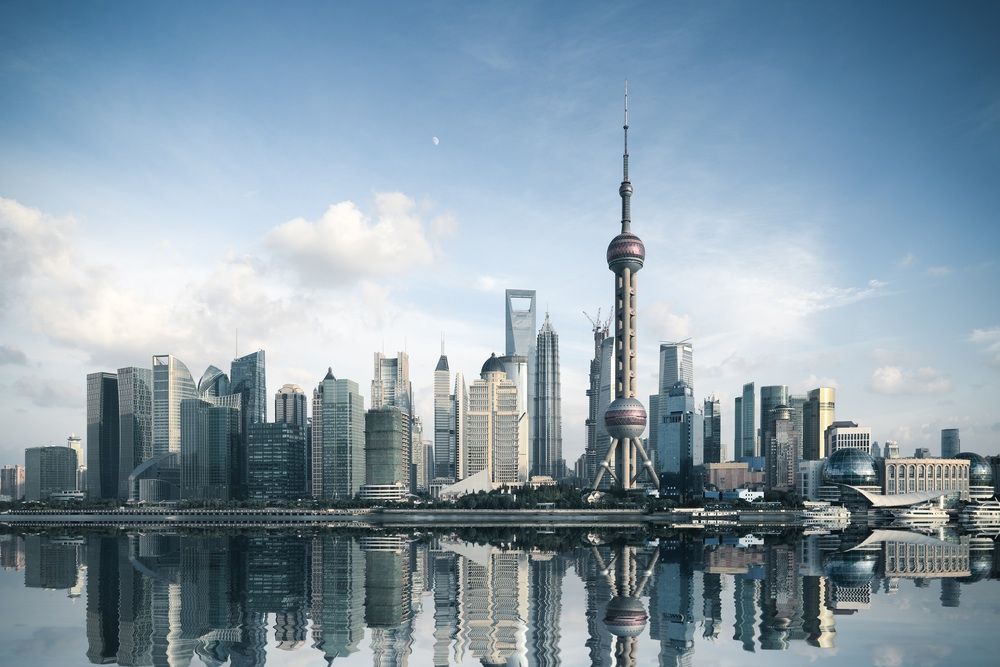
Chinese President Xi Jinping arrived in Cairo on Wednesday for a state visit forecast to strengthen Sino-Egyptian relations. Egypt is also anticipating receiving more than US$1 billion in aid from China, as well as progress on deals that will see Chinese banks finance billions worth of infrastructure and development projects.
Xi's visit to Egypt — the second leg of a five-day tour with stops in Saudi Arabia and Iran — comes in the context of a strategic partnership agreement signed by Xi and Egyptian President Abdel Fattah al-Sisi in Beijing in December 2014. The agreement calls for cooperation in political, economic, military, cultural and scientific cooperation.
The visit is also expected to advance a June 2015 framework agreement that calls for the implementation of 15 projects worth US $10 billion, to be funded by Chinese banks and built at least in part by Chinese firms. These projects include the establishment of three power plants, a rail link between Cairo and 10th of Ramadan City, a multi-purpose station at the Alexandria port, glass and leather factories and the electrification of the Alexandria to Abu-Qir railway link.
China will also reportedly be providing the Central Bank and Egypt’s state-owned banks with at least US$1.7 billion in financing, although details about the specifics of those deals remain vague. Reports in local media indicate that China will provide the CBE with US$1 billion, but are unclear about whether the funds will come in the form of a deposit or a budgetary support loan. Reports also indicate that Banque Misr will receive US$100 million in financing, while the National Bank of Egypt will be provided with US$500-$700 million.
According to Egypt’s trade minister, Sisi will host a state dinner Wednesday night, before launching talks and signing agreements Thursday.
While these agreements will provide Egypt with economic support, it is forecast that China will benefit in turn by gaining a foothold in the African and Mediterranean region. This could be of vital importance to China’s Maritime New Silk Road strategy.
Since the 2011 revolution, Egypt has been kept afloat by regular infusions of cash and commodities from its allies in the Gulf — Qatar was a key funder during Mohamed Morsi’s presidency, while Saudi Arabia and other GCC countries have become increasingly important since Morsi was overthrown in 2013. More recently, Egypt has been looking to China for support, alongside multi-lateral funders like the World Bank and African Development bank.
Xi's visit to Egypt follows two state visits to China by President Sisi. The first visit in December 2014 led to an increase in economic ties through the signing of 25 bilateral agreements for cooperation in several areas including energy, transportation and electricity. The second visit in September 2015 resulted in a package including LE50 billion in deals for energy projects, small business loans and a memorandum of understanding for the construction of Egypt’s new capital city.
TEDA, the Chinese state-owned company that operates an economic zone near Ain Sokhna announced a US$230 million expansion project on Sunday 17 January. According to state news agency MENA, the project will be the first carried out under the new law governing investments in the Suez Canal zone.
During his visit to Egypt, the Chinese president is scheduled to attend the launching of the second phase of this project.
Additionally, the two countries have agreed to build an opera house in Luxor as a symbol for the strong relations linking both countries.
Earlier this month, Minister of Housing Mostafa Madbouly announced that an unnamed Chinese bank will provide a US$1 billion soft loan to finance a sanitation project in 260 villages in Menofia and Gharbeia governorates. According to a memorandum of understanding signed January 11, the project, which aims to alleviate contamination of the Rosetta Branch of the Nile River, will be implemented by a Chinese contractor.
Meanwhile, Minister of International Cooperation Sahar Nasr was in Beijing last week to the inaugural meeting of the Asian Infrastructure Investment Bank, a China-led rival to global funds like the World Bank. Egypt was one of 57 countries approved as a prospective founding member of the AIIB.
The AIIB is expected to loan US$10-15 billion worldwide over the next five to six years, focusing on five core sectors of energy, transport, urban development, rural development and logistics. According to Nasr, Egypt is among the countries expected to benefit from this financing. She added in a statement to MENA that diversifying funding sources is among the top priorities of the Ministry as it seeks support for major national projects.

أخبار ذات صلة
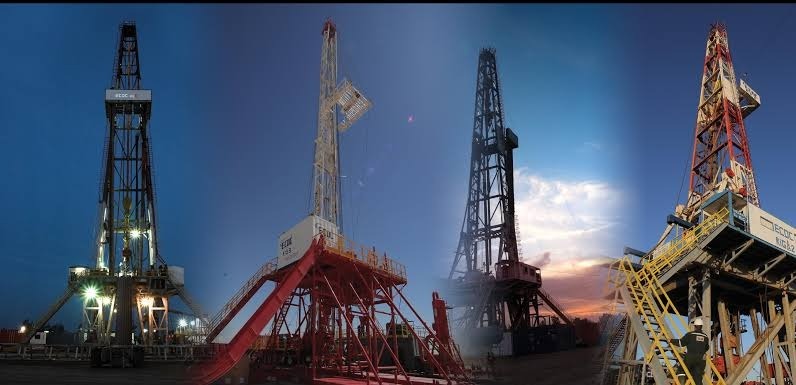
Strike at Egyptian-Chinese drilling company over salaries, bonuses
The source said ECDC management has refused to raise wages since 2023
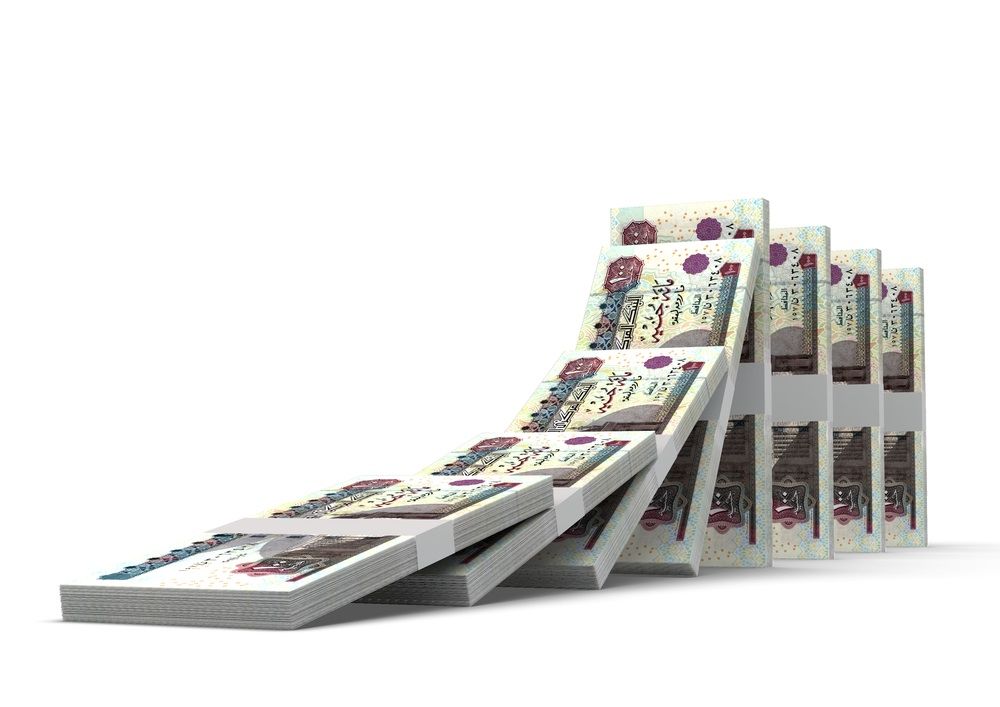
Egypt prepares to obtain $500 mn in financing from China as it seeks to close funding gap
The news comes as Egypt tries to close its funding gap and finalize the new IMF loan
Egypt’s new rights image met with skepticism in DC
'We did not come to whitewash the face of the Egyptian government'
Coronavirus quarantine in Marsa Matrouh for China evacuees, sources say doctors, nurses tricked into the assignment
A medical source said the ministry had assured doctors the assignment was unrelated to coronavirus
Your support is the only way to ensure independent, progressive journalism survives.
You have a right to access accurate information, be stimulated by innovative and nuanced reporting, and be moved by compelling storytelling. Subscribe now to become part of the growing community of members who help us maintain our editorial independence.
Join us