
Cairo authorities demolish Falaky mosque dome, minaret amid historic cemetery removals
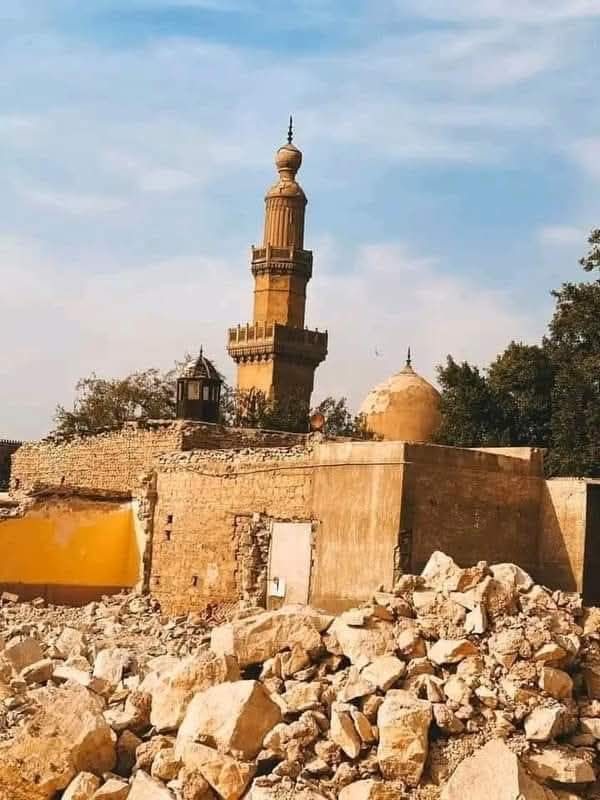
In the early hours of Wednesday morning, governorate authorities demolished the dome and minaret of Mahmoud Pasha al-Falaky Mosque, three informed sources told Mada Masr.
The monument to the 19th Century thinker and geographer, once laid to rest in the Imam al-Shafei cemetery, has joined the many tombs in the historic Old Cairo burial grounds that have been slowly eroded in recent years by state-led infrastructure development reshaping the face of the Egyptian capital.
One of the sources, a researcher who documents Cairo’s historic burial grounds, told Mada Masr that an Antiquities Ministry official responsible for the area informed them the dome had been dismantled.
The researcher expressed concern that the “dismantling” may have caused damage to the dome and minaret. “Bulldozers carried out the removal. There were no scaffolds around the dome, so how could it have been dismantled and relocated in a scientific manner?” they said.
The Imam al-Shafei dome and the Pasha mausoleum — where members of the Mohamed Ali royal dynasty are buried — is one of several burial plots in the Old Cairo area that have been subjected to periodic removal operations in recent years, despite their registered heritage status.
A caretaker responsible for the area, who also confirmed the demolition of the mosque’s dome and minaret to Mada Masr, said that a large committee from the governorate visited immediately after Eid al-Fitr. “They marked many tombs, homes, workshops and cafes for removal and told us, ‘You’ll be relocated and compensated,’” the guard said.
Owners of burial plots would be granted replacement plots in the Robaiky cemetery area in 10th of Ramadan City, while caretakers and cemetery guards were instructed to collect paperwork from the site and inform plot-owners of the development, the caretaker recalled.
In parallel, Cairo governorate authorities are also conducting demolitions in a new section of the Bab al-Nasr cemetery — the oldest community burial ground in the city, located opposite Moezz Street in historic Cairo.
People with families laid to rest in plots at Bab al-Nasr, often referred to as the cemetery of the “poor, harafish, and Sufis,” will have to travel further than the families of the dead relocated from the more upscale burial plots at the Imam al-Shafei “cemetery of the pashas,” as well as the Sayyida Nafisa and Sidi Galal cemeteries.
Mahmoud Gamal, an heir to a family burial site in Bab al-Nasr, said the local cemetery caretaker informed him and his cousins that they would need to move their relatives’ remains to new burial plots in the Geneifa area off Suez Road — more than an hour and a half by car from the Robaiky cemeteries, which he learned were reserved for families relocated from Imam al-Shafei, Sayyida Nafisa and Sidi Galal.
The governorate removed an initial 130 square meters of the Bab al-Nasr cemetery last year April to construct a parking garage meant to serve the guests of the Bohra sect’s hotel currently under construction across the Hakim bi-Amr Allah Mosque — a move that drew criticism from archaeologists.
The governorate had previously assured residents and graveyard owners that no further demolitions would take place beyond the initial area cleared for the garage.
But now, a 120 square meter area along Banhawy Street, which runs parallel to the Moezz city wall, is being subject to removal operations.
Gamal is among many burial ground owners — mostly long-time residents of the Gamaleya and Atuf neighborhoods — who have recently been informed by cemetery guards that they must relocate the remains of their deceased relatives to alternative burial sites.
The Bab al-Nasr cemetery has been one of Cairo’s main historical burial grounds since the city’s establishment in the 10th Century AD, according to Egyptian historian Sally Soliman.
Bab al-Nasr served as the main burial site for residents of Old Cairo, among them both Cairenes and people from other governorates who settled in Cairo and established family cemeteries there under the names of their villages in Upper and Lower Egypt.
The cemetery also holds significance for descendants of Arab and foreign migrants who lived in Cairo, such as the Levantine burial grounds and others.
After a wave of grief and anger prompted by the state’s removal operations over recent years, authorities have begun to take measures to limit the public response to the urban development operations.
Since late February, security forces have been enforcing orders to prohibit researchers and other heritage enthusiasts from photographing or even walking through the area, according to the researcher who documents Cairo’s historic burial grounds and confirmed to Mada Masr that the Falaky Mosque was demolished last week.
Demolition work typically takes place after midnight, they said, with cemetery guards instructed not to speak to journalists or researchers under the threat of being implicated in cases of “spreading rumors,” the researcher added.
News of the demolition circulated widely nonetheless, prompting reactions from heritage enthusiasts and archaeologists.
The researcher said several other historic burial grounds and mausoleums are slated for demolition, including those of Badrawy Pasha, Sharara Pasha, Abdel Rahim Sabry Pasha — father of Queen Nazli Sabri.
Also among the sites slated for demolition are the graves of Ahmed Taymour Pasha; Ali Bek al-Kabir, which is registered as a monument; Sayyida Nafisa al-Bayda, also registered; Shazdil Qadin, wife of Abbas Helmy I; Khalil Agha; the freed slaves of Khalil Agha; Osman Rifqi, Minister of War; and Selahdar Pasha.
The heir to the heritage burial site who spoke anonymously about the Falaky mosque said that homes, cafes and workshops in the area are also being targeted.
Soliman has stated that there are layers upon layers of history at Bab al-Nasr cemetery, emphasizing that it should be a site for restoration rather than relentless demolitions.

أخبار ذات صلة

Police evict residents as demolitions resume in Arish despite unfulfilled govt promise of alternative housing
Police units ordered residents to evacuate as the North Sinai Governorate began to demolish homes on
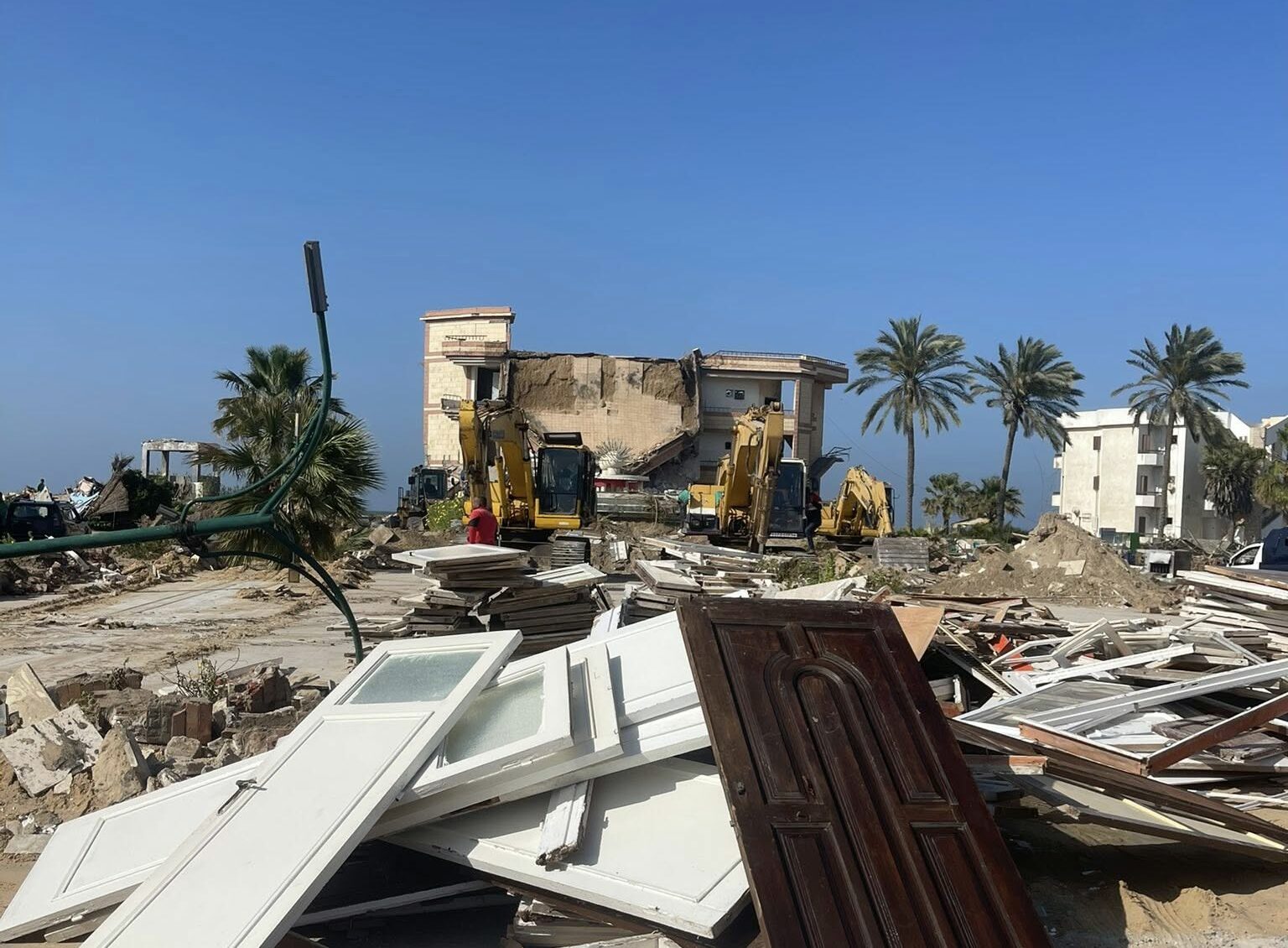
Port Said governorate demolishes summer compound despite legal battle with residents
Governorate authorities began demolishing people’s villas and the local facilities that serve the Fardous tourist village — a beach compound in west…
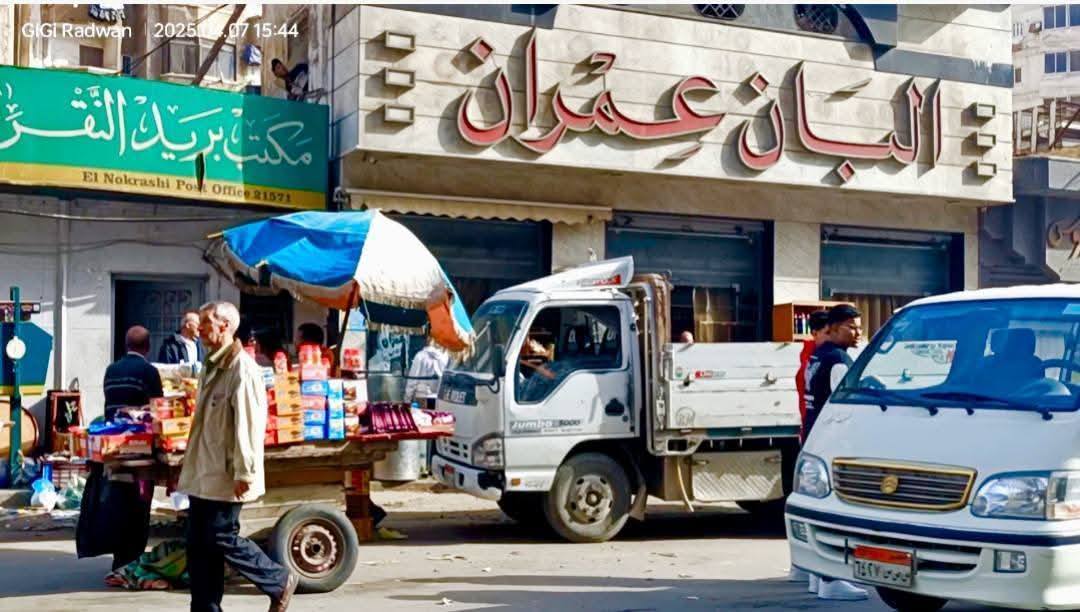
Alexandria shops demolished to make way for metro, displacing decades-old businesses
Early on Tuesday morning, authorities began demolishing shops at the intersection of the railway and tram lines in the Victoria neighborhood —…

Police detain 7 residents of Warraq island, assaults residents protesting against island’s siege
Security forces began arresting people at the Tuesday night protest
Your support is the only way to ensure independent, progressive journalism survives.
You have a right to access accurate information, be stimulated by innovative and nuanced reporting, and be moved by compelling storytelling. Subscribe now to become part of the growing community of members who help us maintain our editorial independence.
Join us