
Cabinet targets deficit of 9.9 percent in draft budget
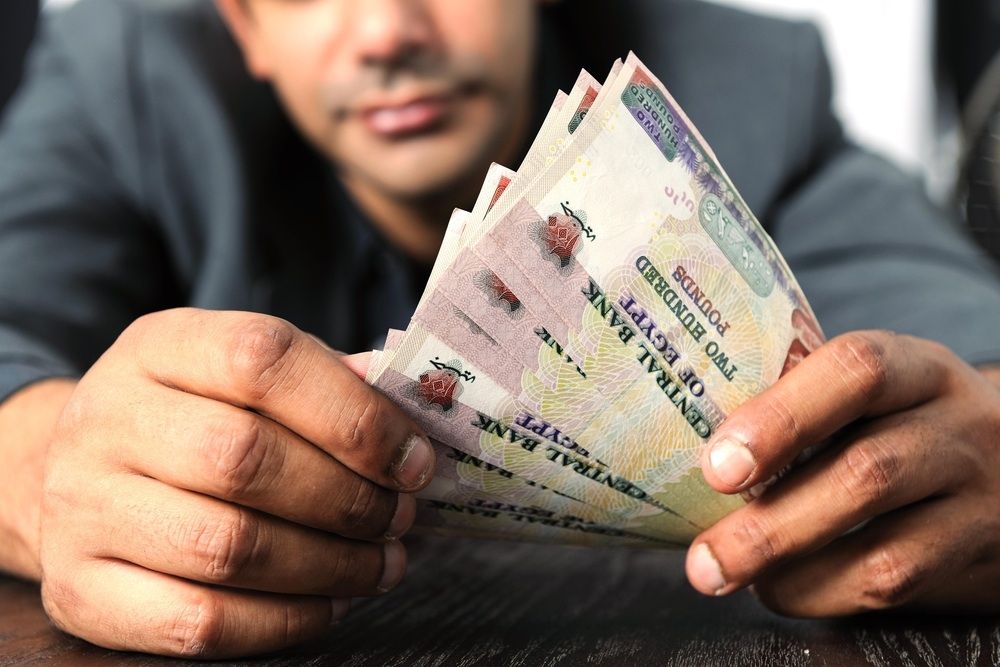
The draft budget finalized by the Cabinet this week projects a deficit of 9.9 percent of GDP, or around LE281 billion for fiscal year 2015/2016, according to local news reports, a modest decrease compared to the 10.8 percent for the fiscal year ending June 30.
Now awaiting President Abdel Fattah al-Sisi’s approval, the draft budget targets a 5 percent growth rate and aims to decrease unemployment by 1 percent.
The budget proposes perhaps overly ambitious goals, according to Sherif Fouda of Cairo-based economic and financial consultancy Dcode EFC. “It prioritizes the short-term political and social agenda to the medium and long-term path of economic growth and fiscal sustainability,” he says. The significant decrease in the deficit is one example.
The proposed budget contains a significant increase in spending on social welfare programs, a total of LE431 billion, equaling around 49 percent of total public expenditure, according to Reuters, which is a 12 percent increase on the current fiscal year.
Some view this as an attempt to assuage popular concern over decreasing subsidies elsewhere, namely after last year’s budget cut spending on energy subsidies by about LE40 billion. The budget factors in LE38.4 billion for bread and commodities subsidies.
Wael Ziada, head of Research at EFG Hermes, says that in a country like Egypt that is bound by tight fiscal parameters, the proposed budget could not be better given the available resources of the state.
Projected public revenues are penciled in at LE612 billion, which is a sharp 26 percent increase over the current fiscal year, while projected expenditure is LE885 billion, up 20 percent, Reuters reports.
The draft budget includes an expected LE2.2 billion in grants, which has more or less been the lifeline of Egypt’s economy and mainly provided by Gulf allies. At the economic conference this past March, officials from Saudi Arabia, Kuwait, the United Arab Emirates and Oman pledged a staggering US$12.5 billion to Egypt, which mirrors the financial support that they gave Egypt in the aftermath of former President Mohamed Morsi’s ouster in 2013, which also totaled around $12 billion.
Projected revenues from taxes in the current draft budget stood at LE422 billion, while spending on public investments stood at LE75 billion, according to Reuters.
Considering the proposed budget, London-based economic research consultancy Capital Economics expressed concern in its Egypt update on June 24, namely that the government will fail to follow through with announced policies as they have in the past. A recent retreat from a smart card program aimed at monitoring the sale of subsidized fuel, traditionally perceived as inefficient expenditure, reflects a halfhearted commitment to substantial fiscal consolidation. It also reflects difficulty in moving forward with socially sensitive reforms. However, it is still expected to be implemented this summer.
“Egypt’s public finances are gradually improving, but the recent watering down of tax and spending measures combined with the relatively unambitious targets set out in a recent draft budget has raised concerns about the government’s commitment to fiscal reform,” Capital Economics said in its report.
Earlier this week, the World Bank released its Egypt Economic Monitor, a comprehensive report examining economic policies and developments over the past six months. In it, the World Bank largely commends the current course of action, reporting moderate improvement in the economy chiefly through sustained growth, continued decline of unemployment and an increase in foreign-income earnings all while avoiding serious inflation.
The report punctuates a half-year period of 5.6 percent economic growth — more than double the first half of 2014’s meager 1.2 percent — and states that Egypt has observed recovery in two key industries, manufacturing and tourism.
Egypt has also seen increased consumption in the private sector, accelerated by subsidized food prices, increased wages for civil servants and general economic health, according to the World Bank.
The World Bank praises a move to renege on planned tax increases, as well as structural tax reform, that it says has simplified Egypt’s tax system, making it more appealing to investors. An example of this is the May suspension of a 10 percent capital gains tax.
Critics, meanwhile, have lamented the government’s backtracking on these very reforms that would affect wealthier citizens who can afford it, as opposed to moves they see as affecting the poorest segments of society the most.
Although inflation is often an unintended consequence of economic growth, monetary policy and the fortuitously timed plunge in oil prices has allowed Egypt’s leaders to mitigate this and keep inflation relatively low at 8.4 percent, says the World Bank report.
The report was less positive when discussing the labor market where, although lower than before, unemployment rates remain problematic. Official statistics place unemployment at 12.9 percent in the final quarter of 2014, which remains a full 4 percentage points above pre-2011 levels. This falls heavily on those between the ages of 15 and 29 years old who make 63 percent of the unemployed.
Sherif Fouda says this “loss of momentum” in fiscal consolidation was reflected in the proposed budget and he worries that the ability of the cabinet to continue such reform is threatened by uneven efforts by individual ministers.
“Some ministries, like the Electricity, Petroleum and Housing Ministries, are pressing ahead with some very important reforms and projects, while the performance of many other ministries is lagging,” he says.
أخبار ذات صلة
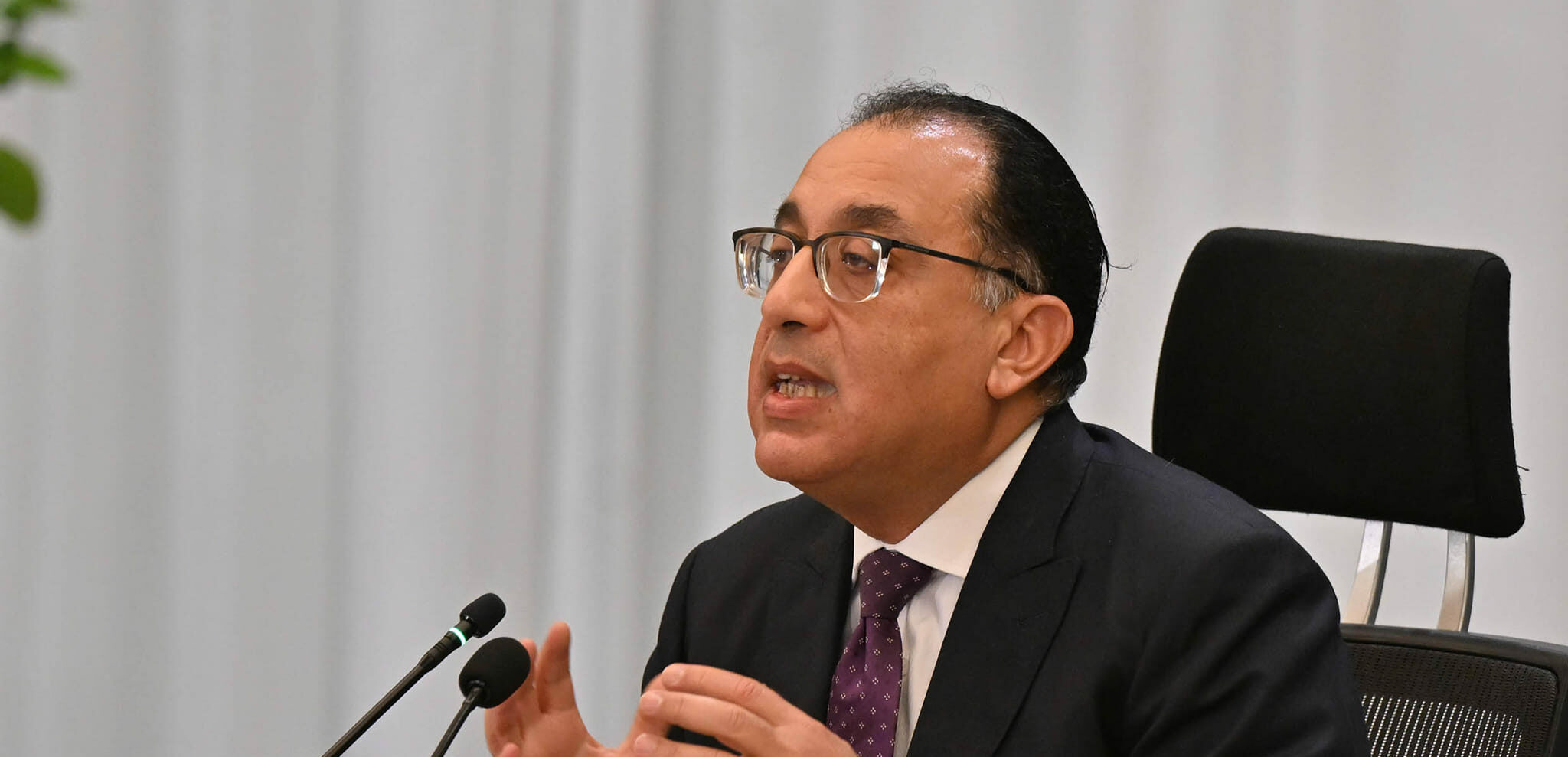
Draft budget: 65% of total expenditure allocated for debt service, LE3.5 trillion in new borrowing
Egypt’s new draft budget, which Mada Masr reviewed, dedicates over 65 percent of total government spending in the coming fiscal year to…
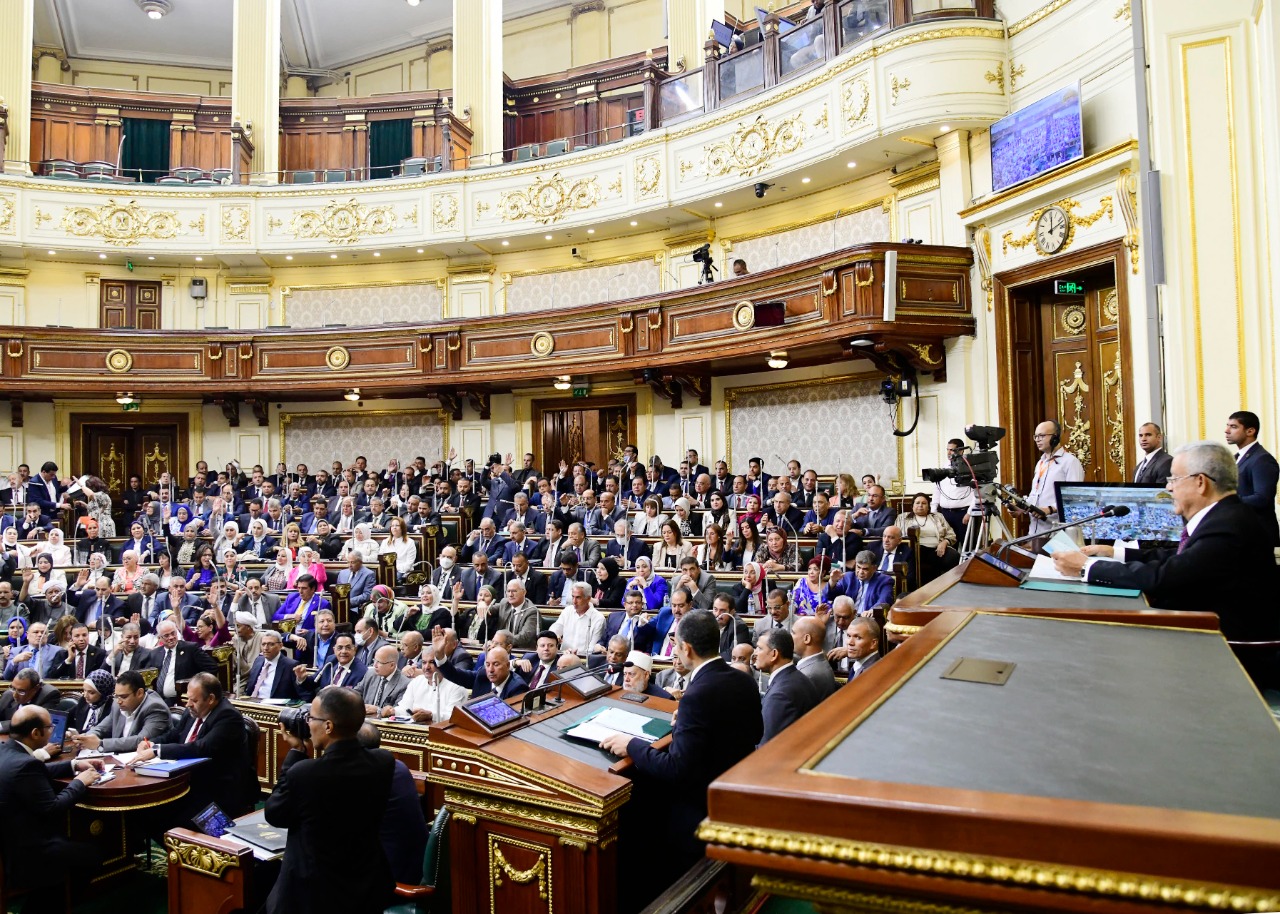
5 highlights from the new budget: More debt, low social spending, huge increase on export support
Some MPs voted against the budget due to high borrowing costs and low social spending
Source: Saudi company submits lowball offer for state-owned Heliopolis Housing directly to minister
The government's $2 billion financing target looms in under four weeks.
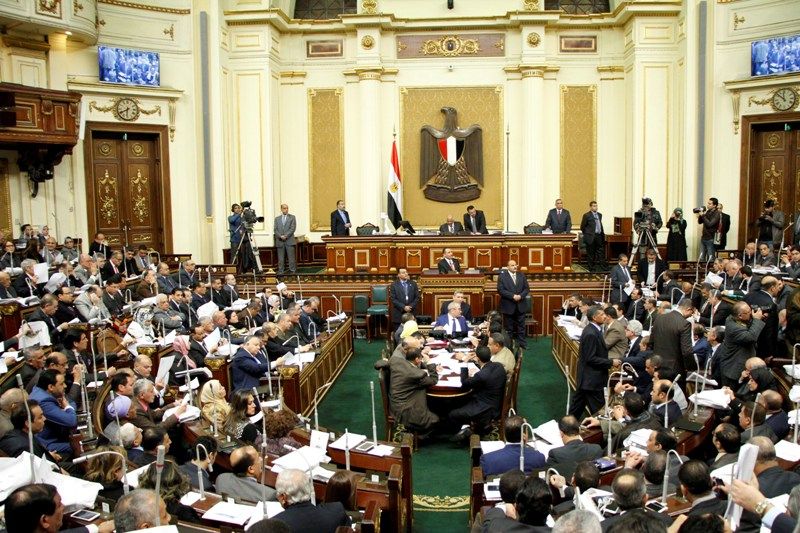
House passes 2022/23 state budget amid critique of earmarks for debt servicing, lavish allowances, megaprojects
The government's financial statement reveals a massive and historic deficit
Your support is the only way to ensure independent, progressive journalism survives.
You have a right to access accurate information, be stimulated by innovative and nuanced reporting, and be moved by compelling storytelling. Subscribe now to become part of the growing community of members who help us maintain our editorial independence.
Join us