
Cabinet approves tariff law to encourage renewable energy investments
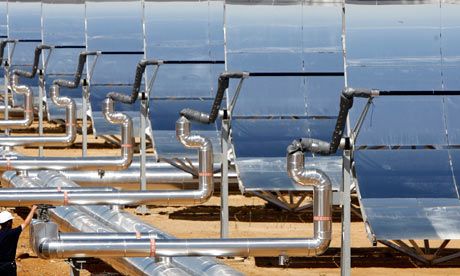
Prime Minister Ibrahim Mehleb has approved the Ministry of Electricity and Renewable Energy’s proposal to set a tariff for buying energy from the private sector, in a bid to encourage them to enter the renewable energy industry, the state-owned Al-Ahram newspaper reported on Tuesday.
The ministry has purportedly received local and international offers to build wind and solar power stations with capacities reaching 10,000 megawatts.
The suggested tariff for 1 kilowatt of wind energy is LE0.85, while 1 kilowatt of solar energy would cost LE1.04, Al-Ahram reported. The prices supposedly allow for a profit margin that would encourage investors to establish new power plants.
With 2,000 to 3,200 kilowatt hours’ worth of solar energy falling on each square meter of soil every year, Egypt is wasting a potentially valuable resource, according to some analysts. Although photovoltaic cells are not produced inside the country, the aluminum and glass needed to assemble solar panels are available in Egypt, as are many of the cables and components necessary to hook a system into the grid.
During the Al-Mal GTM conference held in Cairo on Monday, Investment Minister Ashraf Salman said that Egypt plans to generate 8 gigawatts of solar and wind energy.The government will start by producing solar energy, since it delivers 9 to 12 months faster than other sources, Al-Ahram reported.
The long-awaited feed-in tariff law has been one of the main obstacles hindering the private sector’s inclusion in the national electricity grid. Until now, the absence of government regulation forced renewable energy use into small isolated grids that feed into developmental projects in homes and small villages.
The proposed tariff will not affect electricity prices for citizens, who will continue to pay according to consumption sectors assigned last July, according to Al-Ahram.
Electricity Minister Mohamed Shaker said that Egypt is pushing to expand the use of renewable energy sources to achieve higher efficiency and face increasing demand for power. The new strategy would reduce the country’s dependence on fossil fuel energy, and perhaps calm the fury aroused by the Cabinet’s highly controversial decision to import coal and build new coal-based power plants.

أخبار ذات صلة
How is the government preparing for the summer energy deficit?
Just before daily temperatures in Cairo peaked 30 °C in the middle of winter, the president met with the electricity and renewable…
What’s behind Egypt’s green hydrogen hype?
Many voices caution about the feasibility of establishing a national industry for the product
How will the government freeze on electricity prices for industries affect the renewable energy sector?
Renewable energy companies say the move will significantly harm the sector over the next five years
Government raises electricity tariffs for industrial producers by up to 43%
Significant price increases for commercial outlets and industrial producers' electricity costs
Your support is the only way to ensure independent, progressive journalism survives.
You have a right to access accurate information, be stimulated by innovative and nuanced reporting, and be moved by compelling storytelling. Subscribe now to become part of the growing community of members who help us maintain our editorial independence.
Join us