
British supermarket CEO sentenced to two years by Giza court
The chief executive of UK-based grocery chain Sainsbury’s has been sentenced to two years in prison by a Giza court on charges relating to a 2001 business deal between the grocery chain and a local company.
News of the trial was first published in English by London-based newspaper The Times, and has been widely reported in British media. It comes at a time when Egypt is working hard to attract foreign investment and build a reputation as a business-friendly destination.
The case was raised by controversial Egyptian businessman Amr al-Nasharty, who is facing a series of charges himself for alleged financial improprieties in Egypt.
According to a statement from the grocery chain, the executive in question, Mike Coupe, was not employed by Sainsbury's at the time of the original business deal and has never met Nasharty.
Coupe was originally sentenced in absentia in September 2014. Sainsbury's says it was not notified of the charges ahead of the trial. The company appealed in March, but the court upheld the original verdict, forcing Coupe, along with other company executives, to travel to Egypt to appeal in person at a Sunday hearing. The hearing, however, was postponed until May.
The claim dates back to Sainsbury’s ill-fated foray into the Egyptian market. In 2001, less than two years after it opened its first Sainsbury’s store in Egypt, the company pulled out of the country, selling back its shares in a local joint-venture to its Egyptian partners and writing off more than GBP£110 million in the process.
Sainsbury’s claims that Nasharty attempted to pay of Sainsbury’s with checks that bounced, and that those checks remain in a court file. Nasharty, meanwhile, alleges that Coupe was in Giza on July 15, 2014, and attempted to seize the checks, in violation of Egyptian bankruptcy law.
According to Sainsbury’s, Coupe was in London at the time, performing his normal duties.
ITV news business editor Joel Hills backed up this claim, stating on Twitter that he was with Coupe, in London, on the day in question.
A deal gone bad
In 1999, Sainsbury’s signed a series of deals with local businessmen, including Nasharty, to buy an 80 percent stake in Egyptian retail company Edge.
The first Sainsbury’s store opened in February 2000, and by November of that year, the company was operating with more than 100 stores in the Cairo area, provoking the ire of competing businesses.
Already hit by claims that the company was undercutting competitors in an attempt to gain a monopoly over the Egyptian market, Sainsbury’s was put on a list of firms to boycott in protest of American support of Israel during the second Palestinian Intifada in 2000.
Although the chain is neither American or Israeli, and vehemently denies donating money to Israel, the firm remains on a list of companies targeted by the grassroots Boycott, Divestment and Sanctions campaign, due to its relationship with Israeli agricultural export companies.
In Egypt, Sainsbury’s outlets were vandalized and targeted by protests and vandals, and the chain ran tens of millions in sales losses. In April 2001, the company announced plans to pull out of the market and sell its stake back in the joint venture back to its Egyptian partners, writing off around GBP£111 million in the process.
According to Nasharty, Sainsbury’s departure from the market led to his financial ruin. In a 2009 interview with Youm7, he claimed that Egyptian officials pressured him to borrow money to buy Sainsbury’s out of the joint venture, rather than liquidate the company. Then, he said, banks refused to provide financing to keep the company running, and he was forced to declare bankruptcy in 2004.
Nasharty then spent nearly a decade in London, where he launched a series of unsuccessful legal actions against Sainsbury’s. According to UK-court documents, he was also forced to declare bankruptcy in England, and was evicted from a London apartment after racking up GBP£29,000 of unpaid rent.
In 2012, he reached a settlement with his creditors, the National Bank of Egypt and the Suez Canal Bank, to settle his debts by handing over real estate assets, and handed himself over to Egyptian authorities. Nasharty remains embroiled in a series of criminal cases in which he is accused of financial improprieties relating to the Sainsbury’s deal, as well as other cases.
As this week’s court actions show, Nasharty is not yet willing to put the Sainsbury’s debacle in the past. Sainsbury’s, in turn, refuted the allegations against Coupe, and says it has “taken all necessary steps to appeal against these groundless claims and will continue to do so.”

أخبار ذات صلة
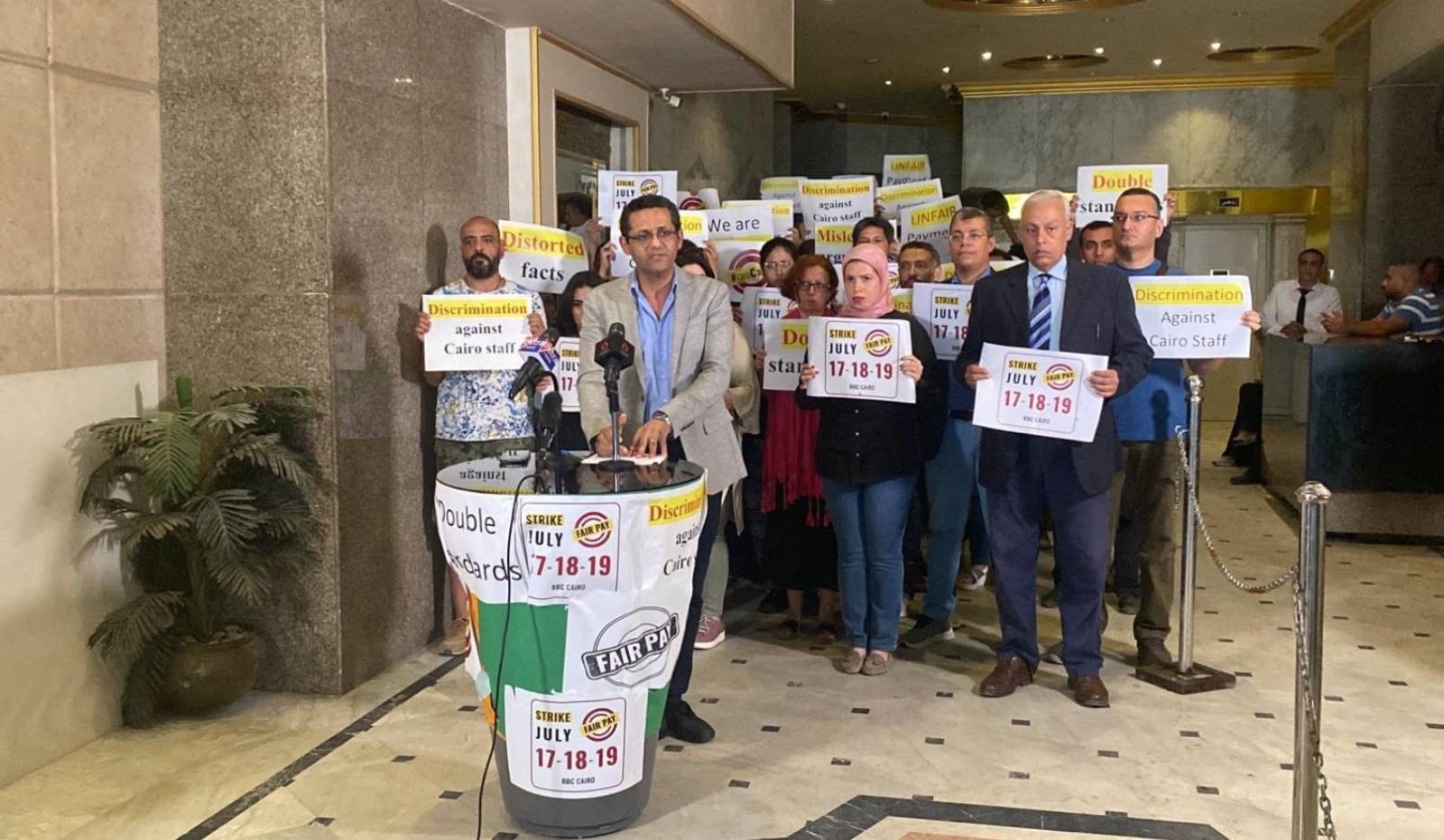
BBC workers in Cairo conclude 2nd strike over low wages with plans to escalate
“They never treat it as a negotiation. They come to ‘explain the situation’ to workers”
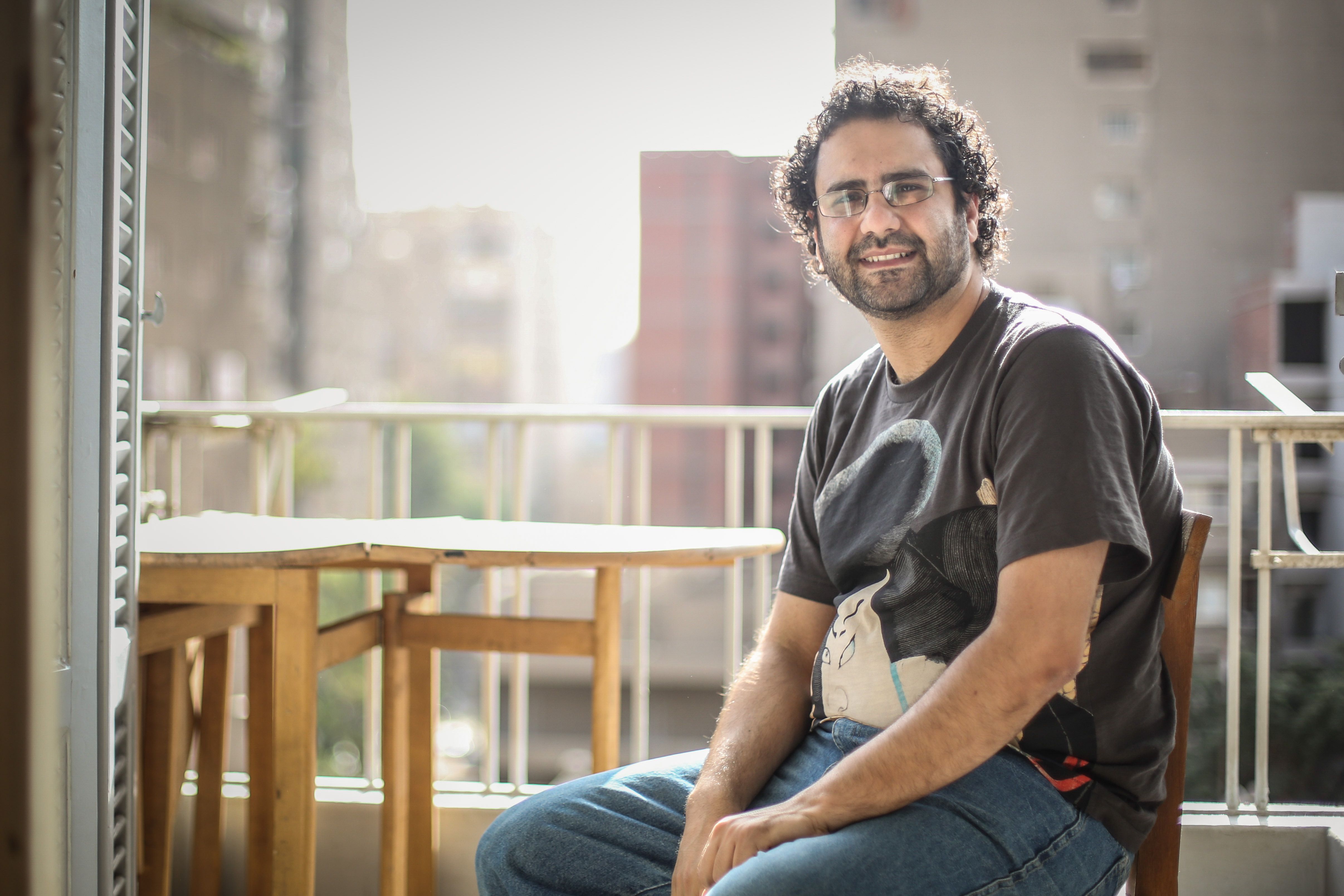
British PM affirms commitment to Abd El Fattah’s release as activist begins water strike
The activist and writer has been in prison for the majority of the past nine years
Egypt-based militant group responds to UK blacklisting: ‘The UK is the terrorist’
The Egypt-based militant group Lewaa al-Thawra dismissed its categorization as a terrorist organization by the United Kingdom as “insignificant” in a statement…
UK lists Hassm and Lewaa al-Thawra as ‘terrorist organizations’
The United Kingdom has listed militant groups Hassm and Lewaa al-Thawra as terrorist organizations
Your support is the only way to ensure independent, progressive journalism survives.
You have a right to access accurate information, be stimulated by innovative and nuanced reporting, and be moved by compelling storytelling. Subscribe now to become part of the growing community of members who help us maintain our editorial independence.
Join us