
BBC Cairo staff suspend 4th strike after management makes negotiable offer

Egyptian nationals working at BBC Cairo’s office called off plans to begin a 15-day strike today, Monday, in favor of negotiations with the newsroom’s London management to try to find a resolution to workers’ demands for an increase in wages, which have remained stagnant since 2020 despite Egypt’s worsening economic crisis.
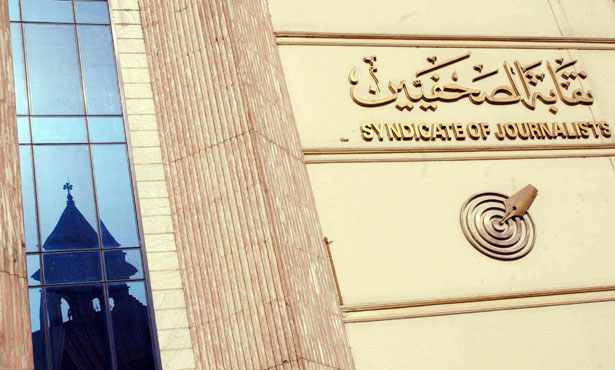
While the BBC has been refusing the workers’ demands for months, on Saturday, the newsroom moved off its position, sending the Egyptian workers and the Journalists Syndicate an offer for increased wages and an invitation to a new round of negotiations, syndicate head Khaled al-Balshy told Mada Masr.
“They sent an offer to the syndicate and to the representatives of the strike, and the representatives saw in the offer a basis from which to begin negotiations and build upon them,” Balshy said, adding that the new round of negotiations, which he will attend, will begin today.
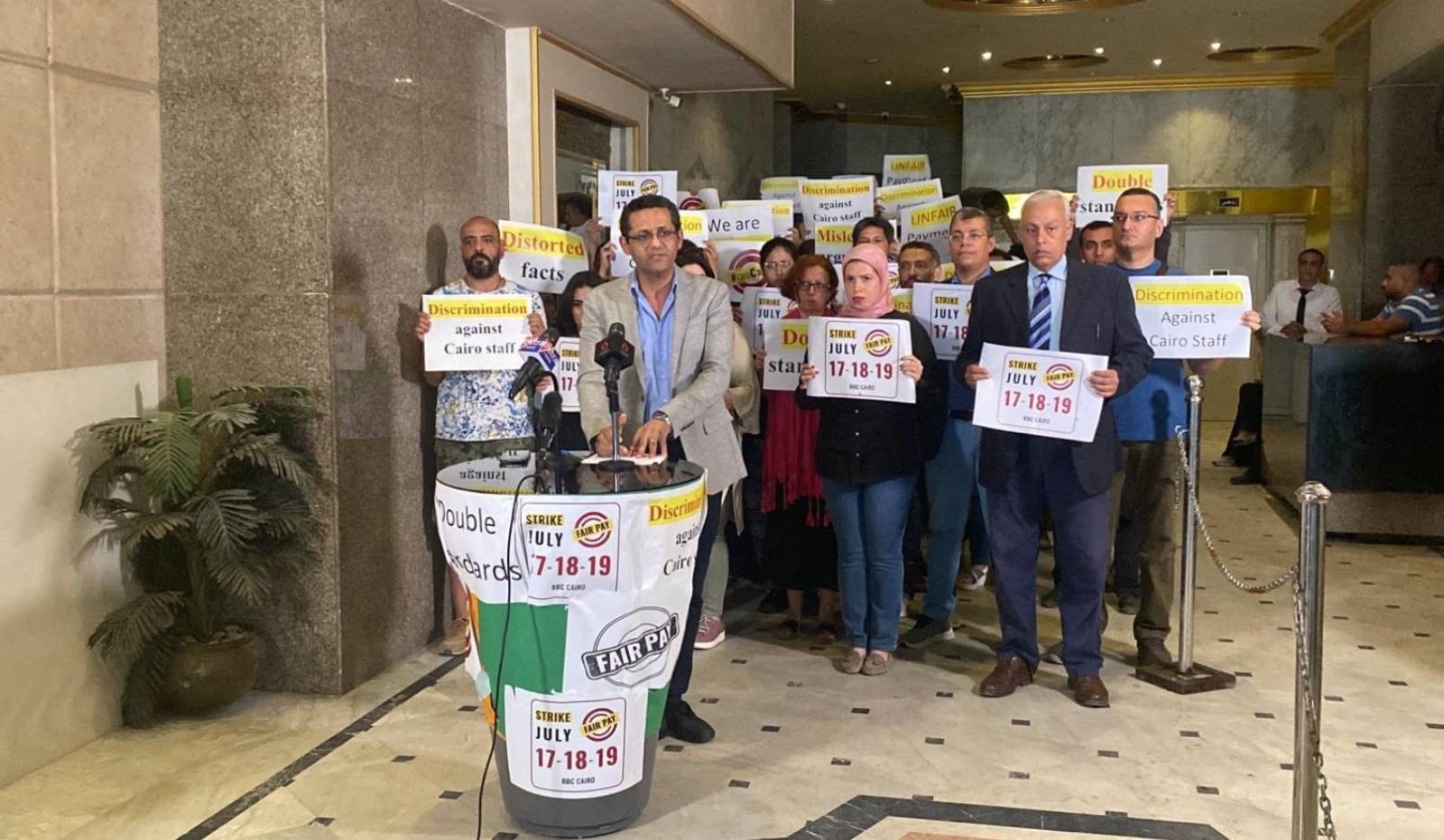
Today’s planned strike would have been the fourth since June, the most recent of which concluded Thursday after 10 days of staff withholding their work.
The strikes have centered on the fact that the BBC pays higher salaries to foreign nationals working from the Cairo bureau, while pay rates for Egyptian nationals working with the British outlet have not been adjusted since 2020, failing to account for the depreciation in the value of the Egyptian pound by over 50 percent against the dollar over that period.
According to a worker who has been participating in the strike and who spoke to Mada Masr on condition of anonymity, the offer submitted by the BBC London management included raising salaries but still ruled out the idea of disbursing salaries in US dollars or tying the sum in Egyptian pounds to the foreign exchange rate, measures the staff initially proposed.
Workers are also looking for an increase in the value of health insurance payouts and a bonus for evening shift work, the worker told Mada Masr, adding that they expect more clarity to come on these fronts in the Monday negotiations.
The staff member noted that the BBC presented a new offer as part of a step to review the institution’s financial policy toward regional offices in countries that have witnessed economic crises, such as a significant decline in the value of the local currency, high inflation rates, or high unofficial inflation. The step will take place over a period of three months with the participation of staff, after which the resulting policy will be implemented in the Cairo office and other regional offices in the future.
The BBC’s Istanbul and Beirut offices faced similar economic crises due to the devaluation of the Turkish and Lebanese currencies in recent years. Managers ultimately decided to pay out salaries in dollars in both of those cases.
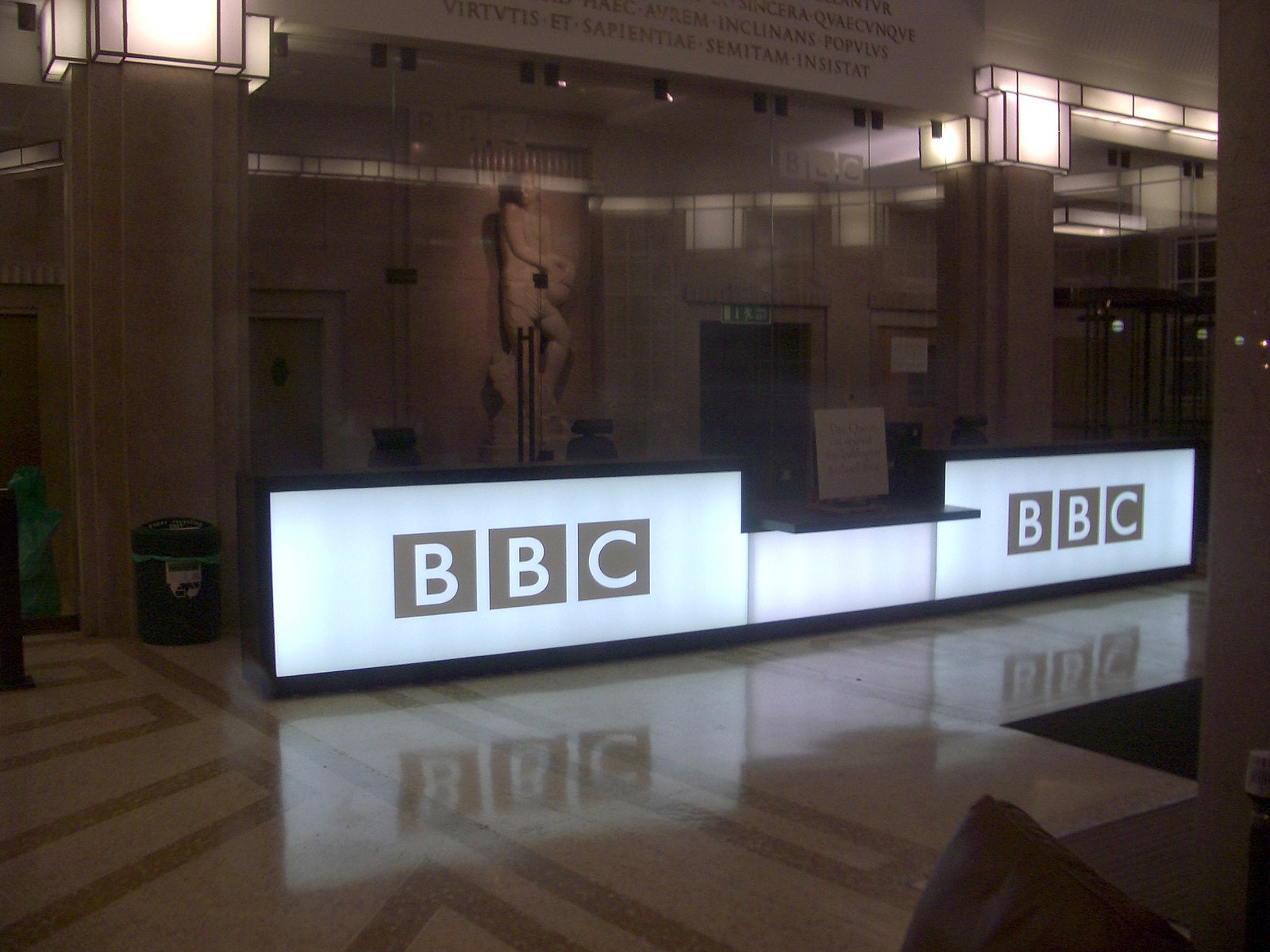
The BBC is facing tough decisions in the future if it aims to maintain its once-vaunted position as a premier global outlet. Budget cuts, restructuring and a set of new competitors have shaken the once-strong foundations of the British state broadcaster. The BBC closed several departments of the BBC World Service in January and dismissed nearly 400 people for their positions. BBC Radio Arabic, meanwhile, ceased broadcasting on January 27 after 85 years of service.
Support for the international offices, and specifically for Cairo, has come from within the United Kingdom. The National Union of Journalists in Britain has stood in solidarity with the striking BBC staff in Cairo, issuing a statement calling on BBC management to reconsider its wage policy in June and organizing a sit-in in front of the BBC headquarters last week.
Speaking on Sunday, Balshy stressed that the new offer represents a gradual shift in the BBC management’s position, from rejecting the demands to attempts to explain the financial policy without compromise to offering an increase in wages. This change, he noted, came after the BBC staff’s continued action and continued solidarity with them, including the protest organized by the British National Union of Journalists last week in solidarity with the Cairo office.
Egyptian nationals working in the BBC’s Cairo office first requested in March 2020 that managers reconsider how wages are calculated. Talks picked up in February, when Balshy was elected as head of the syndicate. But BBC management dismissed the option of implementing an annual wage increase, offering instead what Balshy previously described to Mada Masr as “unsatisfactory” increases of no more than 17 percent.
To justify the stagnant wages, managers at the BBC Cairo office have made indirect reminders to employees regarding the press environment in Egypt, the scarcity of job opportunities, and the fact that security authorities’ perceptions of BBC employees might prevent other domestic press and media institutions from hiring ex-BBC employees, an employee previously told Mada Masr.
أخبار ذات صلة
Reuters Cairo office on strike for higher wages
The Journalists Syndicate has joined striking workers to discuss further steps.
With no resolution from management, BBC Cairo workers plan to continue strike for higher wages
"Management is exploiting the declining economic situation in Egypt"
As BBC Cairo workers resume strike over wages, has outlet’s prestige lost its luster amid devaluation?
Former staff have not been met with open arms when they turn to the local market
BBC workers in Cairo conclude 2nd strike over low wages with plans to escalate
“They never treat it as a negotiation. They come to ‘explain the situation’ to workers”
Your support is the only way to ensure independent, progressive journalism survives.
You have a right to access accurate information, be stimulated by innovative and nuanced reporting, and be moved by compelling storytelling. Subscribe now to become part of the growing community of members who help us maintain our editorial independence.
Join us