
Amnesty International has commended portions of the draft constitution, but says that the document falls short of honoring Egypt’s human rights obligations.
In a statement released Monday, Amnesty said the draft is an improvement on the 2012 Constitution, suspended following the July ouster of former President Mohamed Morsi. But the human rights organization condemned the new draft’s provision that allows for the military trial of civilians.
Amnesty also criticized the government for carrying out acts, in parallel with the finalization of the draft, that violate the very basic rights the new constitution provides for. Such acts, it said, casts doubt on the seriousness of the government to protect the rights provided for in the constitution.
The statement condemned the arrest of protesters and the beating of others on the same week that the constitution was finalized and handed in to the president for approval.
On Monday, 24 protesters were referred to criminal court for violating the new protest law, along with other charges. They were arrested in late November while demonstrating outside the Shura Council against the use of military trials for civilians. Human Rights Watch and other observers documented the beating and sexual harassment of the protesters during their arrests.
“A better constitutional text, and rights enshrined on paper, is a much needed first step,” the statement said. “Unfortunately there is a glaring inconsistency between the aspirations in the draft, and the reality of ongoing human rights violations in Egypt.
“If the authorities are serious in their commitment to human rights, they need to stop arresting opposition activists, hold security forces accountable for killing, injuring and torturing protesters, and take real steps to combat sexual harassment of and assaults on women and girls.”
Among the amended articles commended by Amnesty, the statement mentioned the prohibition of the use of torture, improved articles relating to equality between men and women and protection of women from violence. However, the statement criticized the continued referral to women in relation to their family duties.
The statement also said that the draft makes some headway in protecting children rights by defining children as anyone under 18, in accordance with international law, and banning hazardous child labor.
Amnesty welcomed the adoption of a transitional justice law to establish truth and accountability. It warned, however, about the degree of autonomy given to the military in the draft, saying that the military would probably be excluded from this accountability process.
The protection of the military also casts doubts on whether needed reforms to ensure that the military, police and security agencies respect human rights are possible, the statement continued.
The statement commended the recognition of the demands of the revolution, dignity and social justice, and guarantees for the rights to education and work.
But Amnesty said that allowing for the trial of civilians in military courts in some cases is “worrying,” especially with the record of unfair military trials carried out in 2011 under the rule of the Supreme Council of the Armed Forces.
The statement said that the protection of freedom of assembly in the draft “rings hollow” given the late-November passage of the protest law, which makes the right to assembly conditional on security approval.
Protection of expression is also lacking in the draft, according to the statement, as the document still allows for prison sentences for crimes of libel and excludes from protection those accused of “crimes linked to incitement of violence, or discrimination between citizens,” which Amnesty called vague and open to abuse.
Amnesty criticized the limiting of the freedom of religion to Islam, Christianity and Judaism, saying that it risks the exclusion of religious minorities.
The draft also fails, according to the statement, to mention the main rights that are not to be breached during the imposition of a state of emergency, legislated in the constitution. Amnesty said this raises concerns of a possible return of violations committed by the former regime of ousted President Hosni Mubarak, which maintained a state of emergency for the entire 30 years of its rule.

أخبار ذات صلة
Court to rule on appeal against closure of Hadhoud case on June 23, allows family lawyers access to case files for 1st time
The lawyers have repeatedly complained about the prosecution's refusal to keep them informed
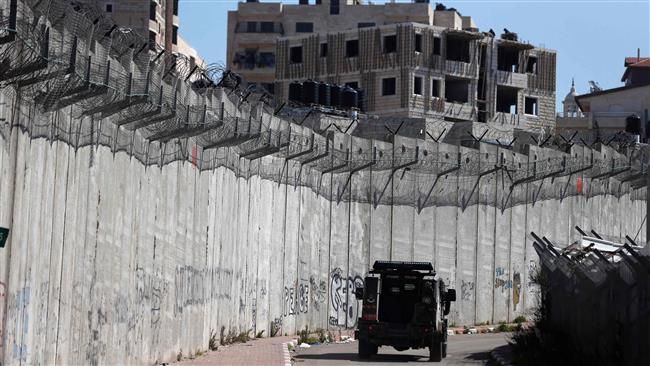
Amnesty International report concludes Israel guilty of apartheid against Palestinians
The report also calls on the UN Security Council to impose a comprehensive arms embargo on Israel

UN human development report on Egypt criticized for overlooking human rights concerns
“Our goal was to release the report at any cost and to avoid the fate of the previous one”

8 men convicted by military court in deadly church bombings case executed on Monday
Several defendants told prosecutors that they were subjected to forced disappearances and torture
Your support is the only way to ensure independent, progressive journalism survives.
You have a right to access accurate information, be stimulated by innovative and nuanced reporting, and be moved by compelling storytelling. Subscribe now to become part of the growing community of members who help us maintain our editorial independence.
Join us