
As inflation hits 3-year high, planned hike of electricity prices has been postponed

This week, Egypt’s government delayed its plan to increase consumer electricity prices, pushing the rate hike back another six months “in order to ease financial pressures on the Egyptian citizen,” Prime Minister Mostafa Madbuly told the press on Wednesday.
Households across the country are battling rising living costs after six consecutive months of inflation, reaching 15.3 percent, its highest rate in three years, in May. The rate hike planned for July was part of an eight year policy plan, through which the government has slowly withdrawn subsidies that used to insulate the public from volatile global energy prices.
President Abdel Fattah al-Sisi, who announced the postponement on Monday, said the July tariff increases would have impacted 17 million households subscribed to the national grid. Those households, according to Sisi, currently benefit from rates around 50 percent cheaper than what the government pays to generate the electricity.
The decision to postpone the hike to household electricity tariffs would entail a LE10 billion burden on the general budget, Madbuly said on Wednesday, adding that the costs would be accounted for by budget reserves.
But the government has not allocated funding to subsidize household electricity since fiscal year 2019/20, as shown in the graph below. Instead, in a cross-subsidization system, the government charges higher rates-per-watt consumed to higher residential consumption brackets. The proceeds from the higher brackets are used to subsidize the lower consumer brackets.

*SOURCE: General budgets published on the Finance Ministry’s website
Tariff hikes since 2019, accordingly, have affected only the lowest consumption brackets, as rates for higher consumption brackets have remained fixed.
Rates paid by the Electricity Ministry to generate power for the national grid have likewise remained stable over that period, since Egypt is able to supply the majority of its own energy at present.
Natural gas accounts for around 90 percent of the electricity generated for the national grid, and the majority of the natural gas used is extracted from Egypt.
MP Mohamed Badrawy, who is a member of the House of Representatives’ specialized committee on budgeting and planning explained to Mada Masr that fuel costs for the Electricity Ministry are determined by the General Petroleum Corporation.
“In order to stabilize the cost of electricity for households, while keeping the cost of subsidies in the general budget at zero, the General Petroleum Corporation keeps the natural gas that it sells to the Electricity Ministry at a fixed price, despite natural gas prices rising globally.”
Writing by Ahmed Medhat
أخبار ذات صلة
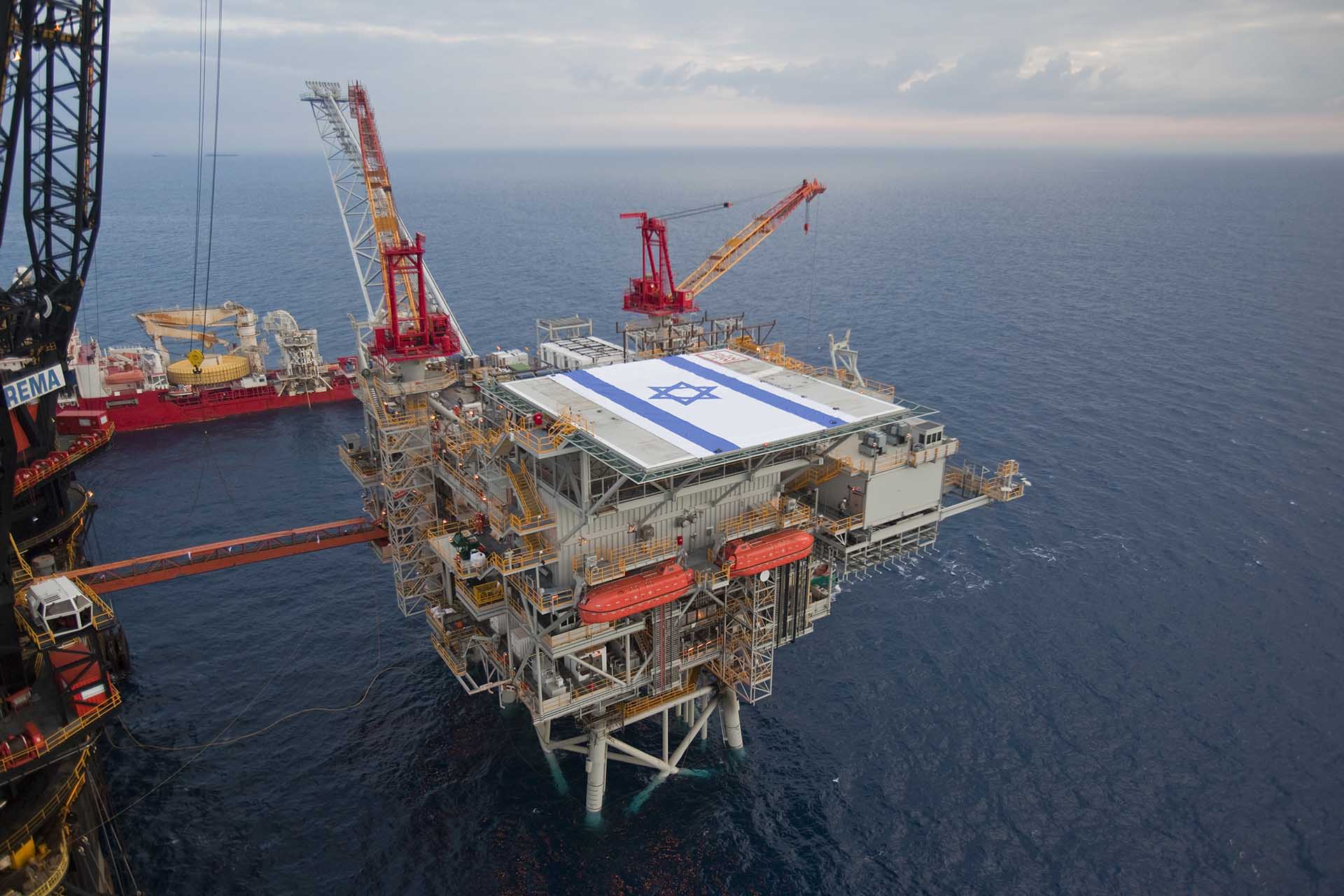
Govt cuts industrial gas supplies after ‘inaction’ to offset planned drop in Israeli imports
The government temporarily reduced natural gas supplies to state-owned petrochemical plants, particularly fertilizer producers, by around 50 percent starting May 17, according…
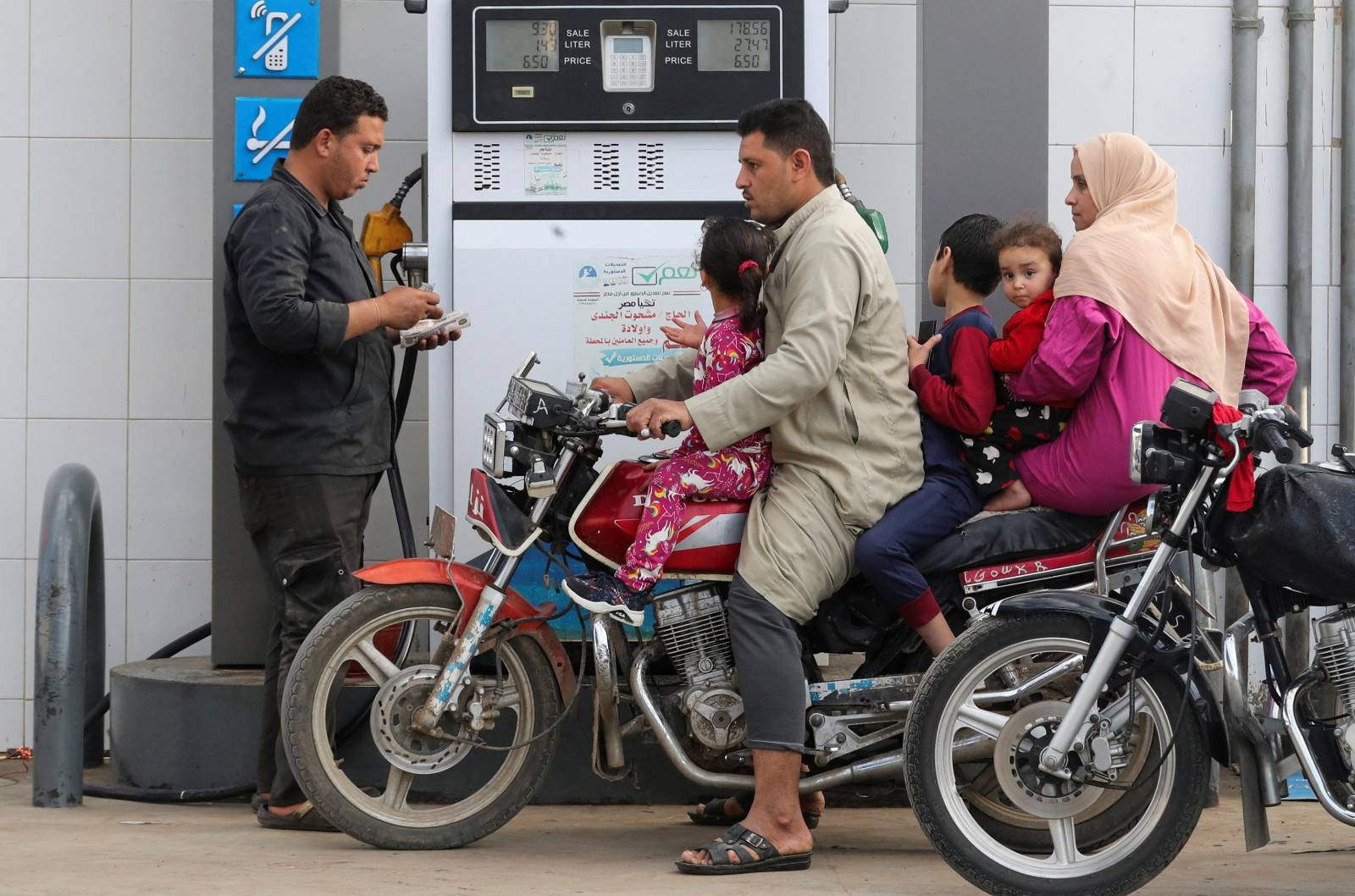
Egypt’s new budget: Electricity subsidies boosted by 2900% alongside slashes to fuel subsidies
The Egyptian government plans to cut spending on fuel subsidies by more than 51 percent, a Cabinet statement on the draft budget…
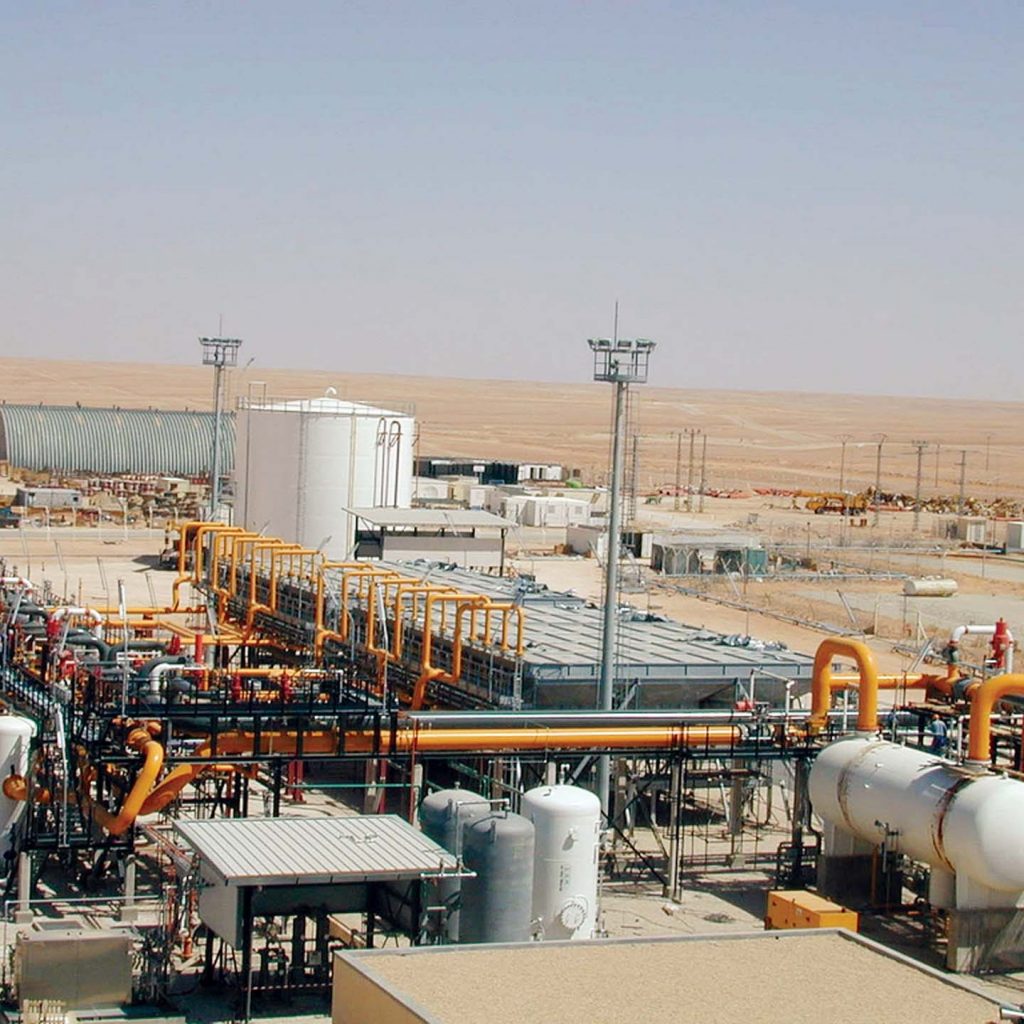
Govt set to hike national gas transmission fees by up to 25% in July
Energy sector sources say the government is set to raise tariffs for gas transmission in July.
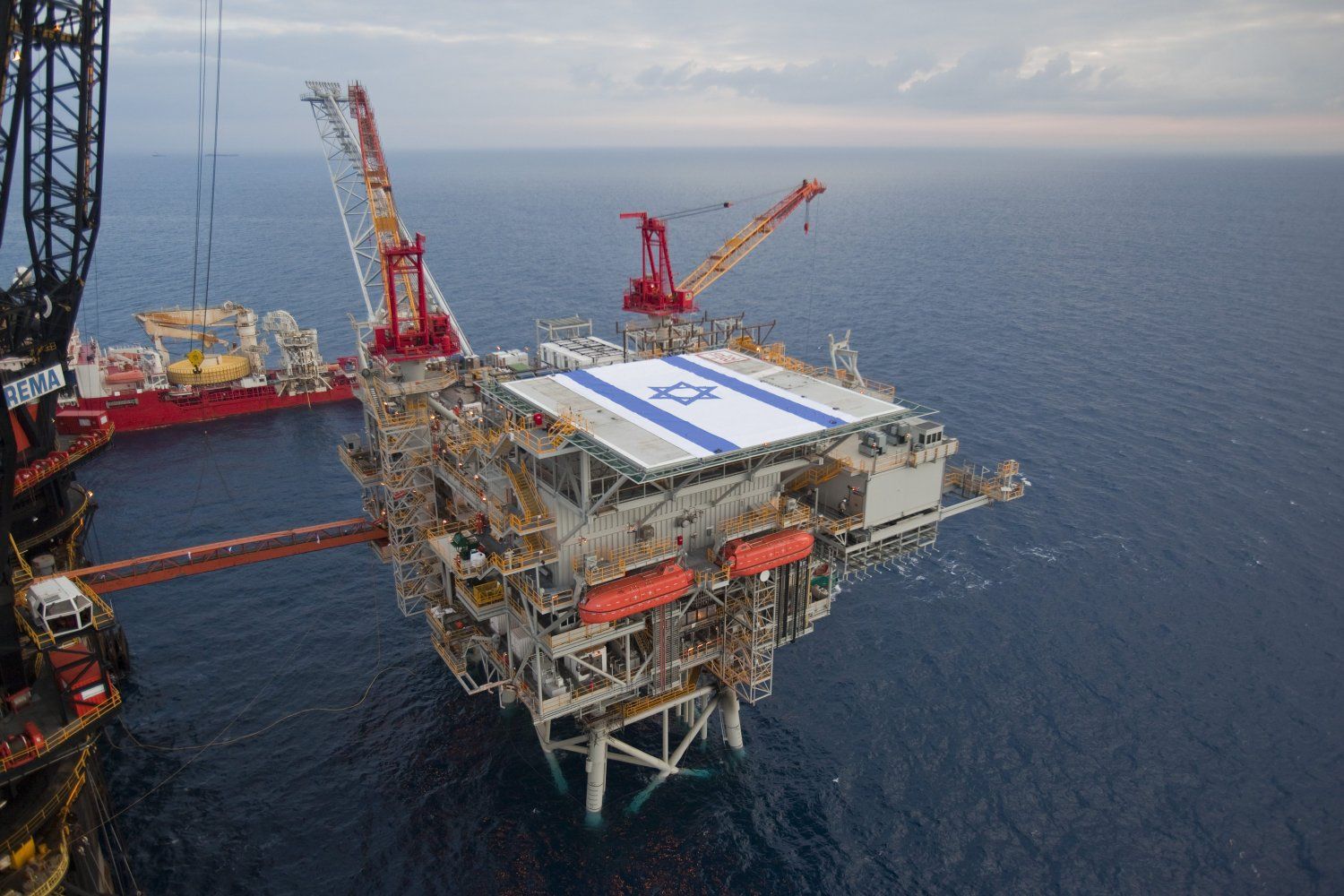
Knock-on effects for Egypt as Israel halts production of natural gas at Tamar field, deliveries via EMG pipeline
Egypt's gas imports from Israel drop by 19% after the temporary shutdown of the Tamar gas field.
Your support is the only way to ensure independent, progressive journalism survives.
You have a right to access accurate information, be stimulated by innovative and nuanced reporting, and be moved by compelling storytelling. Subscribe now to become part of the growing community of members who help us maintain our editorial independence.
Join us