
‘Ala Safar unites activists’ dreams for new media
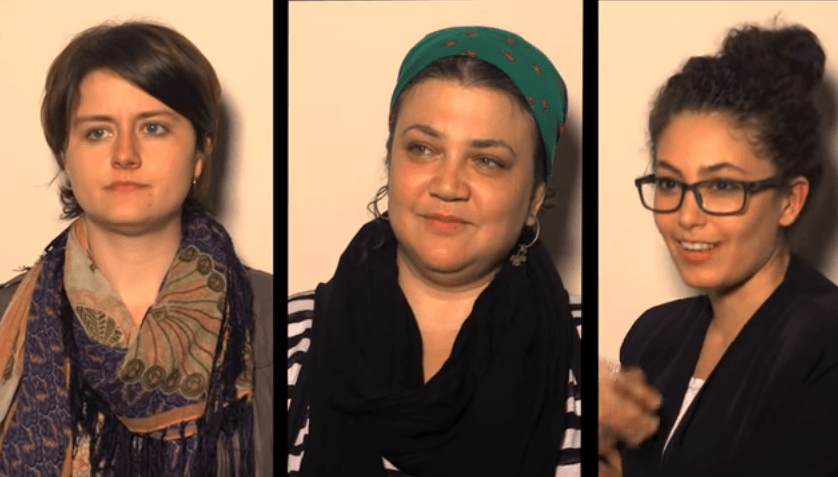
Politician and media host Gameela Ismail does not give up, a disposition that has carried over to the people with whom she is currently working.
In 2005, Ismail took part in an anti-regime protest and subsequently lost her career in Egyptian television where she had presented shows for the youth demographic. She has filed numerous petitions to be reinstated to her former position in the intervening period, all of which have been met with a singular response: She is not allowed to return to her former position.
Not content with the bureaucratic process, Ismail also approached television stations to pitch ideas for new shows. However, yet again, she was met with rejection.
Also a politician, Ismail remained committed to television as a communicative medium that would allow her to reach a large number of people. Today, Ismail decided to forego further reliance on conventional media outlets, when, with the help of young artists, writers and activists, including her own sons, she decided to start an online show, for which she had released a trailer only days prior, on April 26.
Traveling, the loose translation of the show “’Ala Safar,” will focus on the life of cities.
“We were traveling in the past few months, looking for ways to break the siege imposed on us by traditional media. We traveled away from easy offers, from promises and threats,” said Wael Abdel Fattah, the show’s producer and a well-known writer and journalist. “We tried to run away from easy solutions and the made-up perfection that television shows give. We met with groups of artists, writers and media figures in brainstorming sessions that are still ongoing.”
“This adventure prompted me to discover myself, people and places,” Abdel Fattah added, including Salma al-Tarzy, the show’s director and an independent filmmaker, as one of these discoveries.
In the show’s first episode, the producers focused on Quseir, a city along the Red Sea’s coast, which is relatively unknown in Cairo. In 2014, the city’s residents fought against a plan to merge Quseir with Qena in a moment of popular agency against top-down city planning. At the time, the Egyptian government was pursuing a larger initiative to demarcate new municipal boundaries across Egypt. The residents managed to delay the decision, demanding development of their own city.
According to its makers, “'Ala Safar” is interested in representing a nuanced version of people and places. It is a representation “that mixes the bitter and the sweet, one that acknowledges problems and doesn’t brush them off,” as Ismail put it. “It’s not tourism. It’s not a TV reportage. It’s not an investigation. It’s an attempt to look at what’s underneath the surface of life,” she said.
“Deep inside, it is a political show, one that doesn’t alienate people by giving them sermons from a studio through a talk show, which is the dominant TV form today,” said Ismail, who has been engaged in dissident politics since 2001 and was one of the co-founders of the post-revolutionary Dostour Party constituted predominately of young Egyptians.
Marginalized communities, she said, are only remembered when there are elections or catastrophes. Her show tries to do something different.
Ismail also explains how they reached out to tourism officials to broach whether the show could be useful for tourism promotion. But “direct advertisement,” as articulated in campaigns like “This is Egypt,” is what officials said they prefer.
The show’s producers, who have been working without pay, are hoping to attract a production firm to adopt the show and alleviate the financial burdens of production. Yet, Ismail hopes to see the show broadcast on Egyptian television, still holding onto her belief in the medium’s ability to reach people.
“The most beautiful thing in Tahrir Square is this idea of strangers. We were all strangers but could talk to each other easily. We were curious about each other. Through the show, I want to reproduce that experience,” Ismail concluded.

أخبار ذات صلة
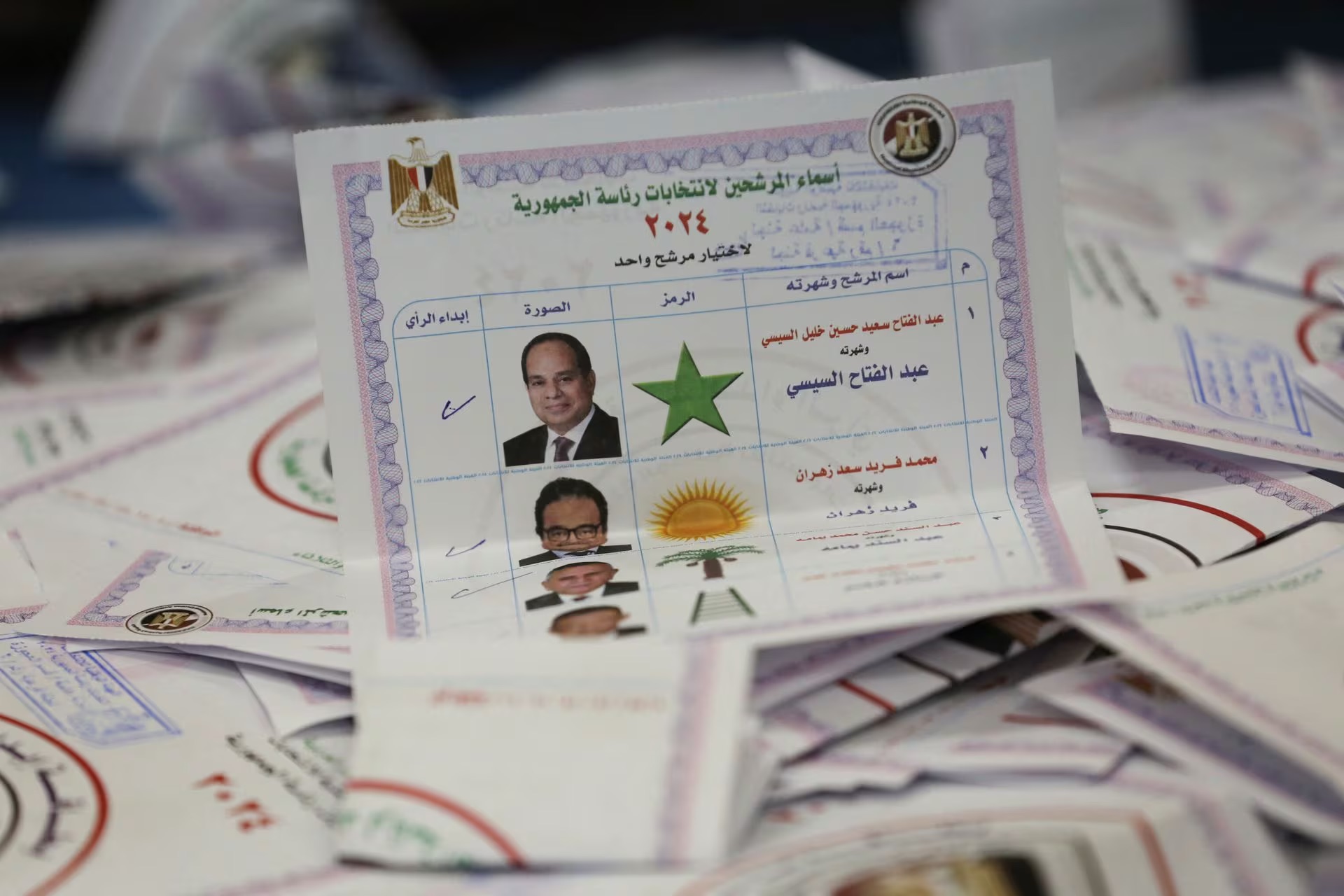
President Abdel Fattah al-Sisi re-elected until 2030
Much of the competition was eliminated in the initial stages of the election.
Voting closes for Egyptian diaspora amid quiet presidential election cycle
Farid Zahran, Hazem Omar and incumbent President Sisi among choices for diaspora votes
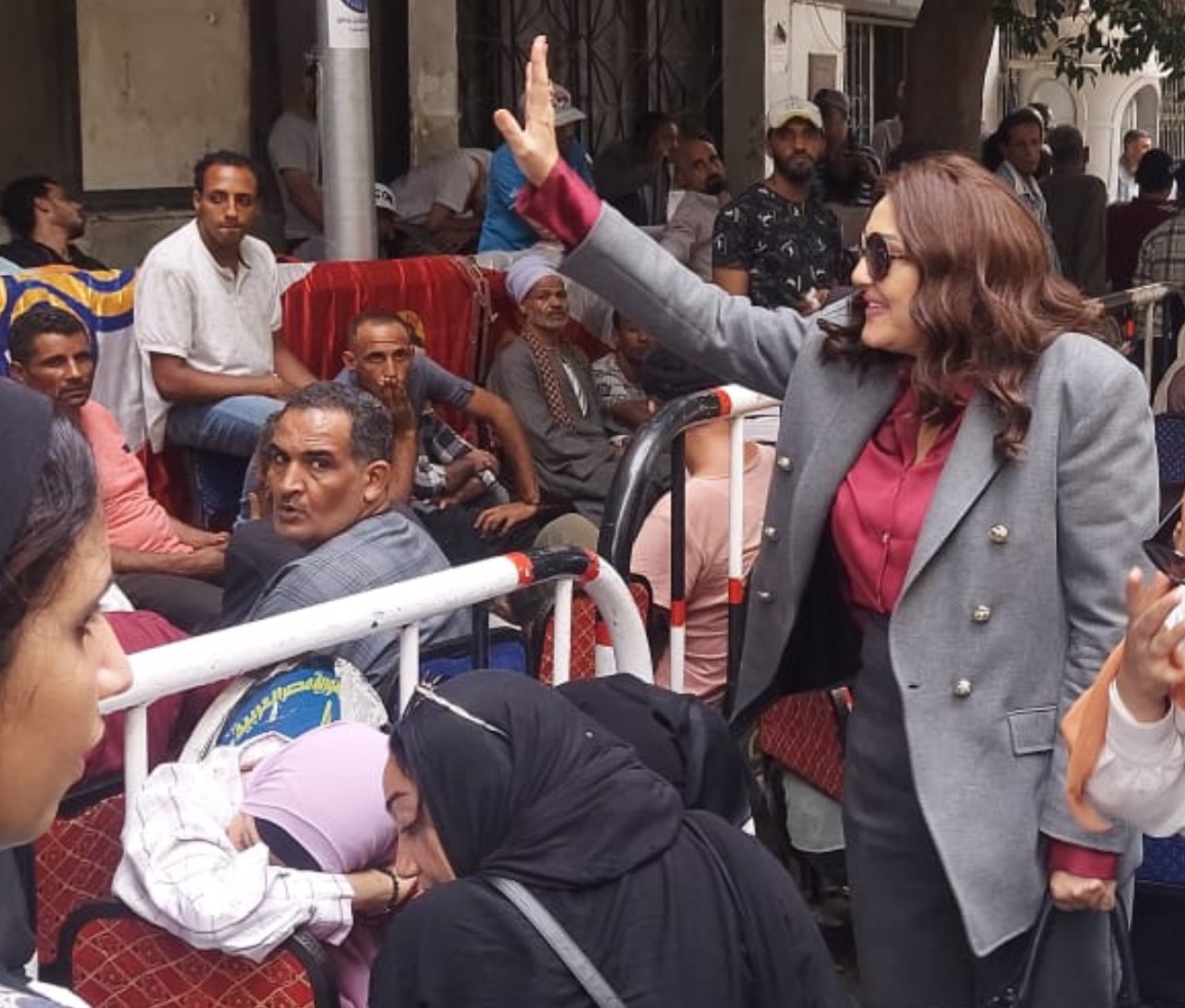
Dostour Party head Gameela Ismail bows out of presidential race
The party is yet to determine whether it will back another candidate
Last 4 days for presidential nominations: Sisi & others reach finish line, opposition candidates battle to qualify as supporters face arrests, obstruction
One by one, the 2023 cohort of aspiring presidential candidates are reaching the finish line of the nominations stage, handing over official…
Your support is the only way to ensure independent, progressive journalism survives.
You have a right to access accurate information, be stimulated by innovative and nuanced reporting, and be moved by compelling storytelling. Subscribe now to become part of the growing community of members who help us maintain our editorial independence.
Join us