
Voting closes for Egyptian diaspora amid quiet presidential election cycle
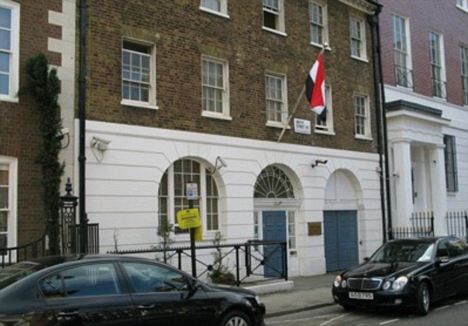
Voting closed on Saturday night for Egyptians in the diaspora during what is shaping up to be a quiet presidential election cycle.
Egyptian expatriates casting their votes on Friday and Saturday were presented with a comparative variety of choices on the ballot paper, including candidates Farid Zahran, Abdel Sanad Yamama, and Hazem Omar, alongside incumbent President Abdel Fattah al-Sisi, who is running to extend his decade spent in power.
Turnout appears to have been low, with national television coverage of voting locations showing low participation rates at Egyptian embassies and consulates abroad.
A report on weak voter turnout in the United Kingdom was published by the privately-owned outlet Al-Shorouk news, and was later removed from its website.
Around 14 million Egyptian nationals live outside Egypt, Emigration Minister Soha Gendi has estimated.
It’s too early to establish a clear metric on turnout, said former member of the National Elections Authority and electoral expert Major General Refaat al-Qomsan, speaking to Mada Masr.
Embassies and consulates must first sort the votes and prepare reports on the results. All voting materials will then be sent to the National Elections Authority in Cairo for the votes to be compiled and results, including turnout, to be announced.
But there are a few factors that may lead to low turnout in the diaspora, said Qosman. Timing is one, with voting starting on December 1 for Egyptian expatriates: a working day in European and American countries.
Egyptian embassies and consulates are also often far from central areas, making them less accessible to Egyptian communities in some countries, such as in the United States and Australia, Qosman said.
To vote, Egyptians residing abroad must make their way to the Egyptian embassy or consulate in their respective countries, bringing their national ID card or passport as proof of identity.
Participation could be lower this time than in previous election rounds, a source close to the National Elections Authority said, speaking on condition of anonymity.
In 2012, the first round of presidential elections after the 25 January revolution, 311,875 Egyptians abroad took part, casting their vote among 13 candidates. In the second round, 306,000 people took part, contributing to the victory of the late former President Mohamed Morsi over his opponent, former Prime Minister Ahmed Shafiq.
Similar numbers took part in the 2014 presidential elections, when then-Defense Minister Abdel Fattah al-Sisi challenged Nasserist leader Hamdeen Sabbahi. 315,000 Egyptians in 124 countries participated.
By 2018, however, participation dropped steeply. Only 157,060 Egyptians abroad voted to re-elect Sisi over a forgettable last minute contest put forward by head of the Ghad Party, Moussa Mostafa Moussa.
Differences between potential candidates arose during the nominations phase of the current election cycle — the first since Sisi’s administration changed constitutional limits on presidential terms that could allow his presidency to continue until 2030.
Opposition candidates, including Ahmed Tantawi and Dostour Party head Gameela Ismail, bid to secure the hundreds of thousands of popular endorsements needed to qualify for a place on the ballot paper, resulting in clashes at registration points across the country between Sisi’s supporters and supporters of the opposition.
Opposition supporters faced obstruction as well as security harassment, with over 100 members of Tantawi’s campaign still detained and facing trial. Ahmed Tantawi is also facing charges of printing and circulating election papers without authorization from the relevant authority.
Controversy during the campaigning and voting phase has been more muted. A statement by the campaign of Egyptian Social Democratic Party head Farid Zahran released on Saturday criticized what it said was the foreign ministry promoting “one candidate” outside polling centers in foreign capitals and claimed the campaign was sent videos and photos documenting this phenomenon. Zahran’s campaign statement urged the National Elections Authority to act and the foreign ministry to prevent the infraction of electoral silence and ensure equal treatment among candidates.
The National Elections Authority, however, said on Saturday that it had not received any official complaints from the candidates or their representatives regarding infractions of rules on electoral publicity. It added that no form of election propaganda is conducted within embassy and consulate polling stations, and any publicity undertaken by members of the public not affiliated with candidates outside the polling stations falls outside its jurisdiction.

أخبار ذات صلة
Authorities arrest Tantawi’s presidential campaign manager in court
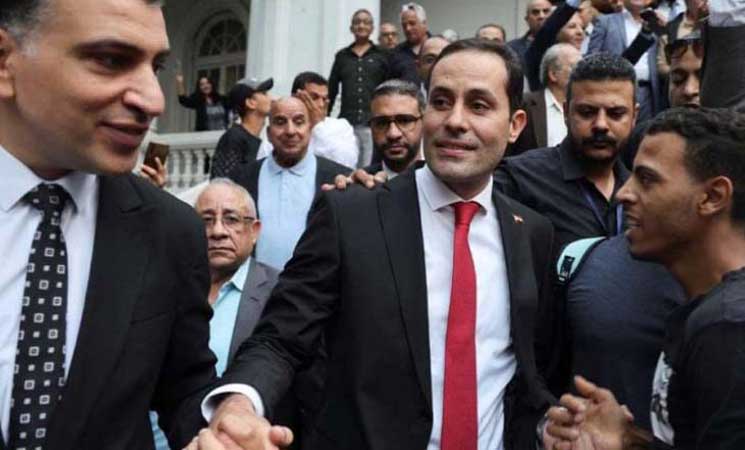
The campaign manager of former presidential hopeful Ahmed Tantawi was arrested in court on Monday.
Tantawi at detention center, campaign manager released pending appeal after electoral fraud charges
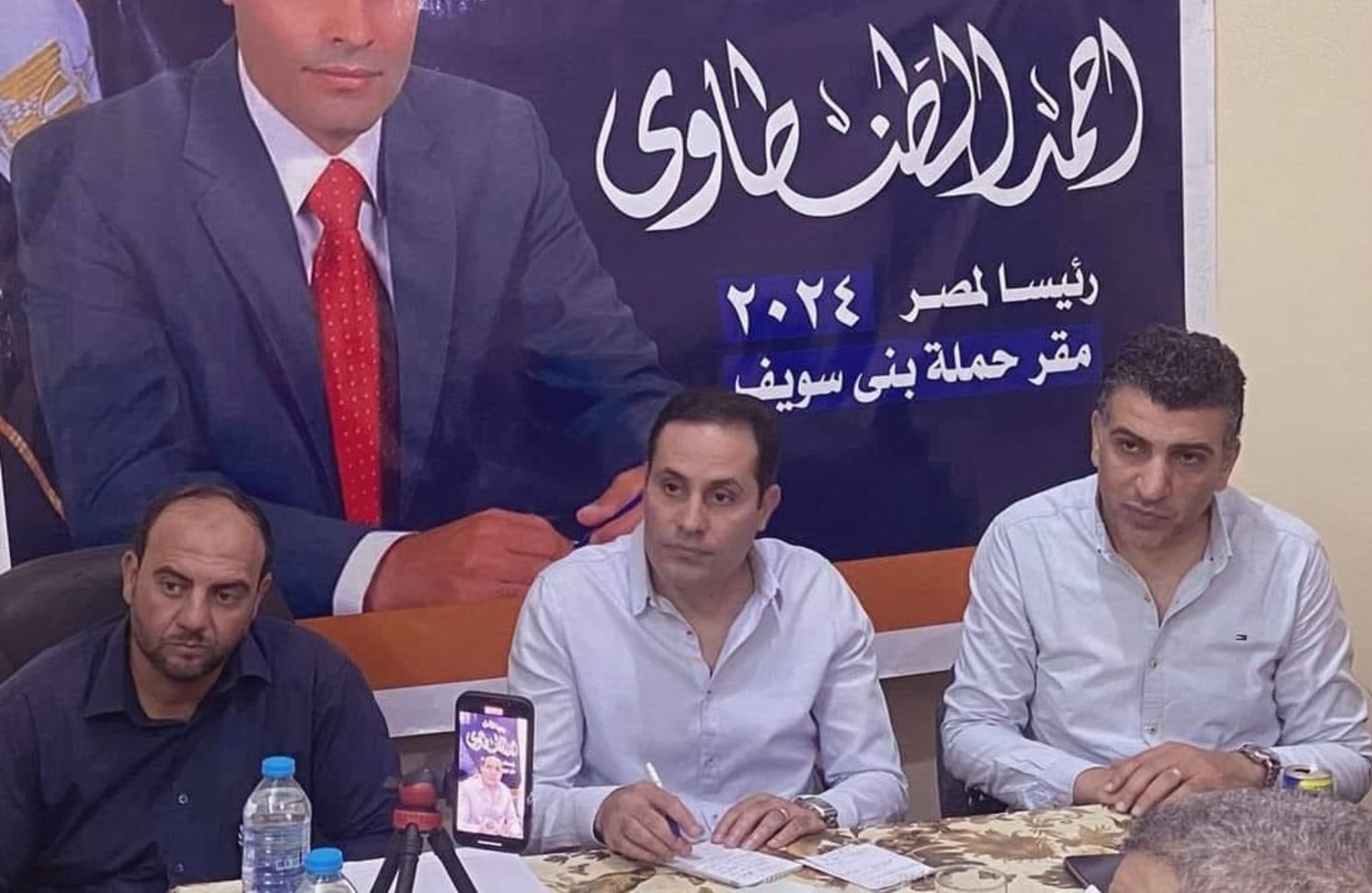
After a court ruled opposition politician Ahmed Tantawi and the manager of his presidential election campaign guilty on charges of electoral fraud…
Opposition politician Ahmed Tantawi arrested after court upholds 1-year sentence
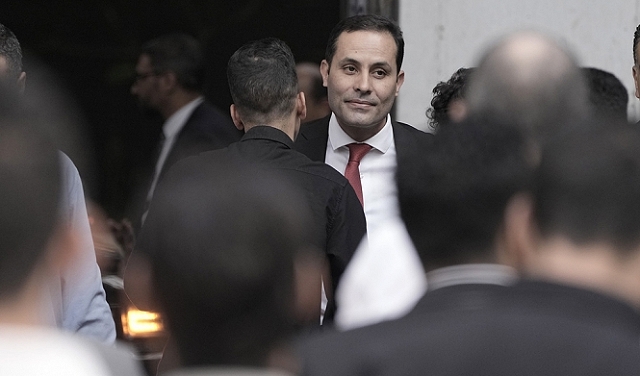
Opposition politician Ahmed Tantawi was arrested after a court upheld his 1-year sentence.
Court upholds 1-year prison sentence for opposition presidential contender Ahmed Tantawi’s campaign manager
A Cairo court upheld on Wednesday a one-year sentence for former presidential hopeful Ahmed Tantawi's campaign manager, Mohamed Aboul Diyar. Tantawi and…
Your support is the only way to ensure independent, progressive journalism survives.
You have a right to access accurate information, be stimulated by innovative and nuanced reporting, and be moved by compelling storytelling. Subscribe now to become part of the growing community of members who help us maintain our editorial independence.
Join us