
After visit to Tora prison, prosecution says no evidence inmates are mistreated
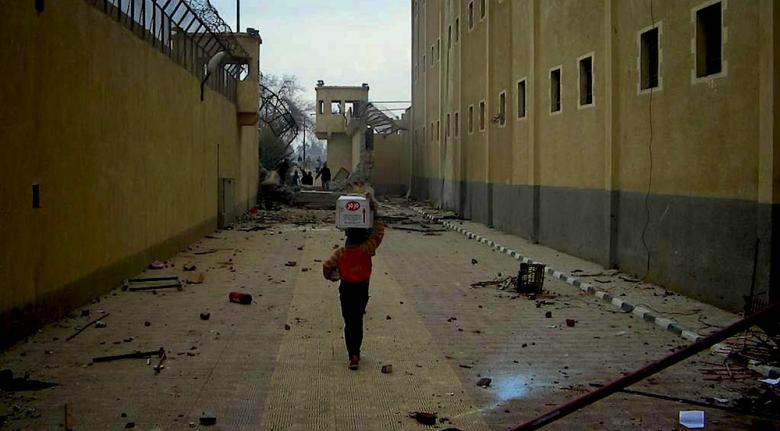
Following a surprise visit to the Tora prison complex, a team from the prosecutor’s office claimed all inmates in the facility were there legally as per judicial order, and had no complaints regarding assaults or mistreatment.
The team visited five prisons in the complex, and said the only complaints they heard pertained to insufficient time for exercise, and the glass barrier that separates inmates from their visitors, reported on Thursday the state-owned Middle East News Agency (MENA).
Independent human rights organizations are not authorized to visit prisons. The governmental National Council for Human Rights (NCHR) was only permitted access after publicly complaining that the Ministry of Interior was not responding to their request for a prison visit. The council was subsequently allowed to visit two hunger-striking inmates earlier this month — Abdullah al-Shamy, who has since been released as he awaits trial, and Mohamed Soltan, who remains in prison in critical condition.
The NCHR did not release a detailed report of the visit, publishing only a recommendation that Soltan remain in the hospital due to his grave medical condition. However, the recommendation was ignored and Soltan was remanded back into custody amid fears for his life, given the lack of medical attention.
The Egyptian Initiative for Personal Rights (EIPR) released a report on June 17 asserting that living conditions and health care in prison do not meet the minimum required standards, endangering prisoners' lives.
As EIPR personnel did not have access to the prisons, the report was based on research conducted through interviews with recently released inmates, prisoners’ families and lawyers. The research spanned 17 police stations and prisons.
Several respondents who had been detained at several different facilities told EIPR that the Tora prison complex did have problems, but conditions were generally better there than at any other location.
Extreme overcrowding in cells, poor hygiene and insufficient medical services are the main dangers confronting inmates, according to the report.
Other human rights organizations have also published a number of testimonies from prisoners and their families detailing brutal assaults in both police stations and prisons.
According to a report issued in March by wikithawra, an independent database, more than 40,000 people have been detained in Egypt over the last year, of whom 53 have died in custody.

أخبار ذات صلة

On hunger strikes: A brief background
A growing number of Egyptian prisoners have joined a widespread wave of hunger strikes, including well-known activists associated with the January 25 revolution who were detained on charges related to…
Prison chief denies presence of hunger strikers in jails
Prison security chief, Mohamed Ali Hussein, has claimed there are no hunger strikers in Egyptian jails, Aswat Masriya reported on Monday. “All…

Starving for justice
Fatigued by a year of void legal processes and deprivation of basic rights, political prisoners are attempting to break the cycle of helplessness with the one bit of control they…
A freelance photojournalist forgotten behind prison walls
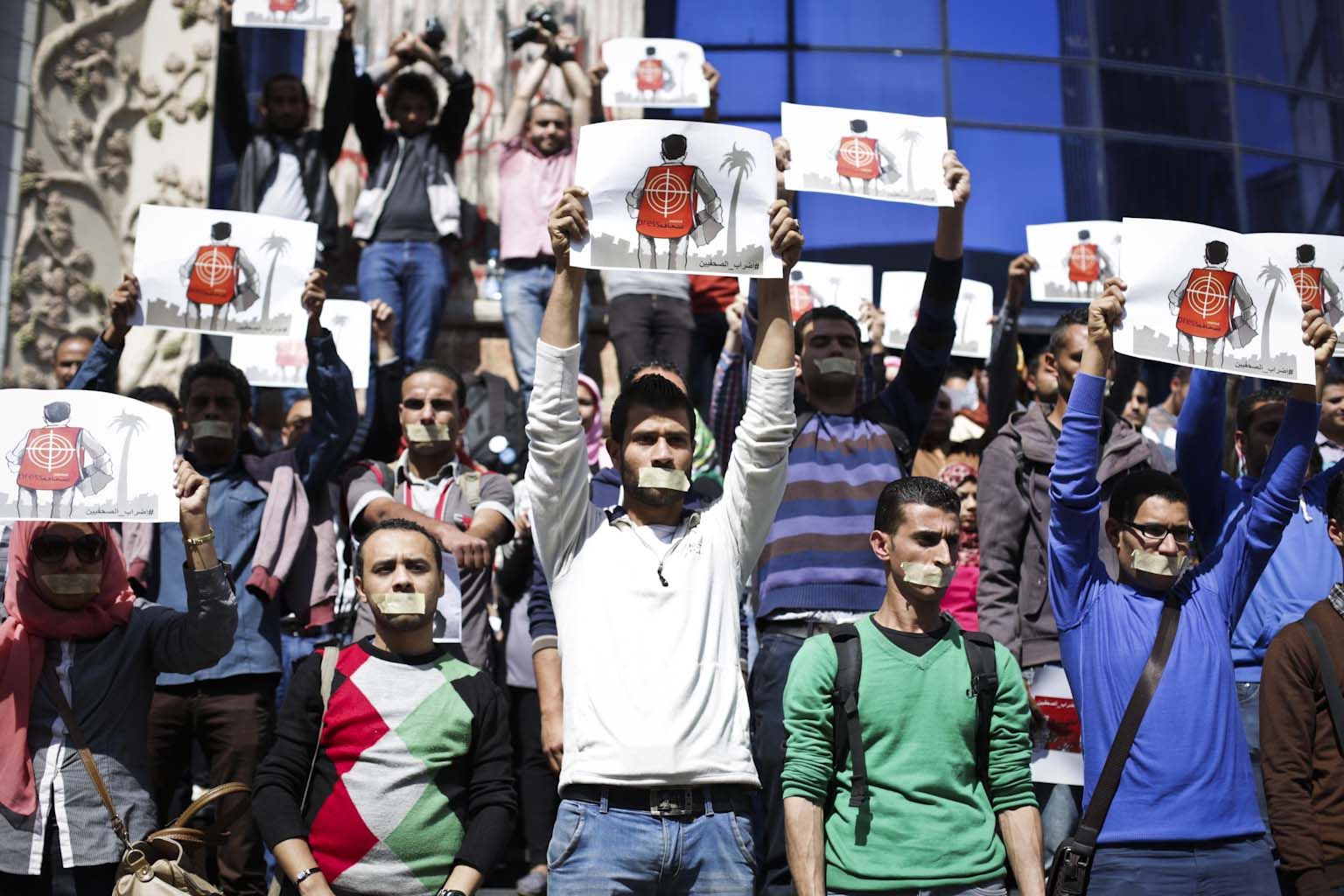
In a scene reminiscent of Hosni Mubarak’s regime, a group of photojournalists sat on the platform of the Journalists Syndicate with bandages on their mouths, raising photos of Mahmoud Abou…
Your support is the only way to ensure independent, progressive journalism survives.
You have a right to access accurate information, be stimulated by innovative and nuanced reporting, and be moved by compelling storytelling. Subscribe now to become part of the growing community of members who help us maintain our editorial independence.
Join us