
Administrative Court confirms parliament elections deferred
The Administrative Court confirmed on Tuesday that the parliamentary elections, slated to begin on March 22, will indeed be postponed.
The ruling comes as no surprise after the Supreme Constitutional Court (SCC) rendered the recently passed Constituency Division Law unconstitutional on Sunday. The SCC declared that Article 3 of the law violates Article 102 of the Constitution, which ensures the fair representation of voters across all constituencies and governorates.
In Tuesday’s verdict, the Administrative Court halted all preparations for the elections, including the work of the High Elections Committee (HEC), until the law is officially amended.
The HEC regulates electoral campaigns — particularly how they’re funded and how much candidates can spend — as well as many other administrative aspects of the elections process.
President Abdel Fattah al-Sisi set a one-month deadline for the amendments, after which candidates could re-register for the elections, according to the BBC. But it’s currently unclear how far back the elections will ultimately be pushed.
But for political analyst Mohamed Naim, the delay isn’t politically significant.
Sisi’s administration must “have a parliament, solely because of international pressure,” Naim told Mada Masr, but “no political organization thinks the parliament will have power. They [the Armed Forces] don’t believe the parliament is important at all.”
When asked if the ruling was politically motivated, Naim said security concerns and a general lack of public demand for a parliament could have been underlying factors in the decision.
“The Egyptian people do not care about parliament. They’ve already delegated the power to Sisi to run the show,” he asserted.
Parliamentary elections are the final stage in the military-authored roadmap to democracy, which was announced by Sisi himself after former President Mohamed Morsi was removed from power in July 2013.
The 2014 Constitution stipulated that a parliament should be elected within six months of voting in the new constitution. The transitional government found a loophole by forming the Supreme Elections Committee days before the Constitution’s deadline, but the process has now lagged on for an additional seven months.
Egypt has been governed in the absence of an elected parliament since 2012, when the SCC ruled that a third of the Islamist-dominated Parliament had been illegally elected, and overturned the entire body just days before President Mohamed Morsi won the runoff elections against Ahmed Shafiq.

أخبار ذات صلة
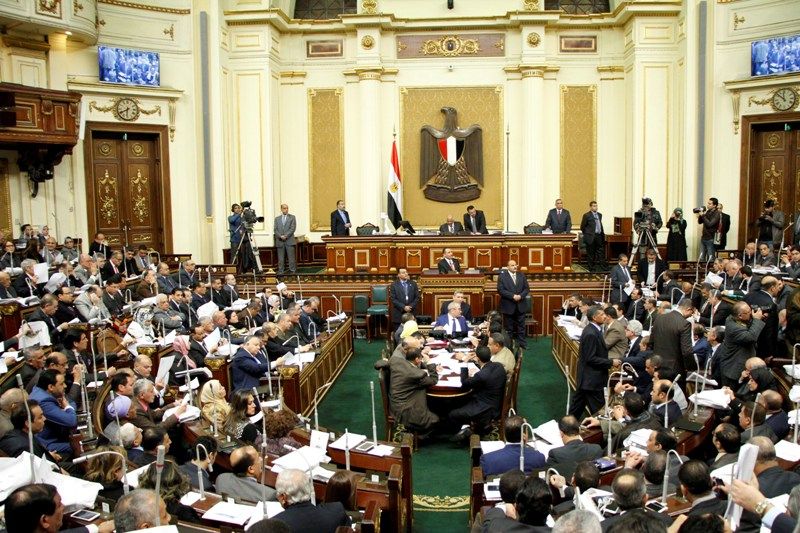
A presidential directive to freeze Parliament
New parliamentary formation to be engineered by the National Security Agency
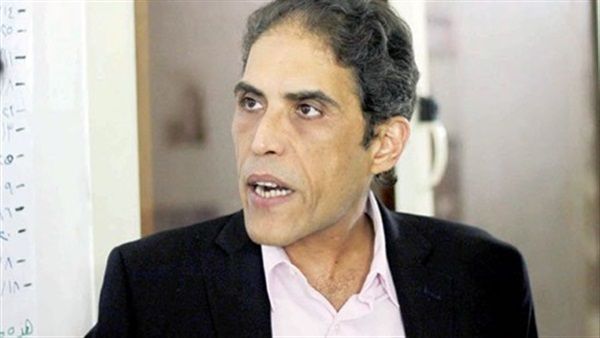
A disintegrating coalition: Rifts re-emerge after Dostour Party’s default leadership election
Rifts have re-emerged within the Dostour Party days after the default election of Khaled Dawoud as party president
Anatomy of an election
"For the Love of Egypt … was born in this meeting. Yes, inside the Egyptian General Intelligence Agency. I was there, at the invitation of the presidency."

Hazem Abdel Azeem faces backlash following controversial testimonial on parliament
Telecommunications professor and liberal politician Hazem Abdel Azeem has been the subject of much scrutiny this week following a testimonial he published directly…
Your support is the only way to ensure independent, progressive journalism survives.
You have a right to access accurate information, be stimulated by innovative and nuanced reporting, and be moved by compelling storytelling. Subscribe now to become part of the growing community of members who help us maintain our editorial independence.
Join us