
Abdel Rahman al-Qaradawi’s defense: Lebanese judge recommended poet’s extradition to UAE
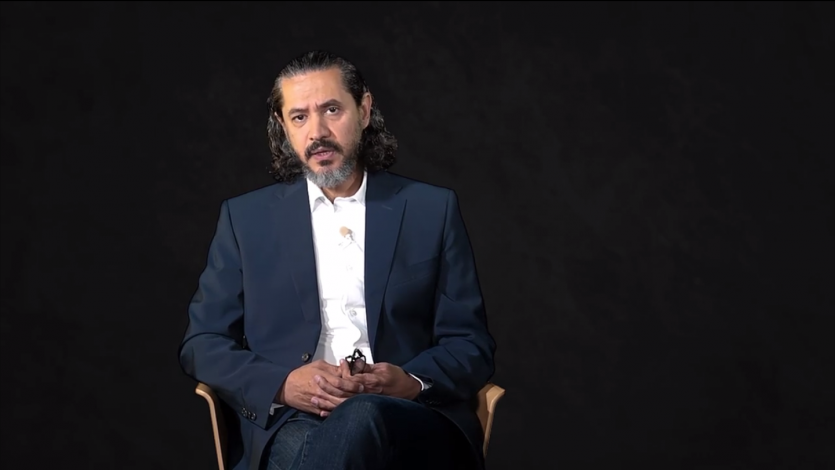
Egyptian poet Abdel Rahman Yusuf al-Qaradawi could face extradition from Lebanon to the United Arab Emirates, according to his lawyer, Mohamed Sablouh.
Lebanese authorities detained the poet and Egyptian national on December 28 after he entered the country from Syria, where he had shared a video criticizing the regimes in Egypt, Saudi Arabia and the UAE on social media.
Following his arrest, a number of countries entered the fray for Yusuf's future. Both the UAE and Egypt have reportedly requested his extradition, while Turkish authorities have also requested he be permitted to leave Lebanon to travel to Turkey, where Youssef also holds nationality.
In a video posted on Facebook on Friday, Sablouh warned the Lebanese Cabinet against “risking a person’s life for promises or interests between states.”
Yusuf, the son of the late Yusuf al-Qaradawi, who founded the International Union of Muslim Scholars, was initially arrested in Lebanon on the basis of a notice issued by the Arab Interior Ministers Council following a 2016 prison sentence issued in absentia by an Egyptian court that convicted Youssef of spreading false news.
After his arrest, Lebanon's Acting Public Prosecutor Judge Jamal al-Hajjar received a request from Egypt to extradite Yusuf, but he delayed issuing an opinion on the matter, according to Sablouh.
The judge subsequently appeared in court on Friday to review the UAE’s request to extradite Yusuf, the lawyer continued.
Sablouh said that he later learned that during the Friday court visit, Hajjar was intending to recommend to Lebanon’s Cabinet, who ultimately approve extradition orders, that Yusuf be extradited to the UAE. Egyptian media outlets likewise reported that Hajjar had recommended the poet’s extradition to the UAE, without citing the source of the information.
Sablouh said that Yusuf's defense team has yet to be officially notified of the judge’s recommendation or of any final decision regarding Yusuf's status, expressing concern over what he described as the Lebanese government and judiciary’s maneuvering to expedite the extradition of his client.
While Egypt’s formal extradition request was delayed due to a paperwork issue which in turn stalled the Lebanese prosecution’s investigations into the Egyptian memo, Hajjar reportedly received a telegram from the UAE demanding Yusuf's extradition to face charges of “inciting destabilization of security in the UAE.”
Sablouh told Mada Masr that Turkey’s embassy in Lebanon had also formally requested Yusuf's extradition, citing his Turkish citizenship and condemning Lebanon for violating international agreements.
Sablouh also voiced concern that his client’s extradition would breach Lebanon’s commitments to several international frameworks, including the UN convention against torture, the Universal Declaration of Human Rights, the Riyadh Arab Agreement for Judicial Cooperation, and the Arab League’s extradition treaty, which prohibits extraditing individuals facing political charges or the risk of persecution or torture.
Sablouh vowed to continue pressuring the Lebanese government to halt any decision to extradite Yusuf to the UAE. “If the prime minister or any minister signs off on Yusuf's extradition, I will pursue them internationally through the global judicial system,” he said. “They are gambling with Abdel Rahman’s life.”
Sablouh later said in a Facebook post on Saturday that during the initial investigations with Yusuf, he had submitted a memo to the public prosecutor outlining the illegality of extraditing Yusuf to the UAE, arguing that Yusuf had not committed crimes in either Lebanon or the UAE and emphasizing that freedom of expression is protected under the Lebanese constitution and international agreements Lebanon has ratified.
أخبار ذات صلة
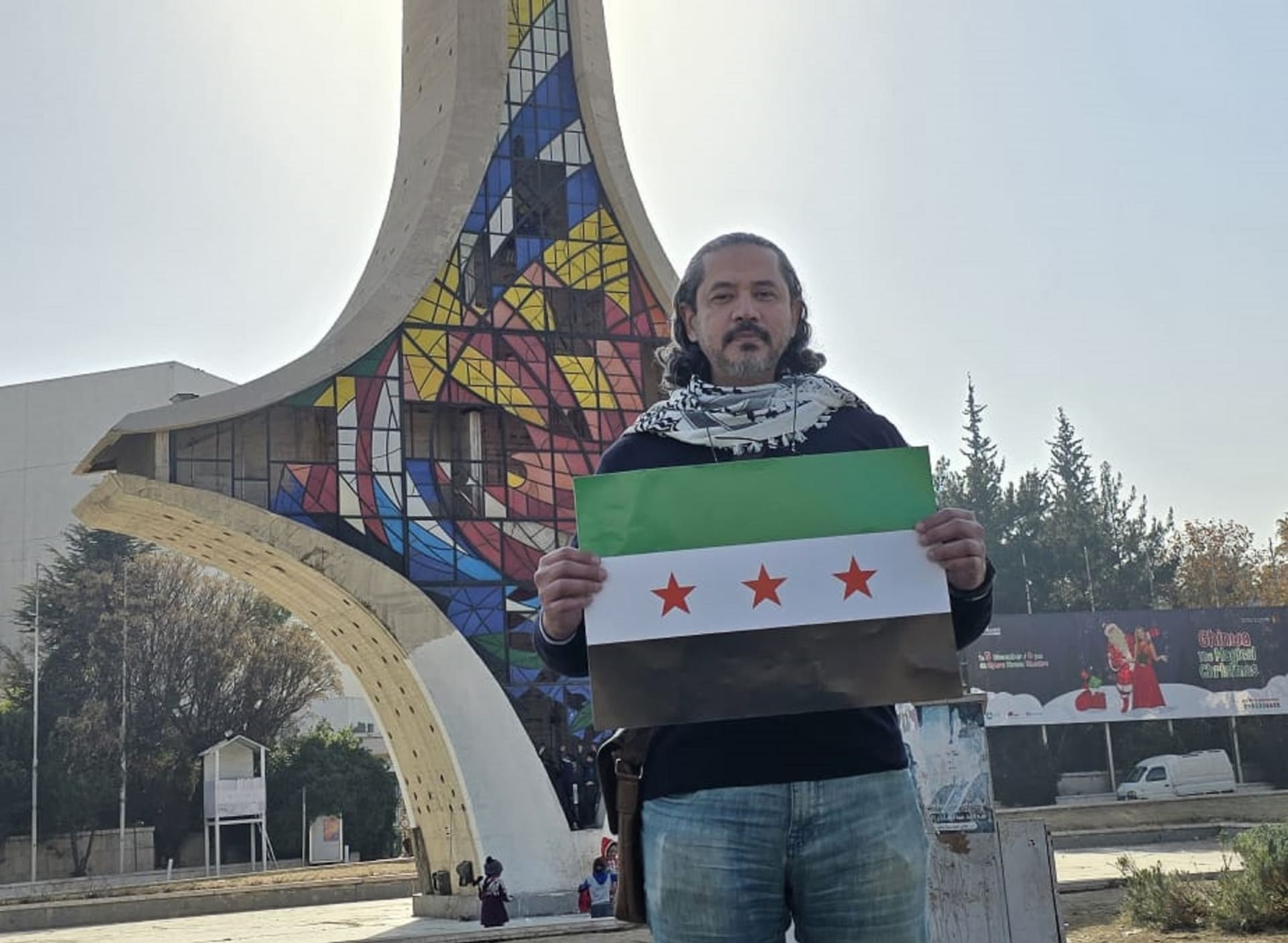
Lebanon extradites Abdel Rahman al-Qaradawi to UAE, lawyer says
Lebanese authorities extradited poet Abdel Rahman Yusuf to the United Arab Emirates on Wednesday afternoon, according to Mohamed Sablouh, his lawyer. Qaradawi…
Prosecutor dismisses reports of travel bans
The prosecutor general denied that any travel bans were imposed Wednesday on prominent politicians, activists and media personnel, as reported earlier…
Complaints against activists referred to prosecution in State Security case
Prosecutor General Hisham Barakat referred complaints against several prominent activists regarding plotting and inciting the storming of former State Security headquarters in…

Douma in new remand detention cycle as court rejects appeal
Prominent Egyptian activist and writer Ahmed Douma has entered a new cycle of remand detention, with a court rejecting an appeal against…
Your support is the only way to ensure independent, progressive journalism survives.
You have a right to access accurate information, be stimulated by innovative and nuanced reporting, and be moved by compelling storytelling. Subscribe now to become part of the growing community of members who help us maintain our editorial independence.
Join us