
50 mummies unearthed in Valley of the Kings
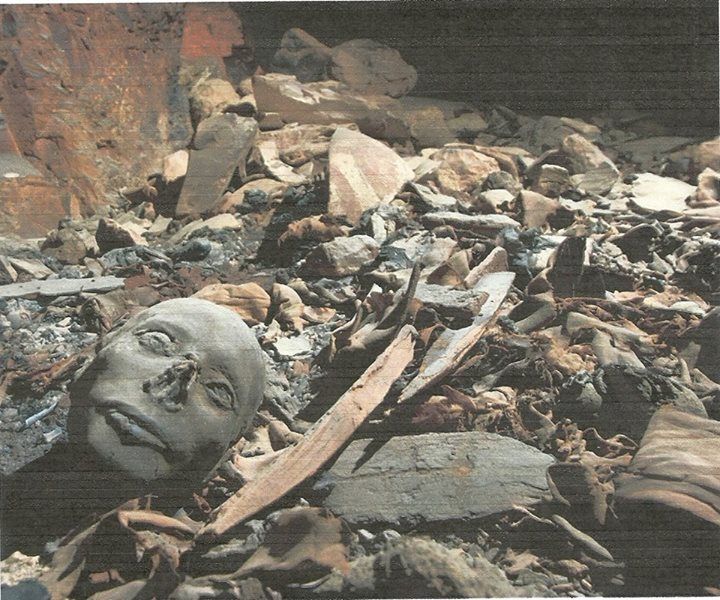
At least 50 mummies were unearthed in the Valley of the Kings, announced the Ministry of Antiquities on Monday.
These wrapped bodily remains, which are now being studied, are reportedly of women and young children and date back well over 3000 years.
It is believed that they are relatives of the Pharaohs Thutmose IV and Amenhotep III — rulers of the 18th Dynasty — who reigned over Egypt from approximately 1400 to 1350 BC.
Some of the mummies have been identified as the daughters and grandchildren of the two pharaohs. The names of these forgotten princes and princesses were discovered thanks to hieratic inscriptions — a form of cursive hieroglyphs — associated with their mummies and coffins.
However, many of the mummies are still to be identified, as the chamber in which they were found had been damaged by looters. While some of the mummies were found intact, severed mummified remains, limbs, bones, broken fragments from coffins, funerary masks, and scraps of cloth are said to have been found scattered throughout the burial chamber. Other remains are reported to have been burned by looters.
Rather than the ornate sarcophagi in which renowned pharaohs were laid to rest, many of the mummies discovered on Monday were buried in wooden coffins.
The excavation was carried out by a team of Swiss archaeologists from the University of Basel, in coordination with Egypt’s Ministry of State for Antiquities.
Further study and analysis of these newly found mummies is due to take place over the course of the year. Identifying the genealogical bloodlines and causes of death is a scientific process that is expected to take many months.
Located in Luxor governorate (formerly known as Thebes), around 500 kilometers south of Cairo, the Valley of the Kings was meant to serve as a secret and isolated burial ground for the Pharaohs, to protect their mummies, tombs and riches from grave robbers.
Built on the western bank of the Nile River during the New Kingdom, the Valley of the Kings served as the royal burial ground for approximately 500 years — from around 1500 to 1000 BC.
Nevertheless, many of these secretive royal burial grounds were also breached by grave robbers.
In 1922, archaeologist Howard Carter discovered the burial chamber and mummy of the minor teenaged Pharaoh Tutankhamen (King Tut) in the Valley of the Kings, which is likely the best-preserved tomb and royal riches of any Pharaoh found to date.

أخبار ذات صلة
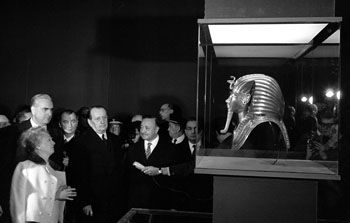
Looking back to see the present through the Grand Egyptian Museum
The coincidental nature behind the establishment of the Grand Egyptian Museum
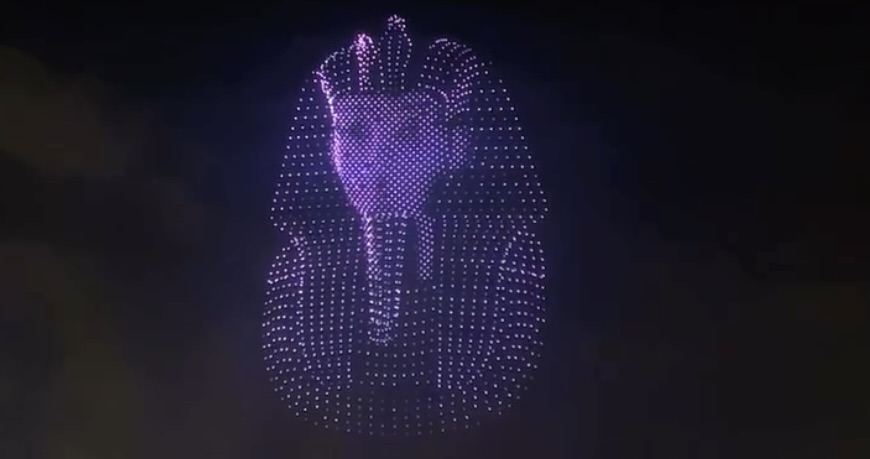
Staging a grand opening for the grand museum
In Cairo, sidewalks have been repainted, screens set-up and security measures tightened. People living nearby say fireworks have been test-run in Giza.…
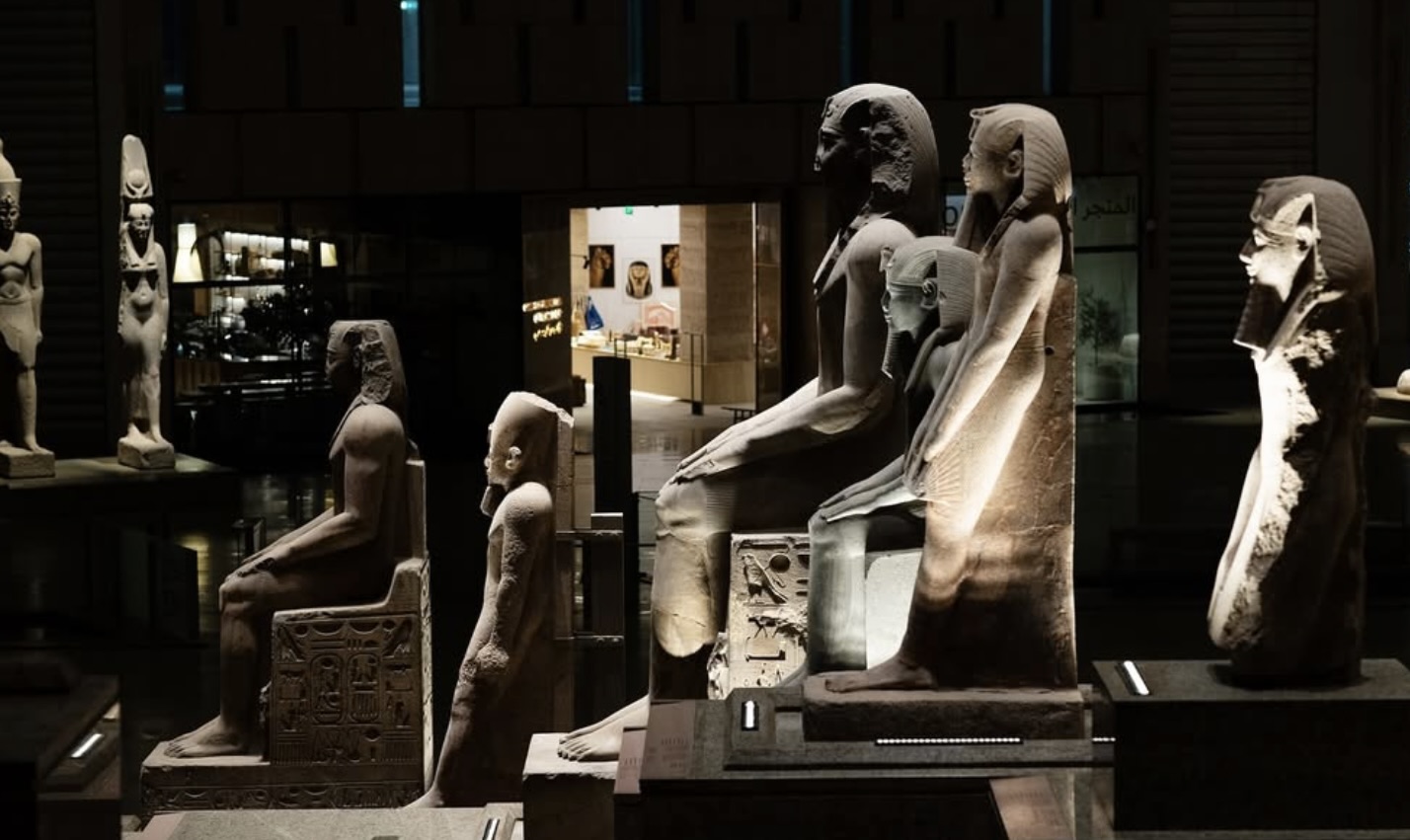
All around the Grand Egyptian Museum
The museum will not be open to visitors until after the three-day celebration
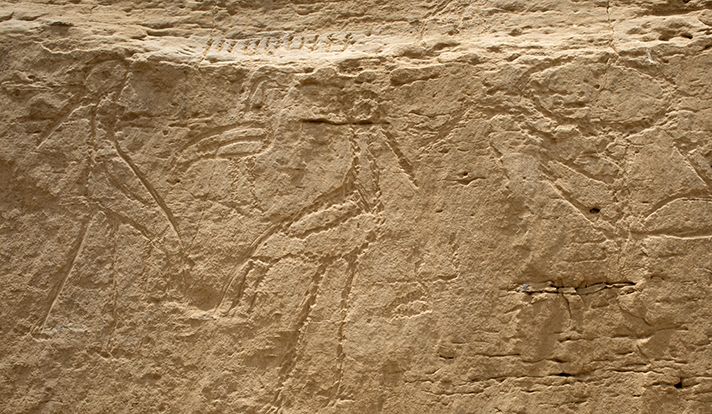
5,200-year-old rock inscriptions discovered in Luxor Governorate
A joint expedition of archaeologists from Yale University and the Royal Museums of Art and History was able to excavate several panels of rock…
Your support is the only way to ensure independent, progressive journalism survives.
You have a right to access accurate information, be stimulated by innovative and nuanced reporting, and be moved by compelling storytelling. Subscribe now to become part of the growing community of members who help us maintain our editorial independence.
Join us