
2,500-year-old tomb unearthed in Luxor
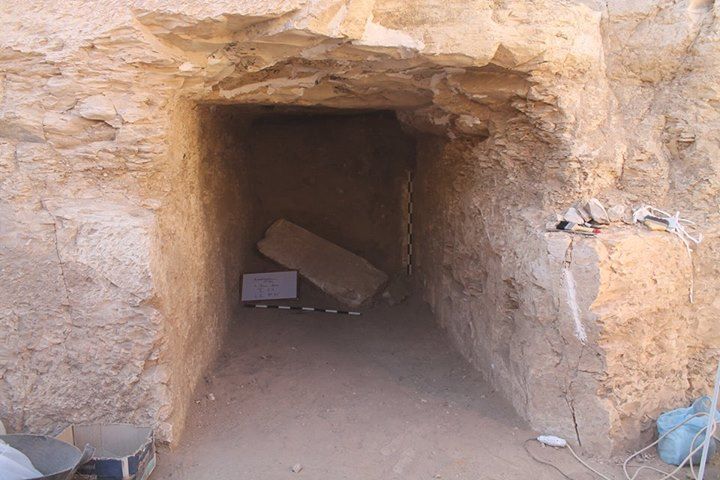
A joint team of Egyptian and American archaeologists unearthed an ancient tomb along the west bank of the southern governorate of Luxor, which is estimated to date back between 2,500 to 2,600 years.
This latest discovery was made by the archaeologists involved in the South Asasif Conservation Project. This tomb is said to have been unearthed in the western zone of this archaeological site.
According to a statement published on the official webpage of the Ministry of Antiquities on Sunday, the occupant of the tomb has been identified as the nobleman Padi Bastet, who is believed to have been a senior minister during the reign of the 26th Dynasty (circa 664 BC-525 BC).
Covered with hieroglyphic inscriptions and murals, Padi Bastet's tomb was discovered in the Asasif Necropolis of Luxor (also known as the Theban Necropolis), near the previously excavated tomb numbered TT 279 belonging to the nobleman and priest, Pabasa.
In light of his burial place, it is now thought that Padi Bastet was one of Pabasa's grandsons.

According to the statement, Padi Bastet's tomb was found within the tomb of his predecessor from the 25th Dynasty — identified as the Nobleman Karabasken, a local mayor in Thebes.
The tomb of Karabasken is among the first in the Theban Necropolis to be decorated in the Kushite/Nubian style.
Archaeologists from the South Asasif Conservation Project indicate that, in modern times, part of Karabasken's tomb was occupied by villagers and used as a stable for animals. This was reported to have resulted in structural damage and Arabic language graffiti now covers the tomb's murals and decorations.
The statement added that Padi Bastet had used Karabasken's tomb and took part of it as his own burial site.
Elena Pischikova, the American archaeologist overseeing this excavation (along with several earlier digs and discoveries in this same area) is cited as saying Padi Bastet's tomb occupies either the shaft in the courtyard of Karabasken's tomb or its main burial chamber.
Pischikova announced that further studies are being undertaken within these tombs in order to learn more about their owners, and about Padi Bastet's apparent encroachment on Karabasken's tomb.
Antiquities Minister Mamdouh al-Damaty, announced that this latest discovery is "of great importance," adding that such studies "would shed further light on the lives of senior statesmen living during this period."
Much of the history of the 25th and 26th dynasties remains shrouded in mystery and misinformation.
The 26th Dynasty of Ancient Egypt marks the beginning of the Late Period (circa 664-332 BC) after which both Egyptian culture and its ruling classes were sidelined by the country's new foreign rulers.

أخبار ذات صلة
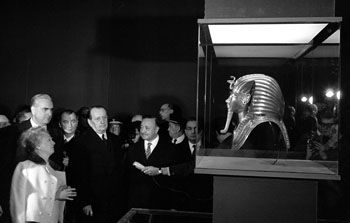
Looking back to see the present through the Grand Egyptian Museum
The coincidental nature behind the establishment of the Grand Egyptian Museum
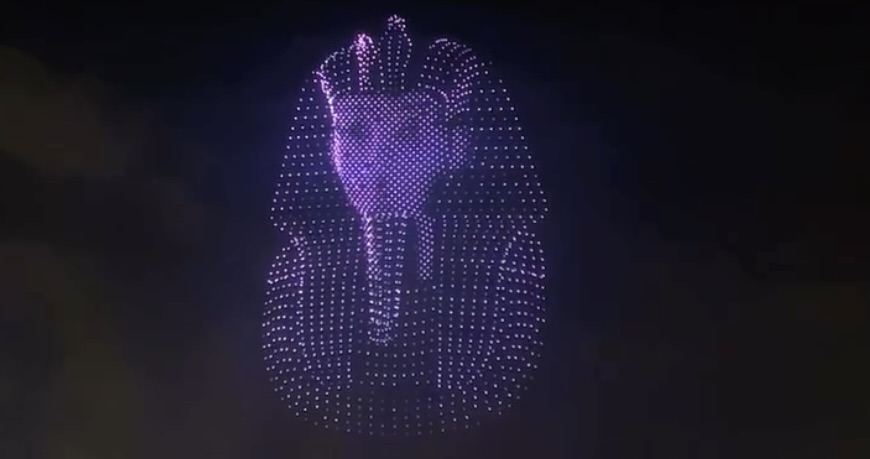
Staging a grand opening for the grand museum
In Cairo, sidewalks have been repainted, screens set-up and security measures tightened. People living nearby say fireworks have been test-run in Giza.…
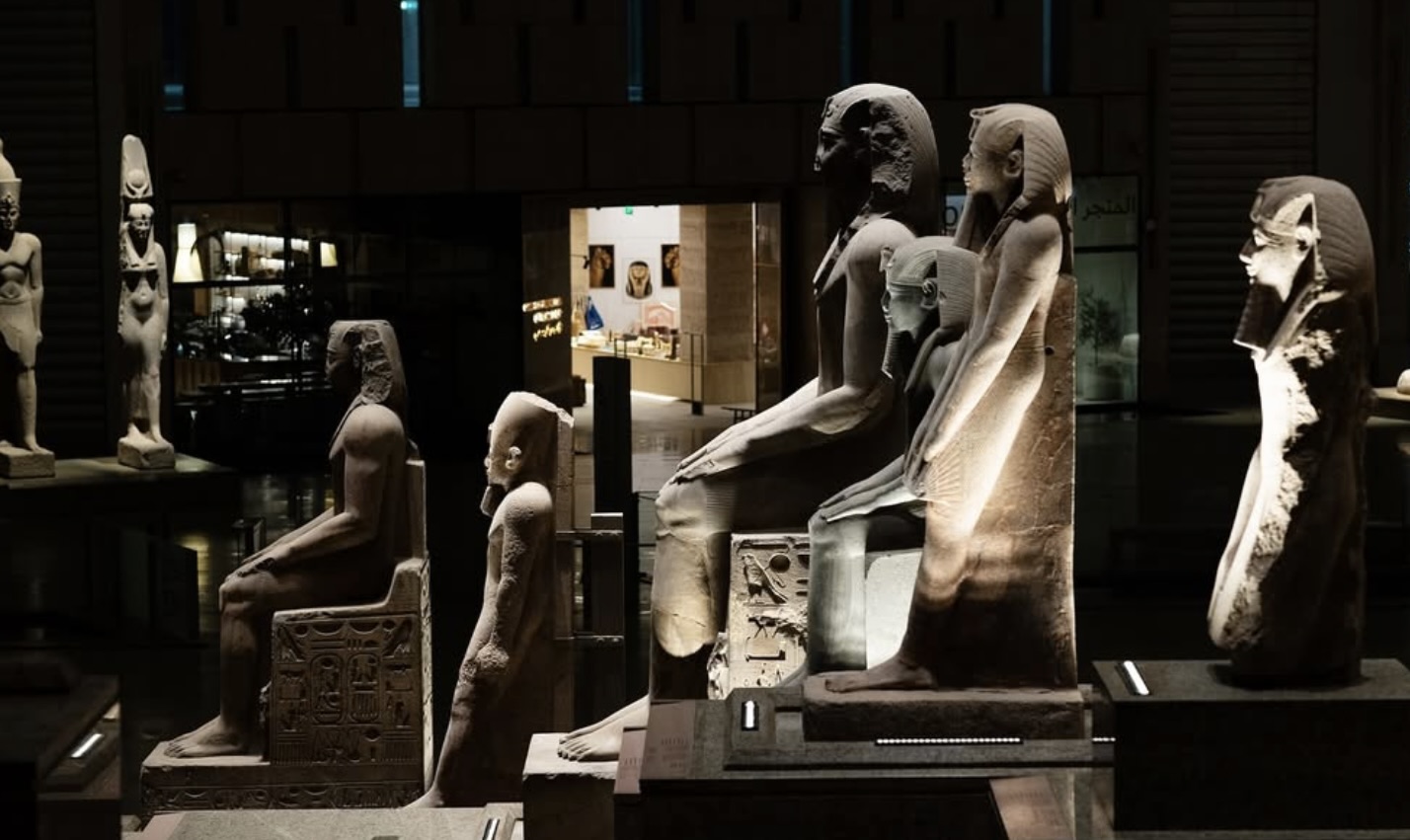
All around the Grand Egyptian Museum
The museum will not be open to visitors until after the three-day celebration
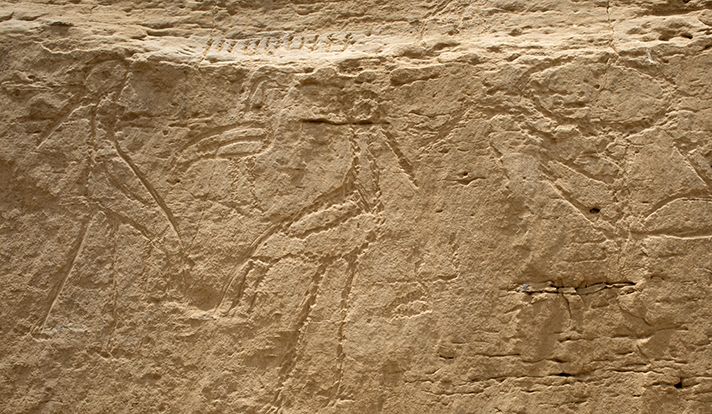
5,200-year-old rock inscriptions discovered in Luxor Governorate
A joint expedition of archaeologists from Yale University and the Royal Museums of Art and History was able to excavate several panels of rock…
Your support is the only way to ensure independent, progressive journalism survives.
You have a right to access accurate information, be stimulated by innovative and nuanced reporting, and be moved by compelling storytelling. Subscribe now to become part of the growing community of members who help us maintain our editorial independence.
Join us