
Why cooking is for everyone
Welcome to “A Cairene Cook”, a weekly food column that will be published every Thursday, just in time for the weekend, focusing on sharing seasonal recipes, techniques and an array of other tips to make you a better cook.
The pandemic has made a lot of us question what is and is not essential in our lives. And one thing that some of us have turned to is cooking — if not just for the essentiality of it, but for the pleasure and comfort that making food can bring in this otherwise chaotic moment.
Friends who have never cooked in their lives called to ask what the word for cilantro was in Arabic and what to do with it. Others baked bread and stuffed pigeons while on the phone to their mothers. But I noticed that there was still a large contingent of people around me who were intimidated by the idea of cooking. As though if they went out and bought some ingredients for a recipe and then tried to cook it, they would fail and it would be their undoing.
But food is our land, our history, our tribe, our destiny. We cook to seduce, to entertain, to comfort, to mourn, to entice, and now to prevail. The memory of the food we eat as children literally stays with us forever.
In the age of self-care and wellness, it’s strange that more of us don’t embrace the notion that what we cook and eat is the most fundamental way we can take care of ourselves and the people around us. Something about modernity, and the urgency with which we go through our days; the cult of busyness that we have convinced ourselves is meaningful has turned cooking into a spectator sport. Millennials are voyeurs who will watch 20 episodes of Chef’s Table, try keto and yoga and go vegan before we’ll ever contemplate why we don’t really know how to cook or buy ingredients.
I think part of the reason my friends don’t believe me when I tell them cooking is for everyone is that recipes aren’t really written for everyone. They often are not tested properly before publishing and lack the most basic and important instructions.
I’ve always believed that iّf every recipe had an addendum attached to it under the title “Important Secrets to Make this Recipe Work” there would be fewer people resentfully throwing out undercooked chickens and ruined cake batter in their kitchens.
Because there are a million secret tricks to making something delicious. And not telling people these outright is like gifting someone an unassembled piece of furniture from Ikea minus the Allen key.
But you will pick up these tricks along the way. You don’t need any wild accessories or an abundance of space to get started. Just a sense of curiosity and a stove. A truly excellent plate of pasta, a roast chicken to die (and live for), the kind of molokhia that would make your grandmother cry. Yes, these are all very doable things that can soon be part of your repertoire.
The first thing you need to know is that cooking is unpredictable. As in life, you will fail. You will make mistakes. But you will also learn. You will experience satisfaction. And wonder. And maybe even elation. Just start. Cook, eat, repeat. I swear it works.
One of the things I hear most often is that cooking is time-consuming. But the human brain is wired toward repetition, meaning that the more you cook the more intuitive it will become. If you keep going you will develop a memory of taste (the white people equivalent of the Arabic word nafas) like that of the cooks around you who seem to just know what a dish needs.
In the way that they say reading teaches you how to be alone, cooking will teach you how to be patient and give your complete attention to what’s in front of you. Put down your phone for one freaking second. I dare you.
Slow down, put on some music and enjoy the journey. An alcoholic beverage can also enhance the experience. Or not, whatever works for you.
One last thing: forget about mastery, perfection and achievement. Embrace pleasure.
Or, as Fergus Henderson says:
“Do not be afraid of cooking, as your ingredients will know and misbehave. Enjoy your cooking and the food will behave; moreover, it will pass your pleasure on to those who eat it.”
On that note, here is a recipe that is perfect for starting out small while making something that is lavishly satisfying. It has just a few ingredients. And it has the important addendum I mentioned earlier attached to it. You’re welcome.
*Ps make sure you read the whole recipe before you start cooking, so you know exactly what equipment and ingredients you will need before you start.
For more updates and videos on the recipes featured please follow @acairenecook and @madamasrkitchen on Instagram
For a weekly playlist to go with each recipe published head to Mada Masr’s Spotify account
We would also love to hear your feedback on any comments on other things you would like to learn about cooking. Please email us on [email protected]
****recipe below****
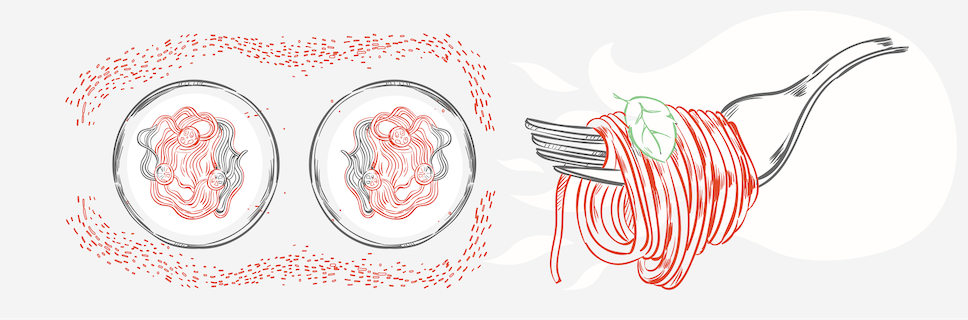
Pasta for times of happiness and crisis

Serves 4
Cooking time: Just over 1 hour
2 cloves of naturally grown garlic, peeled and sliced
2 tablespoons of good quality olive oil (using a normal spoon to measure)
7 ripe, medium-large tomatoes cored and cut into quarters
3 generous tablespoons of butter (optional)
Sea salt
Large handful of Parmigiano Reggiano cheese, grated
450g of spaghetti
Get a large, flat plate. Cut the top off each tomato, then use a small knife to take out the core of the tomatoes the same way you would an apple. Then cut each tomato into quarters. You will now have a pile of juice on the plate, hold on to it.
Put a frying pan on low to medium heat and add the oil and garlic to the pan. Make sure not to preheat the pan before putting in the oil as you don't want the garlic to sizzle and change color. Rather, you want to gently fry it for two minutes.
Now pick up the tomato pieces and add them to the pan with the garlic. Then get a strainer and tip the plate of tomato juices over the strainer into the pan so you get all the juice but leave out the ton of seeds. Discard the seeds in the strainer. Add a generous pinch of salt to the pan and cook the tomatoes on medium-high heat for 15 minutes.
Turn down the heat to low and add the butter. Cook the sauce on a gentle simmer for another 30 minutes or so. Keep the sauce on the lowest heat while you are making the pasta. Get a large pot and fill it almost to the top with water. Bring to an aggressive boil and just before you add the pasta add a very generous handful of salt to the water. Add pasta immediately after and stir once just to make sure it’s all submerged in the water. Put a timer on and cook for 11 minutes till just al dente. Resist the temptation to continuously stir the pasta while it’s cooking (you will end up with a gluey mess of goop).
Now bring everyone to the table so they are assembled and ready to eat by the time you are serving. (This pasta like all pasta is time-sensitive and will taste much better if eaten hot straight out of the pan).
When the pasta is almost ready, stir it briefly once more and then collect some of the now starchy pasta water in a cup and put aside. Strain the pasta quickly and put it back into the pot, add the sauce, toss and add a little of the pasta water if needed to loosen the sauce and make the pasta silky. Serve into plates and dust with plenty of parmesan.
Important Secrets to Make this Recipe Work
Tomatoes: The most important thing you need to know about tomatoes is never, ever put them in the fridge, because as soon as they are refrigerated they lose flavor. Rather, buy what you need and keep them on a plate in your kitchen. Next, for this and other pasta sauces you need really ripe tomatoes so try to buy them like this. If you have tomatoes at home that aren’t ripe put them in a sunny windowsill or balcony to naturally ripen them over a few days.

Parmesan cheese: is an aged hard cheese made in Italy. It is comparatively expensive but a little bit of this will change all your cooking as this cheese works in so many dishes and is a literal flavor game changer. It’s also full of calcium and low in lactose. And, and be sure not to throw away the rind. Rap it in cling wrap and keep in the fridge to add to soups and sauces later. The rind has incredible flavor that will diffuse into a chicken soup for example like a charm.
Pasta: Something that I notice often in Egypt is people cooking pasta in tiny pots like the size you would boil an egg in and for a long time. Pasta needs an abundance of generously salted water and a large pot so it has room to move it can cook properly. Don’t overcook it because even when you take it out of the water and or add it to the sauce it’s still cooking. That’s why al dente is so important. Same goes for stirring it. Every time you stir it you are aiding the release of starch which is what you want at the end so that the sauce clings to the pasta properly. But stir too much and too early and you will have gluey overdone pasta. Also never wash pasta when it’s cooked or add oil to the pot while the pasta is boling.
Salt and olive oil: As you can tell with these tips so far. Is that it’s the simple things that make all the difference. Same goes with salt and olive oil. Ditch the table salt altogether if you can, like literally throw it in the bin and never use it again, because it’s beyond processed and it doesn't flavor food well and opt instead for a natural rock salt. Same for Extra Virgin Olive Oil. You want it to be cold-pressed and preferably made by a small group of humans and not off a mass-production conveyor belt.(I’m going to talk soon about some local Egyptian producers who you can buy good olive oil from) It’s much better for your health than the Omega 6 heavy Vegetable Oils commonly used for cooking here in Egypt and your food will taste so much better.
A caveat on spices and seasonings: More is not always better, often it’s just more. I say this in specific reference to the overuse of dried spices and other such things. Step away from the dried oregano and thyme and whatever else you are thinking of throwing into this. Each set of flavors is complemented by particular things ie this sauce in summer would do well with some fresh basil sprinkled on top. Some dried chili could also work. But that’s about it. Parsley goes well with spicy pasta dishes and rosemary goes well with braised meat sauces. Fresh thyme is delicious with a mushroom sauce. But this sauce is already rich from butter, garlic and olive oil so you want to keep it simple.
تقارير ذات صلة
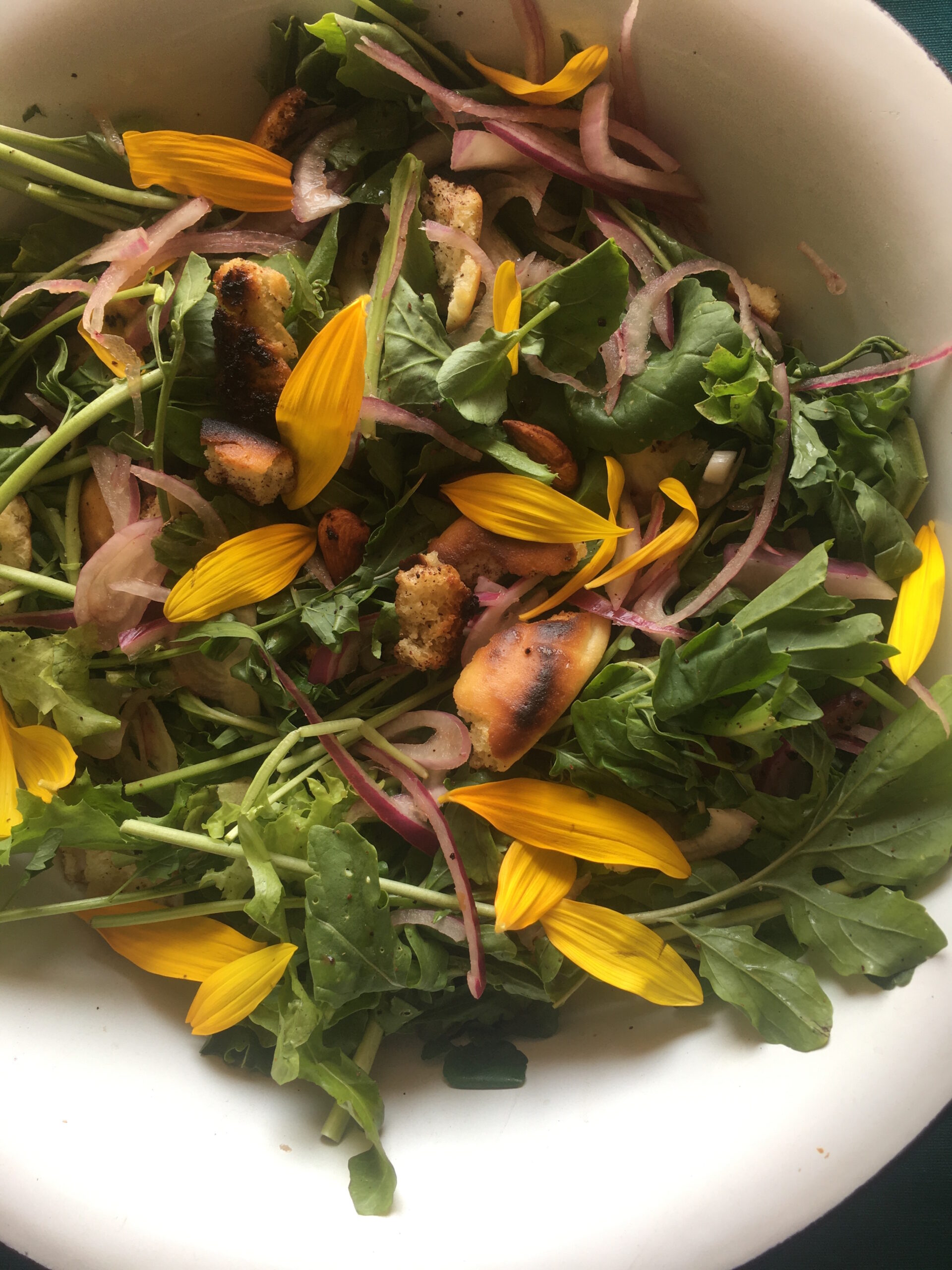
What to cook when it’s 40 degrees
Now that the heat is here to stay, I tried to think of a few easy and fuss-free dishes.
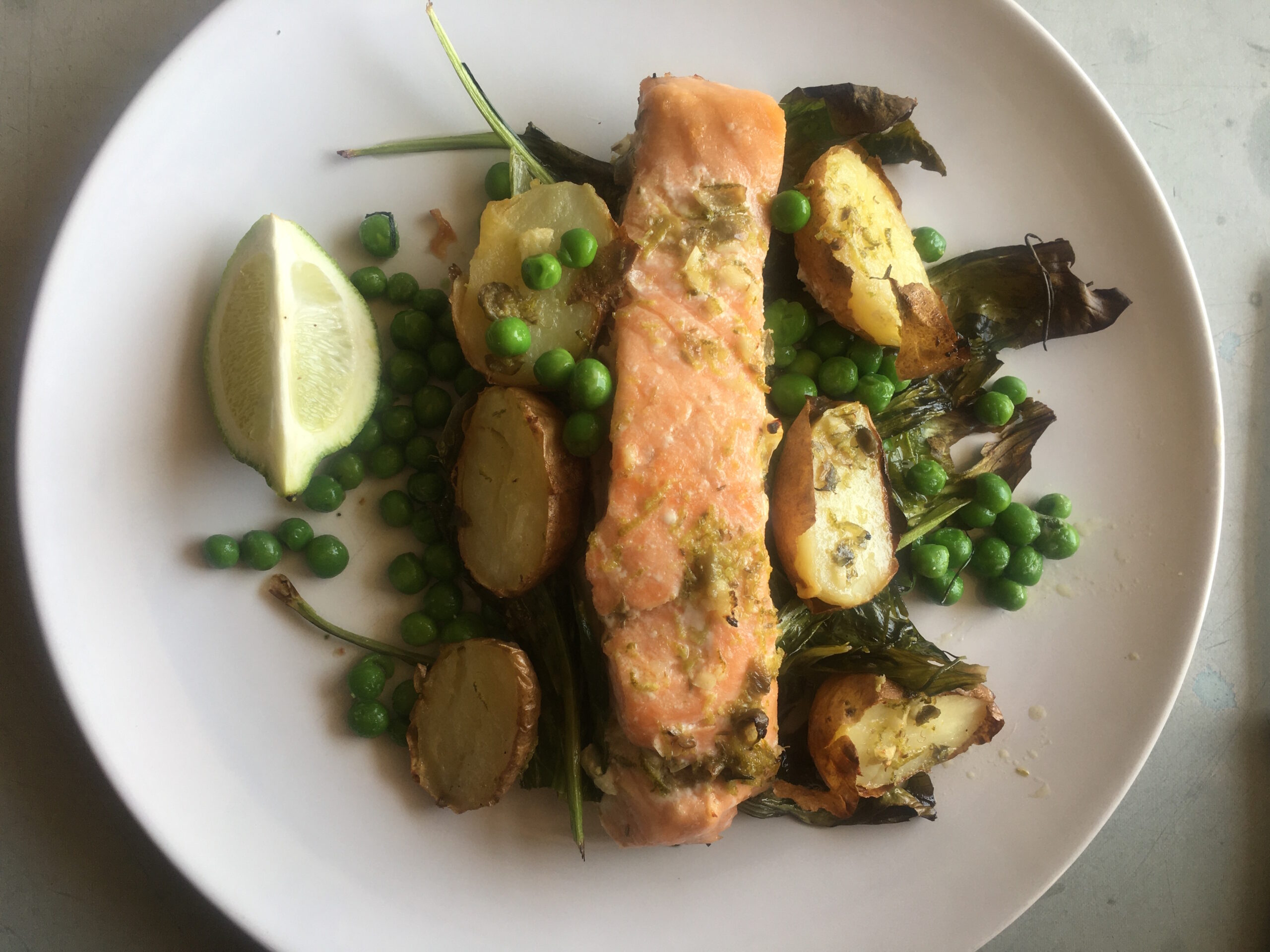
A very delicious baked fish with potatoes, peas, spinach
You want to develop a relationship with someone who is catching and selling their fish the same day.
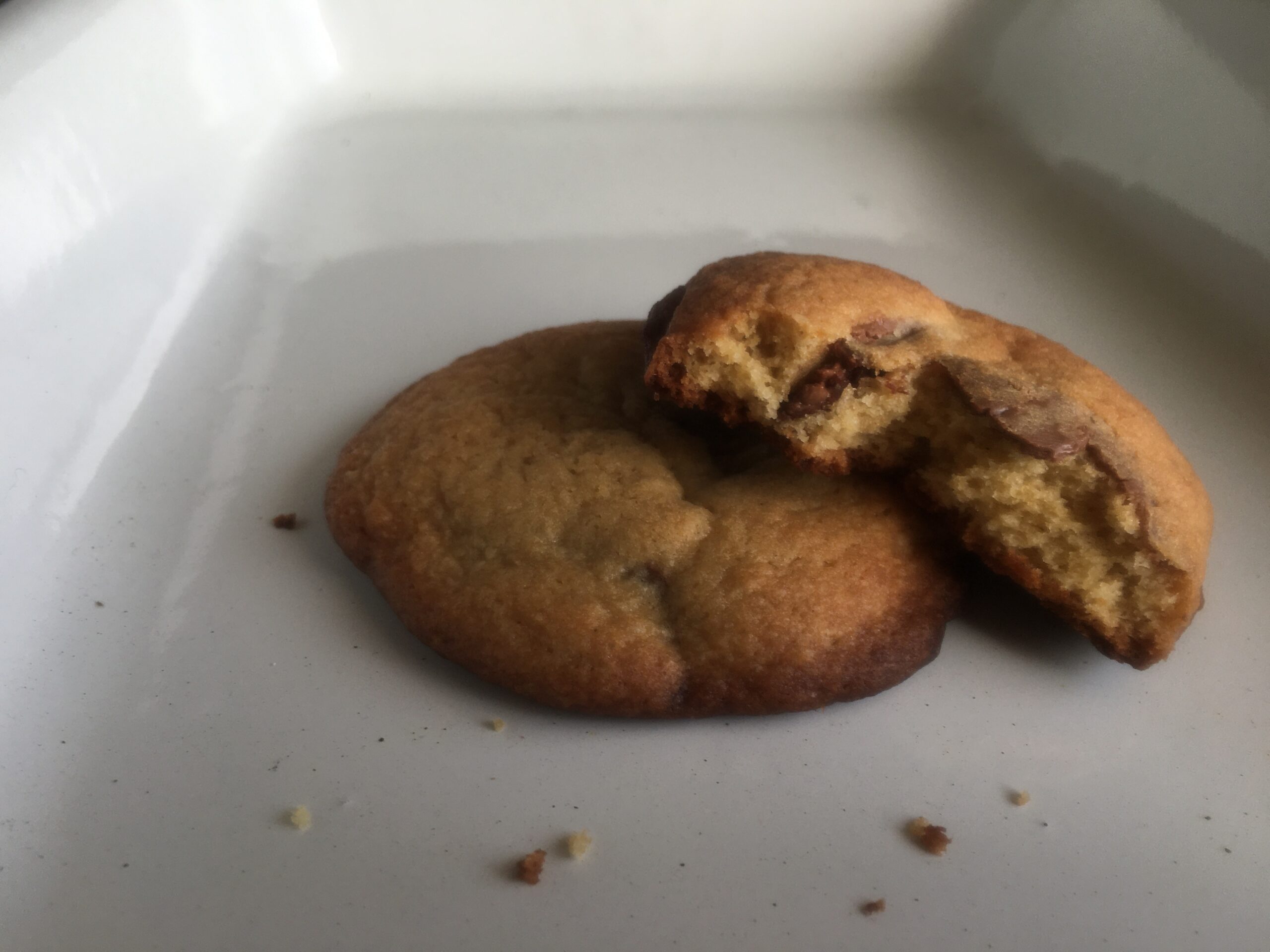
The only cookie recipe you will ever need
This finally explained to me why one cookie could be so drastically different to another.
Your support is the only way to ensure independent, progressive journalism survives.
You have a right to access accurate information, be stimulated by innovative and nuanced reporting, and be moved by compelling storytelling. Subscribe now to become part of the growing community of members who help us maintain our editorial independence.
Join us