
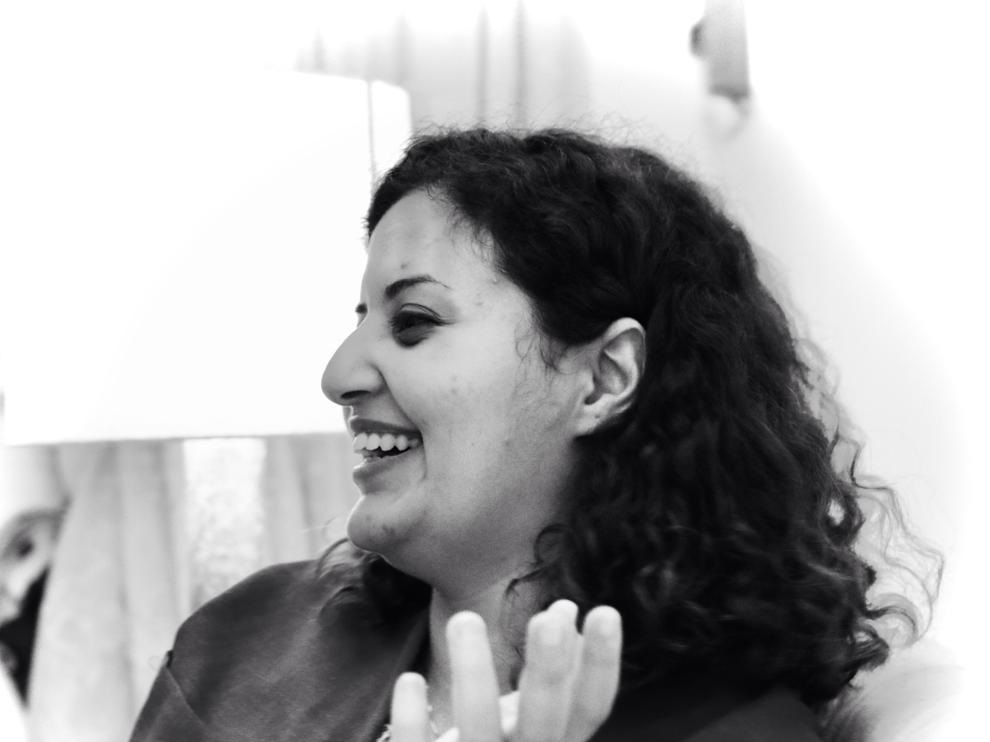
We had the privilege to work with Waad Ramadan from 2016 to 2019. In these years, Waad tried to reframe the way we do economic journalism, mediating the practice through her intellect and empathy and, most importantly, her deep desire for a more just world. The inequalities that surround us were her analytic bedrock. When Waad sat down to think through a story, she wouldn’t produce one story idea but 500. Each was a new way of looking at things, of asking who benefits and who is left out by a particular political situation — a push against the technocratic logic of necessary solutions. She tried to look at labor issues not just as sites of suffering, but as places for ingenuity and political resistance, both big and small, an inquiry that she took on further in her academic journey. In journalism and academia, she was looking for ways to express that were honest, precise, and flowing seamlessly.
With some of us, she shared photos of her cats and animal videos. These might have been silly — Waad was always joking that her cats Meshmesha and Carmella were more in control than she was — but they were always a way of uplifting those around her. Others insist that we mention the new dresses she was always so proud to wear, how she would come up to us with a smile to ask what we thought of her new clothes. She brought dresses to our wardrobes that were more than dresses. They were ways of finding happiness in each day.
With others, she participated in a book club in a quest to read in community. She was always in search of new ways of looking at the world. A few weeks ago, she asked if someone had the complete works of Yehia al-Taher Abdallah, the poet of short stories who died tragically at the age of 43. She said she had been thinking about his writings a lot. Then she asked again. She was sad she had lost her copy, she said. He is the most present writer in her mind these days, she said. A friend got her a copy, but it was too late.
In 2018, Waad was our staff representative, and, through this position, she tried to show us how things as complex as power and pain have manifestations and workings that often escape our attention. For Waad, what it meant to be progressive wasn’t to just fight against injustice out there, but to take us each by the hand, sometimes to shake us, in order to show us how we too are sometimes caught up in the things we are fighting against without knowing. She showed us that we should keep trying harder, to never feel comfortable where we are. Until her last days, Waad showed us ways to build ever-new traditions of care. One of them was writing letters to each other. We wish to learn from her. We will learn from her.

تقارير ذات صلة
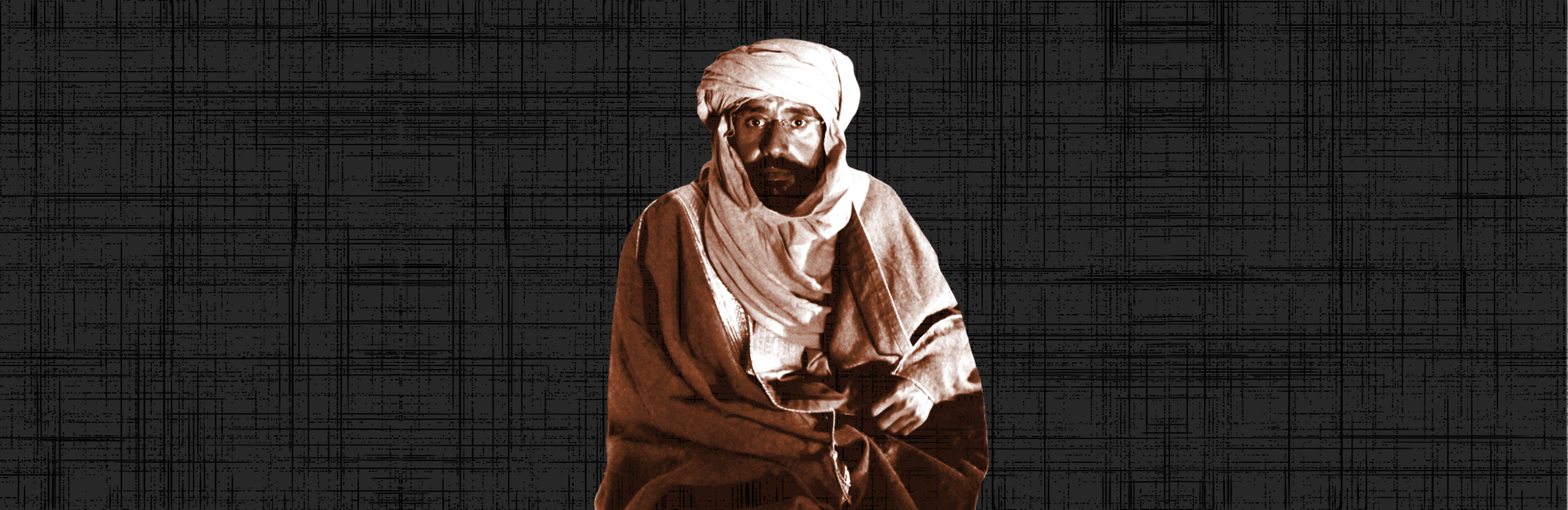
Saif al-Islam: The death of a myth
Saif al-Islam Qadhafi, from power’s pinnacle to Zintan’s mountains and the shadows of myth

linuxawy: Let’s free the world
To see the moment it all began, you have to get in a time machine, back to a now defunct blog
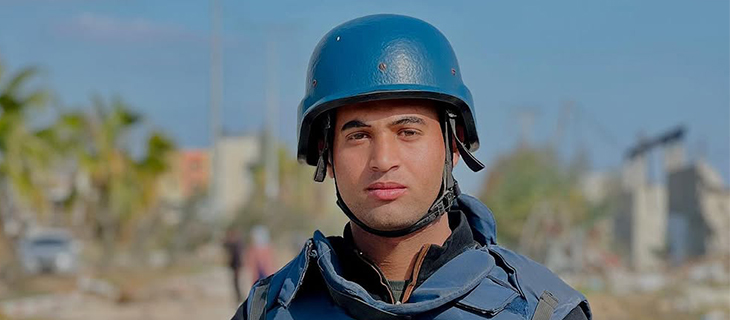
Hossam Shabat’s last article
Hours before he was killed in an Israeli airstrike targeting his car, journalist Hossam Shabat wrote about Israel's resumption of its scorched earth policy in Beit Hanoun, his hometown. This…
Your support is the only way to ensure independent, progressive journalism survives.
You have a right to access accurate information, be stimulated by innovative and nuanced reporting, and be moved by compelling storytelling. Subscribe now to become part of the growing community of members who help us maintain our editorial independence.
Join us