
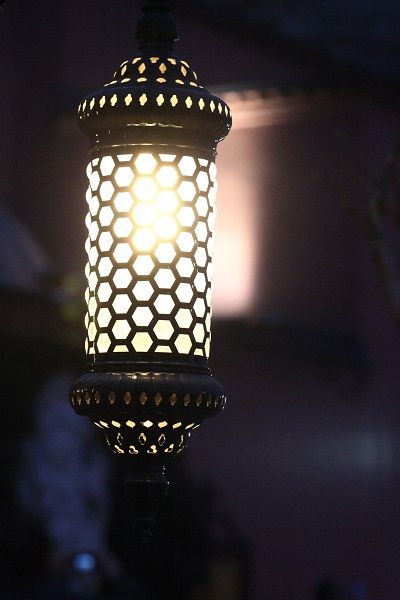
Troubled Cairenes hope Ramadan brings peace
After the crescent moon was finally spotted, the holy month of Ramadan began on Wednesday. While many plan for Ramadan to be about spirituality and reflection, often food is the true focus of the month. On the eve before the first day of fasting, restaurants and cafes were already packed with food and life lovers, gathering to discuss political issues and the month ahead.
This year, despite recent killings, disputed changes in the government and a general gloom cast across the country, many Egyptians hope that the Muslim holy month’s peaceful message will calm all parties, opening hearts and minds to forgiveness and inclusion.
“I hope people will find peace during this month,” says Ahmed Farid, 34, sitting by the Nile at a cafe in Giza. Farid believes that the spirit of Ramadan will bring a “cease fire” to the streets of Cairo and the other governorates, after dozens were killed on Monday in one of the bloodiest days of violence after the ouster of former President Mohamed Morsi on July 3.
A group of girls drink coffee at a cafe in Zamalek. “We’re heading up to the North Coast for Ramadan,” says Asmaa Hakim, 27. “There’s no point in adding traffic and heat to an already difficult month of fasting,” explains her friend, Samya Ibrahim. Now that Ramadan falls in the hot summer months, restaurants and businesses on the Mediterranean have Ramadanized their offerings and schedules to encourage people to stay at the beach during the holy month.
But Safeya Ibrahim, a shopkeeper in the pyramids area, is less concerned with politics or beach holidays this summer. “Let people focus on helping the poor rather than fighting their political battles,” she offers. The past two years of political turmoil have taken their toll on the nation’s economy, and the tourism sector in particular. For those in the pyramids district, tourism is a lifeline, and the disappearance of tourists has meant those already struggling are now at risk of starvation.
Over in Nasr City, though, Ibrahim al-Samman, a student at Ain Shams, can’t help but focus on the current political climate this July. “We can’t move without fear of getting caught in something,” he explains. “It’s good that the anti-Morsi organizers have chosen to reach out to the Muslim Brotherhood.” Many hope that this attempt at reconciliation will offer an end to the violence that marks the debate over the legitimacy of Morsi’s presidency in light of the popular uprising of millions of that began on June 30 and ultimately led to the president’s downfall, and bring peace for the holy month.
But from a child's perspective, this religious occasion is also a moment to put politics aside and be lighthearted. “I hope people remember to have fun this Ramadan,” says Shahira Ismail, 14, a student in Maadi. For this teenager, Ramadan means staying up late and eating her favorite foods. During the holy month, families gather for iftar and young people meet friends over sohour, eating till sunrise to prepare for this summer’s long, 10 to 12 hour days of fasting.

Nevine El-Shabrawy
Nevine is the creative brains behind the Life & Society section. A mother of two and a hardcore feminist, Nevine’s wit and insight are translated into her writings.
تقارير ذات صلة
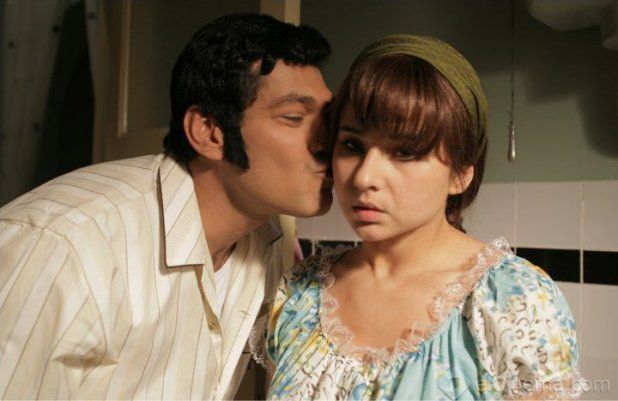
‘Zaat’ and her bathroom – and television
There was a very popular television commercial for an Egyptian ceramics company in the early 1990s, which used “demolish your old bathroom” as its catch phrase. This expression then permeated…
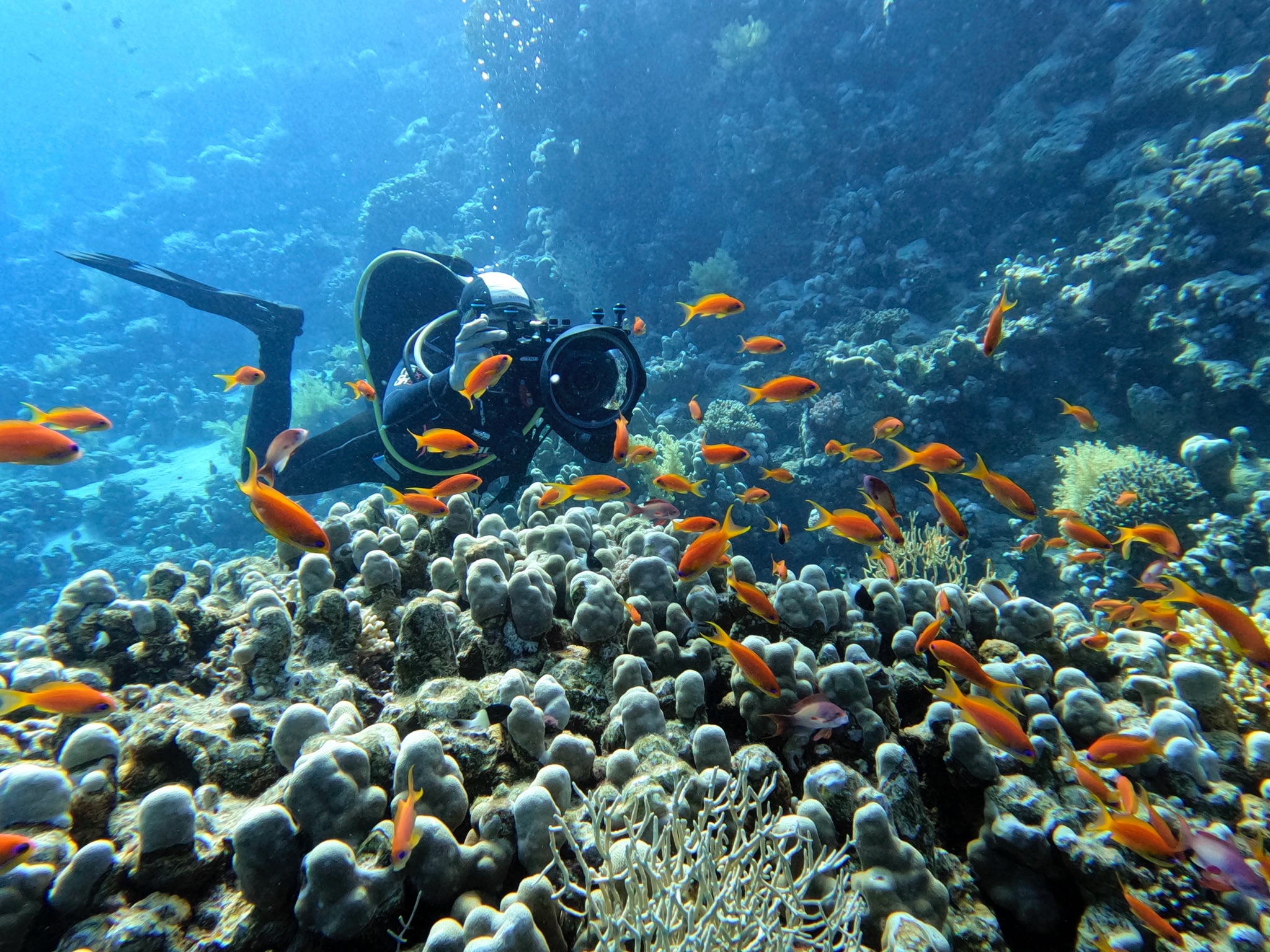
Welcome to Sharm el-Sheikh: President’s City, City of Peace, City of COP27
Beneath the mask the city’s donned for COP27 are the marks of years of uncalculated redevelopment

Daily COVID-19 roundup: July 19
Though tourists have been arriving since July 1, the Chamber of Tourism has said it's not enough.
Your support is the only way to ensure independent, progressive journalism survives.
You have a right to access accurate information, be stimulated by innovative and nuanced reporting, and be moved by compelling storytelling. Subscribe now to become part of the growing community of members who help us maintain our editorial independence.
Join us