
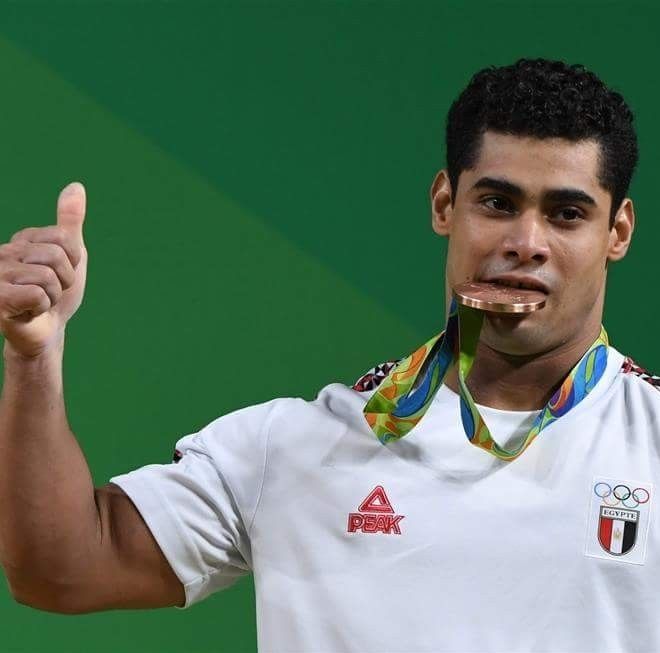
The stories behind Egypt’s Olympic champions
Egyptian weightlifters Sara Samir and Mohamed Ehab won Egypt’s first two bronze medals at the Rio 2016 Olympics, but the struggles that preceded their success remained mostly unknown before Wednesday.
A number of Egyptian Olympic athletes have risen to fame in the past. During the Athens 2004 Summer Olympics wrestler Karam Gaber won a gold medal, while boxers Mohamed Ali, Ahmed Ismail and Mohamed al-Sayed won a silver medal and two bronze medals respectively. Gaber collected another silver medal in London in 2012, along with Alaa Eddin Abul Qassem, who took home a silver medal in fencing. But Gaber’s Olympic career came to an end last year when he received a two-year ban from United World Wrestling for violating the anti-doping policy.
As the main focus of Egyptian sport fans has been football, the government and private sector have channeled most of their support to the sport. As such, Olympic athletes complaining of negligence that leaves them without proper resources and state support.
Samir and Ehab are among those who found participation in the Olympic events to be marked by bitterness. Immediately after winning her bronze medal, Samir, who at 18-years-old is the first Egyptian female athlete to medal at the games, told reporters that preparations for competition prevented her from taking her high school exams and that she is unwilling to sit for a second round. Mahamed, Samir’s brother, reiterated her frustration in a Wednesday interview with the CBC satellite channel.
“We asked if Sara could postpone her exams until the Olympics end, but no one listened to our pleas. She got her certificate today with failing grades in all subjects. We got the certificate a few hours before she won. Sara’s reward this year is failing her exams,” her brother Mohamed said.
However, Education Ministry officials stated on Thursday that Samir did not submit any request to postpone her exams.
The Olympian hails from the Ismailia governorate’s Suez Canal City. She began her career in weightlifting when she was 11-years-old, and finished fourth in the World Wrestling Championships held in the United States last year. She also won a gold medal in the Summer Youth Olympics in China in 2014.
Mohamed Ehab has a similar story of struggle. Immediately after winning his bronze medal, Ehab took to his Facebook page, writing: “I sincerely thank those who stood against my success, because they planted the spirit of challenge in me.”
Prior to traveling to Rio de Janeiro, Ehab gave an interview where he complained about the meager financial compensation he had received. “In 2014, I won one silver and two bronze medals in the World Championship. I only received LE150,000 for the silver medal and 25 percent of the original payment for the two other medals, because they cannot pay a single athlete the complete compensation, which I believe is unfair,” he said.
In the 2015 Arab Weightlifting Championship, Ehab won a gold medal, but did not receive any financial reward.
Despite his decorated success representing Egypt in international competitions, Ehab was prepared to leave the country at one point. Following the January 25 revolution and the dissolution of the Egyptian Weightlifting Union, the weightlifter applied for Qatari nationality to represent the Gulf country. “I had to completely spend on myself, and I was banned for two years. When someone falls in our country, no one rescues him. I stayed for two years without any financial support. Officials spend millions, but Olympic athletes do not get the appreciation they deserve. I get LE2,000 per month,” Ehab stated.
In addition to competing as a world-class weightlifter, Ehab is an accountant in Egypt’s main state-owned electricity company. “When one is subject to injustice, he has the urge to win,” he said.
After their success, Egypt’s military expressed pride in Samir and Ehab, calling them “children of the Armed Forces.”
In an official statement published on Thursday, Armed Forces spokesperson Mohamed Ali celebrated the weightlifters’ accomplishments, attributing their success to the military. “Behind this notable achievement,” the statement read, “is the ongoing coordination between the Armed Forces’ sports department, the Youth and Sports Ministry, the Egyptian Olympic Committee and the Egyptian Weightlifting Union, who all come under the support given to sports and athletes by Minister of Defense Sedky Sobhy.”

Mai Shams El-Din
Mai graduated from the American University in Cairo with a degree in journalism. She worked mostly for local English-language news outlets but has also been writing in Arabic, particularly when…
تقارير ذات صلة
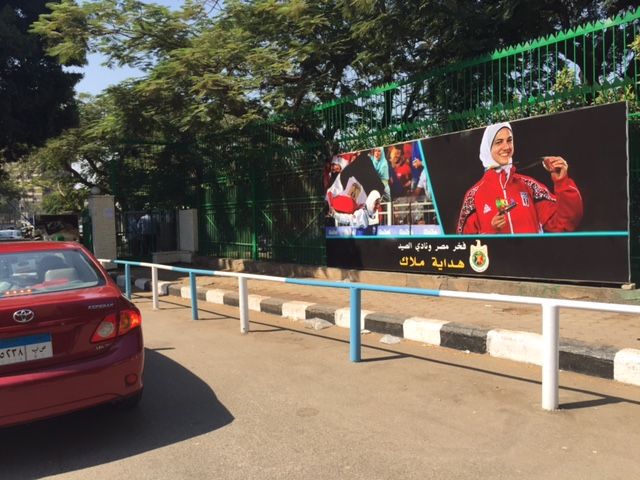
Making room for women in sports
Will the performance of female athletes in Rio lead to greater investment in women in sports in Egypt?
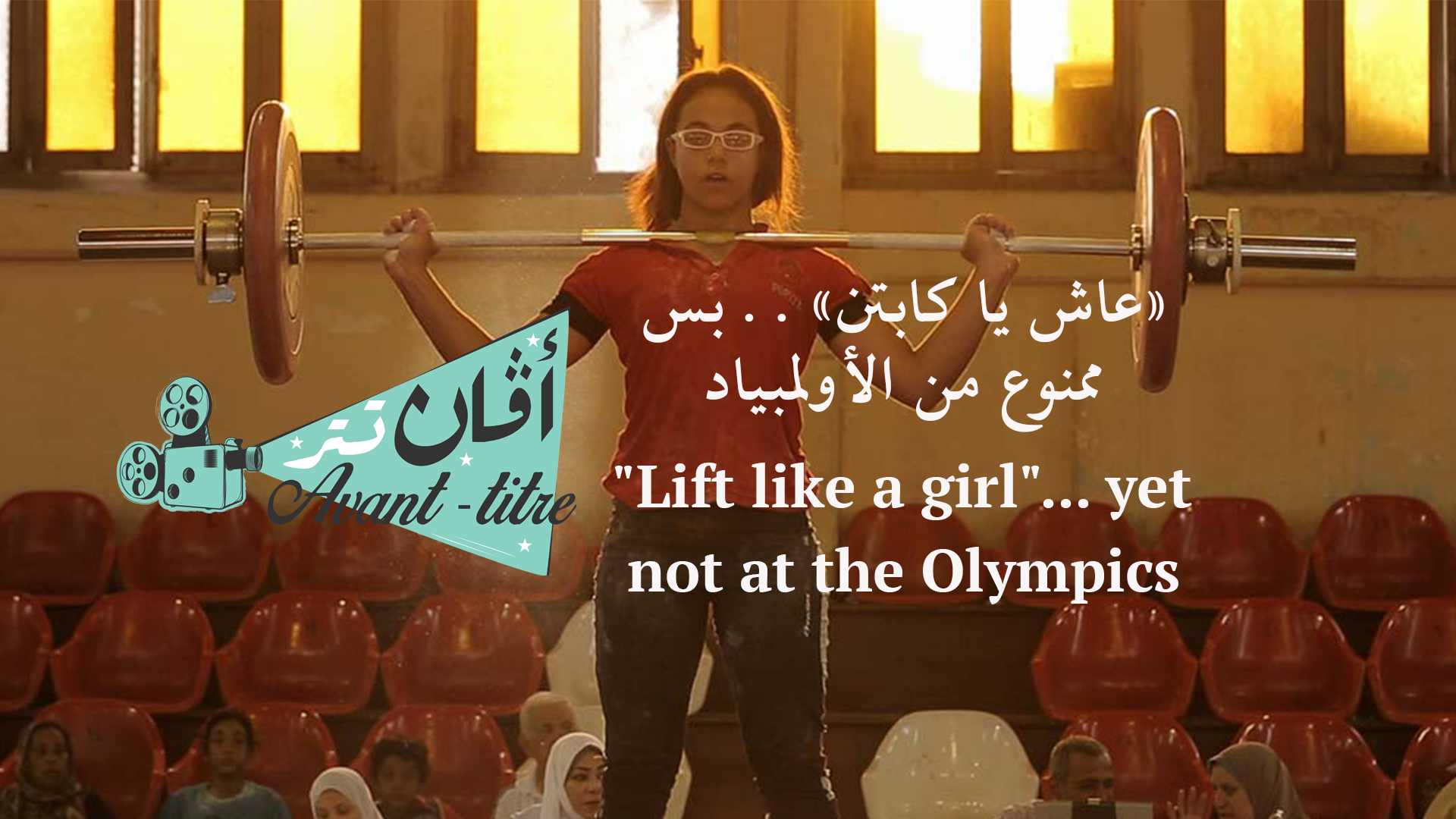
Video | Avant-Titre: “Lift like a girl”… yet not at the Olympics
Bassam Mortada engages with Egypt's history of Olympic weightlifting in a new Avant-Titre episode
City Club: Investing in provincial middle-class dreams
The main driver of increasingly distinct class enclaves in Egypt has been expanding privatization
Your support is the only way to ensure independent, progressive journalism survives.
You have a right to access accurate information, be stimulated by innovative and nuanced reporting, and be moved by compelling storytelling. Subscribe now to become part of the growing community of members who help us maintain our editorial independence.
Join us