
The never-ending nightmare of Giza Zoo’s animals
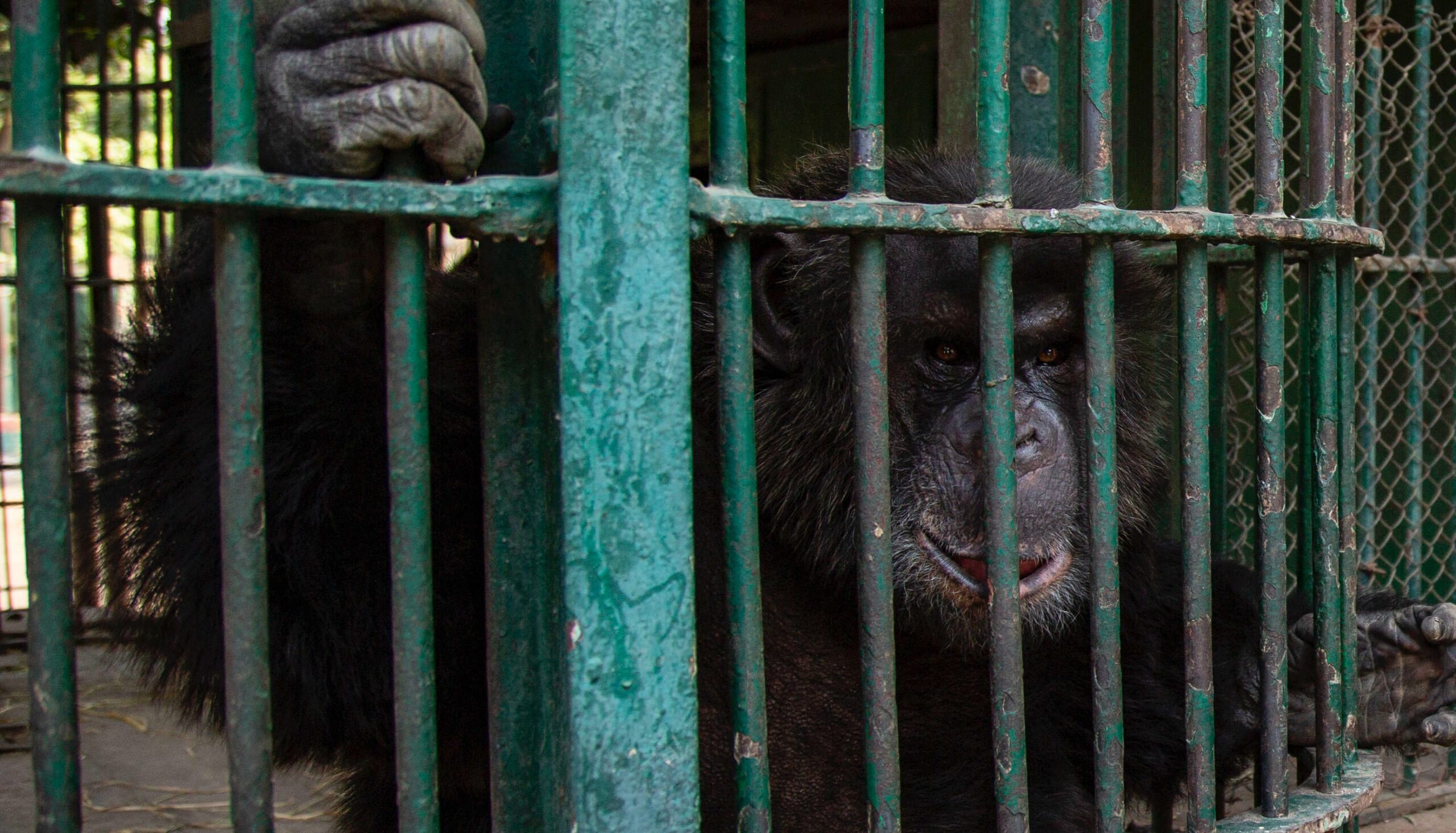
On a sunny day over the summer last year, Dodo, Giza zoo’s youngest chimpanzee, heard the sound of excavators near the area where he and six other chimpanzees were kept amid the renovations at the park. The high-pitched noise of the machines gave him a panic attack.
“As soon as Dodo heard the sound, he spent almost two straight hours screaming and jumping around in his cage,” a former Giza zoo employee tells Mada Masr on condition of anonymity.
While Dodo was filled with panic, the source tells Mada Masr, the new keepers appointed by the public-private consortium in charge of the renovations did not take his cries for help seriously.
“They assumed it was just normal behavior — that whenever chimpanzees see something new, they react this way,” the former employee says, adding that the new keepers in charge didn’t see the need to immediately report the incident.
After hours in panic, Dodo collapsed on the floor and lost consciousness, and although a specialist was called in to try to resuscitate him, “they couldn’t make it in time,” the source says.
Dodo was not the only one. Animal rights activists and a former employee at the zoo tell Mada Masr that many animals, including rare species, have been severely affected by the renovation works, which began soon after the park was closed to the public in July 2023.
Meanwhile, the public-private consortium that has obtained a 25-year agreement to develop and manage the zoo — made up of a Military Production Ministry-affiliated company and private developer Hadayieq, among other Egyptian and international private companies — continues to publicize the project as being focused on the animals’ welfare, stressing on several occasions that development is being carried out in accordance with “international standards.”
And while the zoo’s new management — led by Hadayieq — promised visitors a new, cage-less experience that prioritizes animal welfare, what first seemed like a glimmer of hope turned out to be just another chapter in the same long nightmare — one that culminated in the euthanizing of dozens of the zoo’s animals. This all came to a head in August, when news broke out of the numerous euthanasias that had taken place throughout the year, causing public uproar.
The lack of transparency over the animals’ conditions and absence of any meaningful accountability mechanisms — issues that animal rights activists have decried under the Agriculture Ministry’s management of the zoo — persisted under Hadayieq.
Home to thousands of animals and birds, some of them rare species, the once-great Giza Zoo — the oldest in Africa spanning nearly 80 feddans — has been in decline for decades.

In 2004, it was excluded from the World Association of Zoos and Aquariums (WAZA), after its administration at the time ignored the association inspectors’ recommendations and failed to pay membership fees.
While former WAZA Executive Director Peter Dollinger declined to disclose the recommendations, noting only that some practices were “not acceptable,” a visit to the Giza Zoo is enough to offer a glimpse into the harsh conditions the animals are forced to endure.
Animal rights activists and organizations reported animals being underfed, confined to cramped cages and surrounded by crumbling infrastructure and unclean water. Several incidents of theft were also recorded.
And although the Giza Zoo managed to join the Pan-African Association of Zoos and Aquaria (PAAZA) in 2008 as a step toward rejoining WAZA, deaths, injuries and even cases of depression among animals persisted in the underfunded, ill-equipped park.
Animal rights voices grew louder. In 2012, Occupy for Animals, an international animal welfare organization, called for the closure of all seven state-run zoos. A year later, PAAZA threatened to expel the Giza Zoo in a report sent to its management, sources at the park told Al-Watan, citing overcrowding, visitor mistreatment, the absence of spaces similar to the animals’ natural habitats and inadequate safety measures to protect them from accidents.
Despite mounting pressure from associations and activists, the neglect continued. More deaths were recorded in the subsequent years, and the deterioration of both the animals’ welfare and their surroundings became impossible to ignore.

At the core of the crisis was funding: the cost of food and medical care for the animals consistently outstripped revenues and state allocations. While no official budget figures were made public, former Giza Zoo Director Mohamed Ragaei shared estimates in several interviews.
In an interview in 2018, Ragaei described the national annual zoo allocation of LE15 million as “very insufficient,” noting it was spread thinly across salaries, food, vaccinations, medical care and minor development work, but excluded the costly import of new animals.
By 2021, after the zoo reopened post-COVID, he said Giza Zoo’s annual expenses alone had climbed to around LE22 million: LE10 million for food, LE1.5 for medical care and nearly LE6 million for salaries. He reaffirmed these figures in 2023, though citing lower yearly expenses of about LE17.5 million.
The former employee explains that medical costs were particularly steep: anesthesia, for example, had to be imported in dollars through lengthy bureaucratic procedures since it was unavailable locally.
As for feeding costs, Ragaei noted in 2019 that the food bill reached LE9.5 million in 2018, up from LE6 million in 2017.
The Agriculture Ministry’s General Authority for Veterinary Service (GAVS) covered only salaries, the former employee told Mada Masr, leaving the zoo to rely on ticket sales, which rose from LE1 to LE5 between the 1990s and late 2000s, to fund everything else — nowhere near enough to cover the zoo’s expenses, both the former employee and Ragaei stressed.
The low ticket price was meant to keep the zoo accessible to all Egyptians, and any attempt to raise it was met with public backlash, as it was one of the few affordable green spaces left amid the steady disappearance of such areas.
Ragaie noted in 2021 that the zoo attracted 10,000 weekday visitors and 30,000 on weekends — which would amount to around LE28 million in ticket sales annually. However, these revenues were still not enough to cover the zoo's expenses, the former employee said.
Small-scale projects operating in the zoo before 2023, such as photo stands and a small food court, provided some additional revenue, but “nothing near enough to cover the enormous costs of animal care,” the former zoo employee says.
The monthly food budget should have been around LE2 million but animals were consistently underfunded, according to the former employee. Feeding chimpanzees alone cost between LE100,000 and LE200,000 depending on fruit and vegetable availability.
“But in reality, the allocated amount was much lower, sometimes as little as LE30,000,” the source says.
The consistent provision of certain foods was also a challenge, the source says. “Strawberries, for instance, were hard to procure — we could barely manage to get 10 kilos a day, and not on a daily basis. This led departments to constantly compete over them, since all animals ate them.”
This shortfall forced extreme measures. Meat for predators such as lions, leopards, tigers, hyenas and crocodiles had to be rationed, Ragaei said. Lions, for example, followed a strict diet at the time: five days of donkey meat, one day of local beef and one full day of fasting.

Funds for procuring new animals were even harder to secure. “[Procurement] has been on hold for about seven years, and we’ve been calling for a dedicated budget allocation for it, but nothing has changed — and animals are by no means cheap,” Ragaei said in the 2018 interview.
The impact was evident in animal deaths, according to the former employee, as most animals were aging while no new ones were being brought in.
The number and diversity of species at the Giza Zoo have significantly shrunk. Though Ragaei had estimated in 2017 that nearly 4,500 animals of 28 species were housed at the park, the figures dropped just two years later to 2,400 animals across 23 species.

And with the Giza Zoo decaying for decades, “the only solution was to either turn to an investor or have someone come in as a partner with the government,” the former employee says.
The Agriculture Ministry itself attested to the years of neglect and the deaths of many animals as reasons behind its decision to handover the zoo management to other entities.
In an early 2023 statement stressing that the zoo would remain under its ownership and oversight, the ministry said the park had “failed to comply with international standards for breeding and housing animals, while its infrastructure deteriorated without modernization,” leading to its exclusion from WAZA.
But securing funds was not the only issue. Animal rights activist Dina Zulfikar noted in 2018 that officials treat the zoo merely as an “amusement park” instead of using it as a center to “raise awareness around wildlife, breeding and species conservation.” Practices such as paying keepers to feed caged animals, pose for photos with them, or even provoke them for a reaction were common — despite repeated condemnation from animal rights groups.
So when the consortium in charge of renovating the zoo announced that it will be turned into an open-range, cageless tourist attraction, where animals will be kept in environments similar to their natural habitats, it seemed like a long awaited step after decades of decay and outdated management priorities — a more progressive approach reflecting shifts in modern design and management to turn zoos into spaces for species conservation, education and scientific research.
Talk of renovating the Giza Zoo and Orman Garden emerged in 2021, when President Abdel Fattah al-Sisi directed the Agriculture Ministry to “develop” its assets of gardens and parks, especially those located in Greater Cairo.
He then publicly stated at a 2022 economic conference that he refrained from taking over its development due to the concerns usually raised by the public when it comes to renovating a space that contains rare species of plants or historic buildings.
But he used it as an example to portray the state of decay he found Egypt’s resources in when he took office.
“Want to see what Egypt is really like? Go to the Zoo and look at the extent of deterioration, shortcomings and exhaustion,” Sisi said at the time, adding that any projects of this kind are handed over to the private sector.
So in 2023, the Agriculture Ministry agreed to grant the consortium of public-private companies usufruct rights to manage the zoo and the nearby Orman Garden, while retaining state ownership of the land.
In its statement, the ministry said the zoo and garden would be developed under a 25-year usufruct agreement, with the consortium covering all expenses, in return for an annual rent that rises by a fixed percentage each year.

Sources tell Mada Masr at the time that the new entities in charge were the Military Production Company for Projects, Engineering Consultancy and General Supplies and private Egyptian company Hadayieq, which was designated as the main zoo operator during the usufruct period.
Abnaa Sinai for Trading and Contracting, owned by Egyptian businessman Ibrahim al-Argany, was also part of the consortium, the sources say, while another source told Al-Shorouk at the time that Hadayieq was responsible for contracting and overseeing the roles of two foreign companies in the development process.
The first, Worldwide Zoo Consultants (WZC), was designated to train the zoo’s personnel, while the other, Bernard Harrison and Friends, a wildlife and ecotourism design company, was designated as the technical consultant.
Hadayieq announced in early September a renovation budget of nearly LE1.8 billion, with plans to introduce advanced animal enclosures, modern exhibition methods and upgraded visitor amenities.
The goal, according to the coalition, was to turn the Giza Zoo into an open-range, cageless tourist attraction, preserve its historical character, rare plants and trees, and restore its heritage identity.
And due to what they described as “major development and restoration works” to the zoo’s deteriorating infrastructure, which would include digging up internal roads, the park was closed to the public and the animals were scheduled to be moved during the initially designated 18 months.

What first seemed like a dream come true — upgrading the zoo and improving animal care — quickly turned into a nightmare. The former zoo employee tells Mada Masr that until they and several other colleagues were “arbitrarily dismissed” from their jobs in February 2025, no animals had been moved outside the zoo amid the construction works.
“Hadayieq had told us that development works at the zoo would be over the course of five phases,” they say, explaining that the plan was for animals to be moved from a specific area with each phase where construction or digging works would take place, either to another spot in the Giza Zoo or to other state-owned zoos in other governorates.
“But what actually happened was the opposite: the animals had not yet been moved out, even after digging and construction had already begun,” they say.
It was during this period that Dodo’s death occurred, leading to a temporary halt in construction work.
“After Dodo’s death, all digging work was stopped. For nearly six months, not a single excavator entered the zoo,” the source says, adding that as a result of Dodo’s death, zoo employees had to relocate the animals while construction work was underway.
But Dodo’s incident was not an exception. In fact, both the former employee and Hanan Deebes, founder of the Animal Protection Foundation (APF), tell Mada Masr that similar cases have taken place at the zoo since its closure in 2023.
Deebes says animal rights groups have repeatedly heard of similar incidents taking place due to the ongoing construction, but were unable to verify them themselves due to the management’s closed-door policy.
The former employee also points to the fact that when the animals were eventually moved, several died or were injured.
The source explains that the animals were crammed in overcrowded enclosures, which increased their stress levels, leading to numerous injuries.
"During the transfer, some animals did not survive, while others made it through but with injuries,” they say.
Most of the animals were eventually moved this year to the two nearest facilities in Alexandria and Fayoum, according to the former employee who notes that the transfers took place after their arbitrary dismissal in February 2025.
They also add that until then, renovation works had not advanced beyond the first phase.

In fact, the highly anticipated September re-opening date announced by Hadayieq was tied to plans to host the PAAZA conference at the same time, the source explains.
However, the event was eventually cancelled because “nothing was actually done” and none of the internationally required standards had been met, they add. In June, WZC consultant at the zoo Christopher Wisneski stated that the previous six months saw a lot of “animal movements” in preparation for and along with the construction works.
Similar PR videos published through June and July featured foreign consultants working under the new management speaking of the work underway to provide the animals with better living conditions and medical care with the help of the newly appointed keepers.
Their statements publicizing the new management style came while activists, such as Zulfikar, questioned Hadayieq’s management, especially after it dismissed more than 120 keepers and 20 veterinarians who had previously worked under the supervision of the Agriculture Ministry’s General Authority for Veterinary Service.
Concern over the safety and wellbeing of the animals peaked in late August, when several animal rights groups and activists began circulating reports that 16 lions and six tigers, including cubs, were executed at the zoo “without cause or known reason” Deebes tells Mada Masr.
In a quick response to the execution reports, several statements were issued by the Hadayieq-led consortium, as well as the Agriculture Ministry, saying they had received the animals in 2023 with varying health conditions, and that while some cases were treatable, others were afflicted with contagious diseases that could not be cured and were therefore “euthanized.”
"In response to the public outrage, the government posted a video in late August featuring WZC experts justifying the euthanasias."
“When an animal develops an incurable or untreatable disease, international standards require us to act decisively,” said WZC consultant Pedro Andres, adding that in such cases, “humanly euthanizing” animals is not cruelty but rather a way to protect the public and the animal population.
His statements were paired with documents showing that the lions and tigers suffered from feline panleukopenia.
Though the former zoo employee confirms that the lions and tigers were euthanized due to their health conditions, they note that the Hadayieq management decided to put down more animals since taking over the zoo’s management, though they were not reported.
Both Zulfikar and Deebes questioned whether the animals could have been treated instead of euthanized, highlighting the fact that the decisions were made without the veterinary authority’s knowledge.
Even though the ministry had stressed in 2023 that the zoo, and therefore the animals, would remain under its ownership and oversight, the former employee notes the ministry’s fading role in the past two years.
“Since the consortium took control of the zoo, no one has come, no inspections have been carried out — nothing,” they say, noting that, before Hadayieq assumed management, inspections were regular and prior approvals were needed in cases requiring euthanasia, since the animals are state property."
But this was not the case when it came to the lions and tigers.
After finding out about the incident, Zulfikar tells Mada Masr, she called the head of the Central Administration for Zoos and Wildlife Conservation, who said he wasn’t aware of the incident but assured her he “would look into it.”
Zulfikar explained that, in principle, any decision to euthanize animals requires the formation of a committee, “so he should have been aware,” she adds.
Echoing her concerns, Deebes also questioned the lack of oversight by the ministry and its affiliated entities.
“Were the Authority [for Veterinary Services] or the Agriculture Ministry actually notified that all the animals were sick without exception, and that this was why they would be culled? Or did the news leak out against [management’s] will, and we all only found out by chance that these lions and tigers had been killed?” she asked.

Amid the controversy, Hadayieq announced the upcoming import of 362 new animals and one of its consultants, Alban Hysko, invited “everyone to come and see our work firsthand.” Zulfikar accepted the invitation.
Later, in a social media post, Zulfikar said that she visited the chimpanzees, orangutans, gibbons and bears that she has been closely working with over the years, indicating they received “full attention and follow-up” without providing further details or pictures of her visit.
Zulfikar, who was barred from entering the zoo last summer to check up on Dodo amid reports of his death, thanked Hadayieq CEO Mohamed Kamel for facilitating the visit and lauded the company’s efforts in building up the park’s infrastructure.
She also celebrated the zoo’s upcoming receival of three new elephants, which, she stressed, can only take place after the “standards for providing space and species-specific requirements” are met.
From her side, Deebes expressed concerns regarding the fate of the new animals Hadayieq plans to bring in.
“They are importing 362 new animals from overseas, with more dollars and more money being spent, only for the animals to arrive here and either die or be culled, as has already happened.”
تقارير ذات صلة
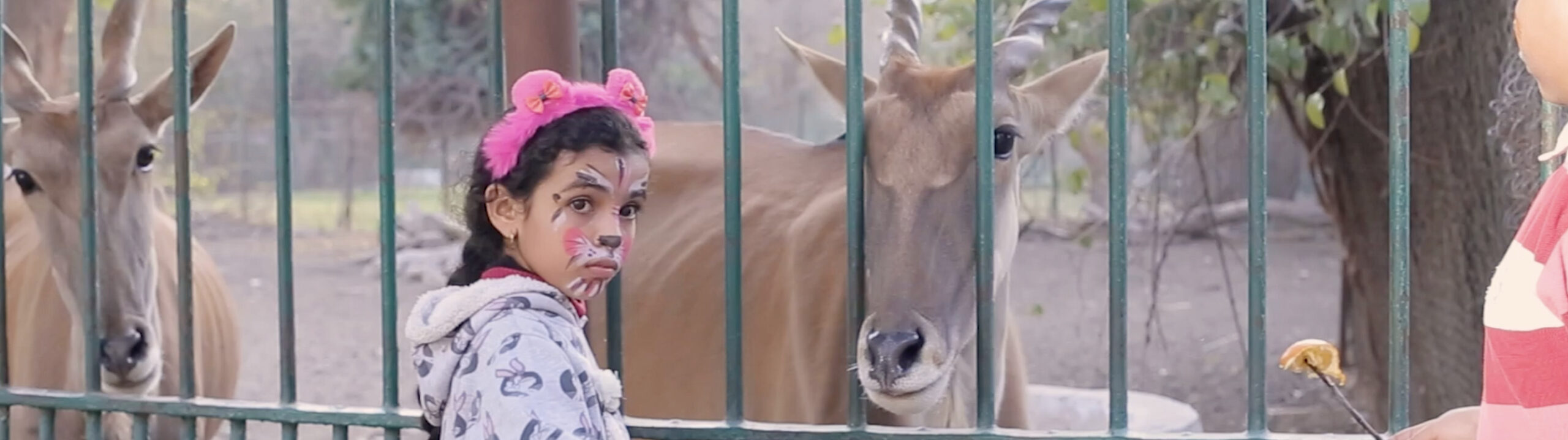
Video | Our zoo, our botanical garden
Like many of greater Cairo's residents and visitors from further away, Mada Masr decided to visit Egypt's oldest parks, the Giza Zoo and Orman botanical gardens, after news spread of…
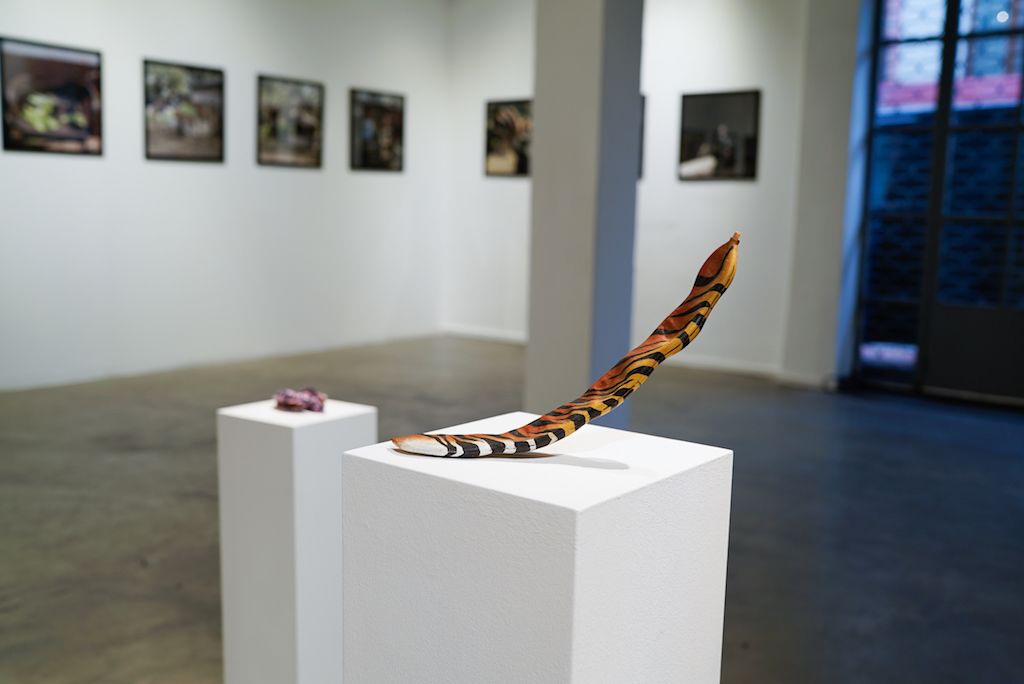
The Giza Zoo as colonial archive
Bryony Dunne spotlights the establishment’s layered history in Istanbul show
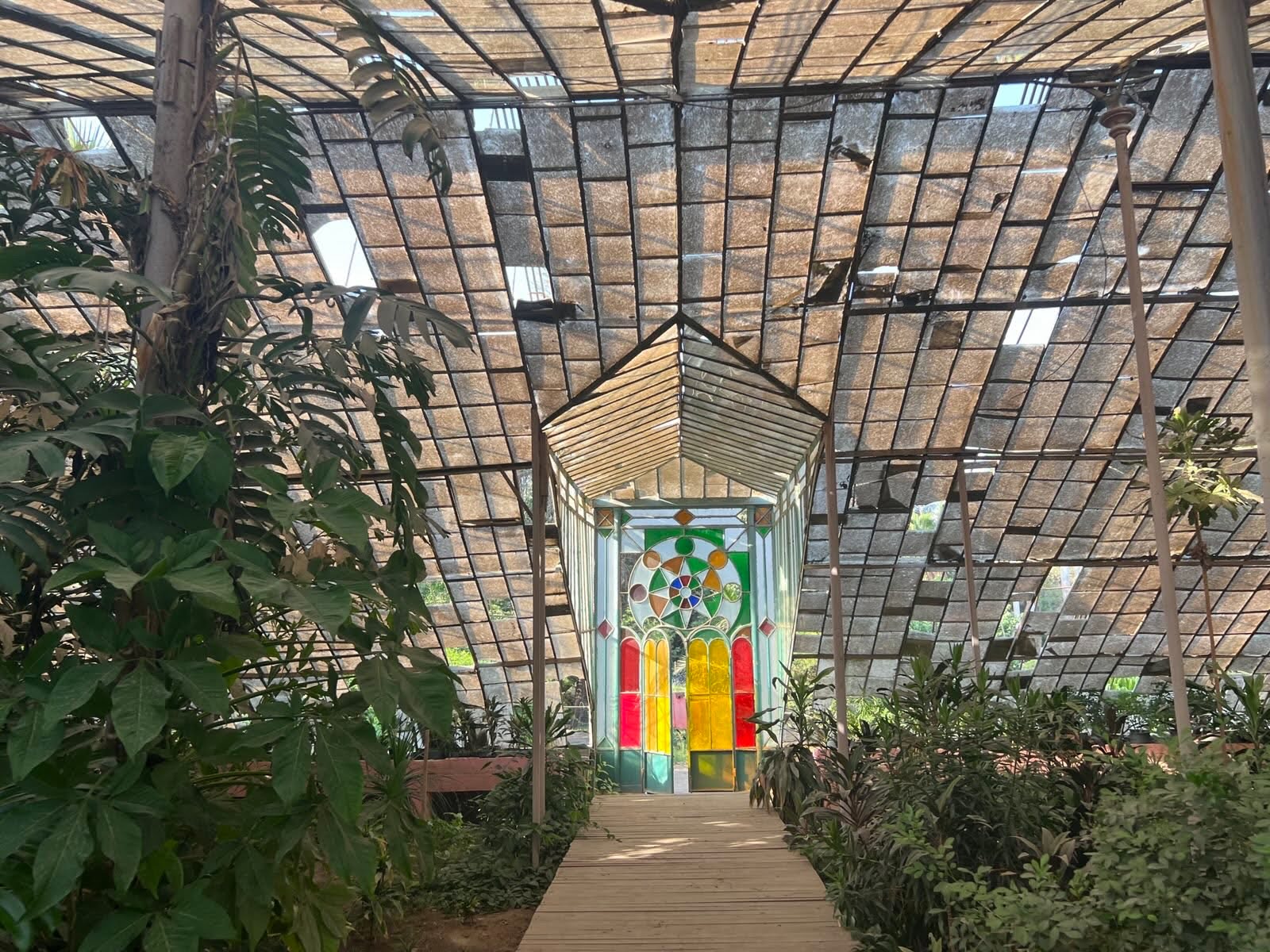
Surprise in the making: The little we know of what will become of Zohriya
Talk of the state's plans to "redevelop" the garden has circulated since 2021
Your support is the only way to ensure independent, progressive journalism survives.
You have a right to access accurate information, be stimulated by innovative and nuanced reporting, and be moved by compelling storytelling. Subscribe now to become part of the growing community of members who help us maintain our editorial independence.
Join us