
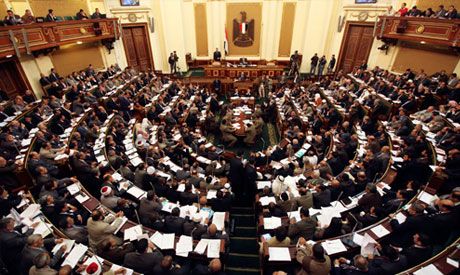
Sisi makes his parliamentary appointments, parliament to convene Jan 10
The date of Egypt’s parliament convening has now been set — the first time parliament will sit after three years — as well as the list of presidential appointments to the parliament made public after a period of uncertainty and speculation following the elections in November.
President Abdel Fattah al-Sisi ordered Thursday the parliament to convene on January 10 and announced the list of 28 appointed parliamentarians. According to the Constitution, five percent of the 596-parliament seats are reserved for presidential appointments.
The list of the appointees published in the state-run Egynews website mostly includes academics, along with some public figures, judges, and politicians.
Most noteworthy are former head of the Appeals Court and the Supreme Constitutional Council Serry Mahmoud Seyam, vice president of the Wafd Party Bahaa Eddin Abu Shaqa, Azhar-affiliated preacher Osama al-Azhar and pro-Sisi writer and commentator Lamis Gaber.
International Monetary Fund adviser Ashraf al-Araby, Ain Shams University President Hussein Eissa, journalist Youssef al-Qaeed, executive director of the Magdy Yaacoub Foundation Anissa Hassouna, former renowned athlete Rania Elwany, among others were also appointed.
In a first, half of the 28 members appointed by Sisi are women bringing the total of women in the parliament to 87 members to constitute 15.3 percent of the parliament's members.
The parliamentary elections law stipulated a quota for women within lists requiring parties and coalitions to include seven women in 15-seat lists and 21 women in 45-seat lists.
73 women were elected to the parliament earlier this month, a number that the National Council for Women said was unprecedented.
The percentage of women in the 2012 parliament was less than 2 percent. In the last parliament under Mubarak, he appointed one woman among his 10 appointees.
The delay in the release of the list of appointees has been a major reason behind the delays to setting the first parliamentary meeting after the election results.
There are already concerns about the constitutionality of the date as Article 115 of the Constitution stipulates that the parliament shall convene on the call of the president on the first Thursday of October.
Professor of constitutional law at Cairo University Raafat Fouda explains, however, that this should not pose a serious threat to the parliament’s constitutionality. He says that Article 115 relates to an already existing parliament.
“But if there is no parliament elected by October, the delay makes sense and there should be no constitutional challenges. The elections saw several appeals which delayed them for a long time,” he adds.
Another cause for delays since the elections themselves the contention of who would occupy the post of speaker of the house. Former interim president and head of the Supreme Constitutional Court Adly Mansour was a leading candidate but his rejection of the offer as well as the fact that his name does not appear on Sisi’s list of appointees have put an end to these speculations.
Media reports have been referring to constitutional law expert and former member of the legislative committee that drafted most of legislations during Mansour’s reign Ali Abdel Aal as a potential candidate. Abdel Aal was elected as part of the pro-regime coalition For the Love of Egypt.
Both Abdel Aal and Mansour’s names have raised questions around a possible conflict of interest in reviewing laws that they had actually drafted. Article 156 of the Constitution stipulates a parliamentary review of all laws passed in its absence during the first 15 days of its convening.
But Fouda sees no conflict of interest.
He explains that the parliamentary speaker’s role will be minimal. The decision to approve the laws will be left to the rest of the parliament and the dynamics of powers between different forces.
“It is very difficult to describe it as a conflict of interest. Adly Mansour or Ali Abdel Al were both doing a public job, and the parliamentary speaker position is also a public post, so there is no question of a conflict between a public and a private interest.”
Khaled Abdel Aziz, a parliamentarian representing the Egyptian Social Democratic Party believes that the position remains subject to the talk of “backdoor deals.”
“It is not yet known who the speaker will be, it’s mired in ambiguity,” he adds.
The controversies in the period following the elections were particularly heated around the formation of coalitions in the upcoming parliament.
The Alliance to Support Egypt, which is primarily composed of the For the Love of Egypt coalition, has been facing a difficult time attracting more members to form a parliamentary majority that approves all legislation issued by Sisi.
After difficult negotiations, the alliance managed to attract the largely pro-Sisi Future of a Nation Party, while both the Free Egyptians Party and Wafd parties, major players on the scene have refused to join.

Mai Shams El-Din
Mai graduated from the American University in Cairo with a degree in journalism. She worked mostly for local English-language news outlets but has also been writing in Arabic, particularly when…
تقارير ذات صلة
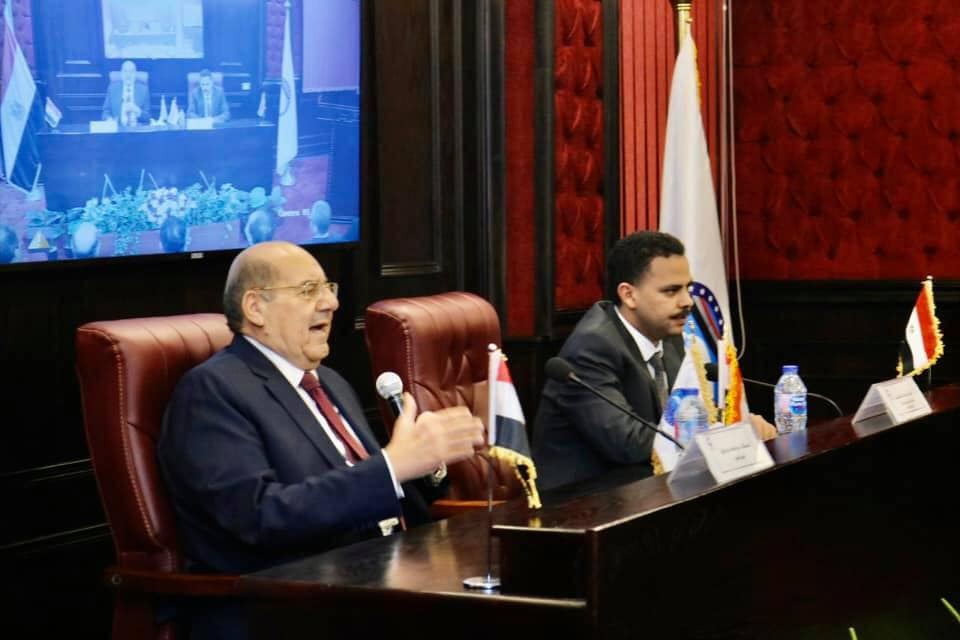
The cost of playing monopoly: How the Nation’s Future Party has caused rifts among parties in House elections
Even Nation's Future been hit by turmoil stemming from the crude management of the elections.
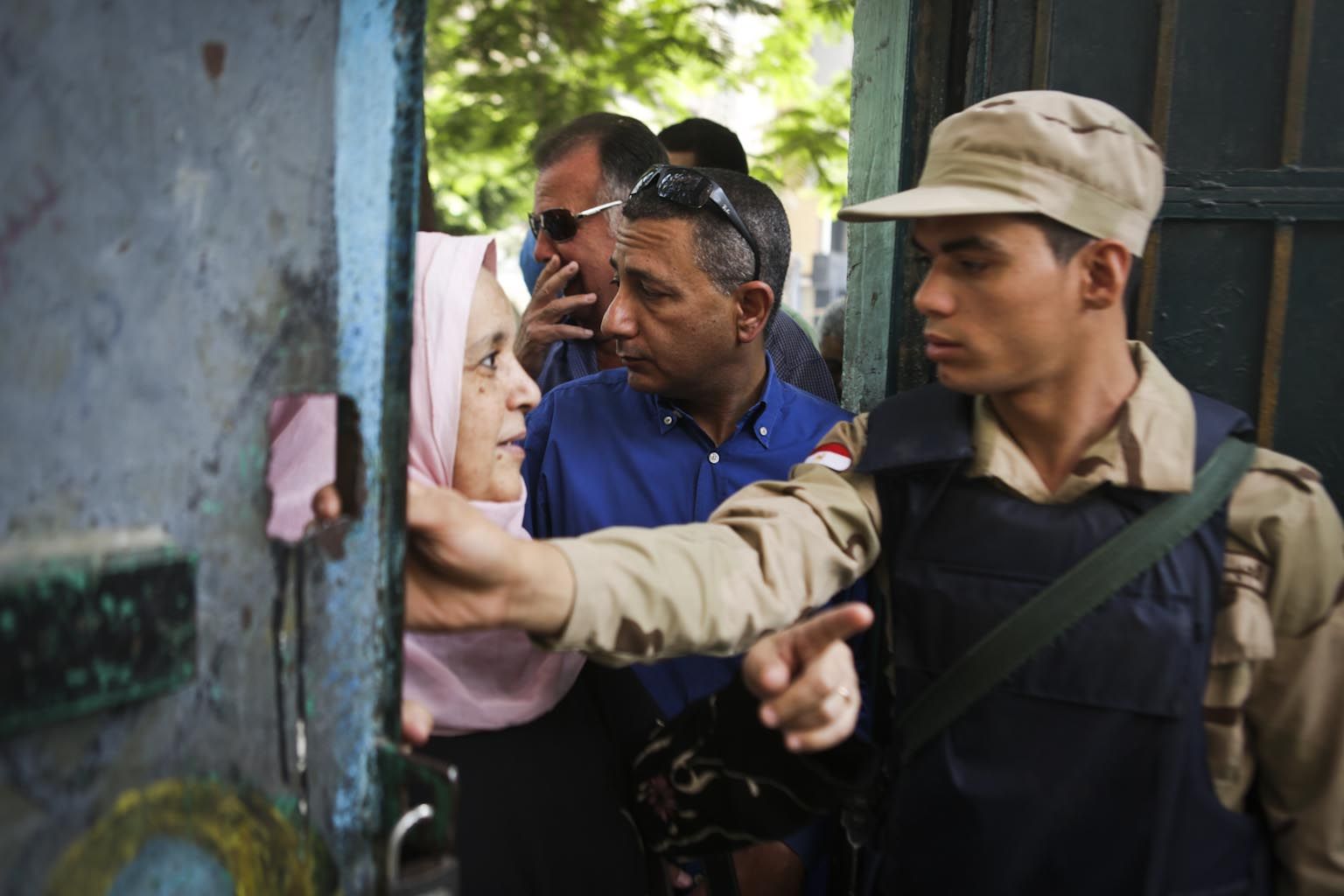
Senate elections: How we moved backward
It all began in a meeting room at an office attached to the presidency in the early fall 2019.
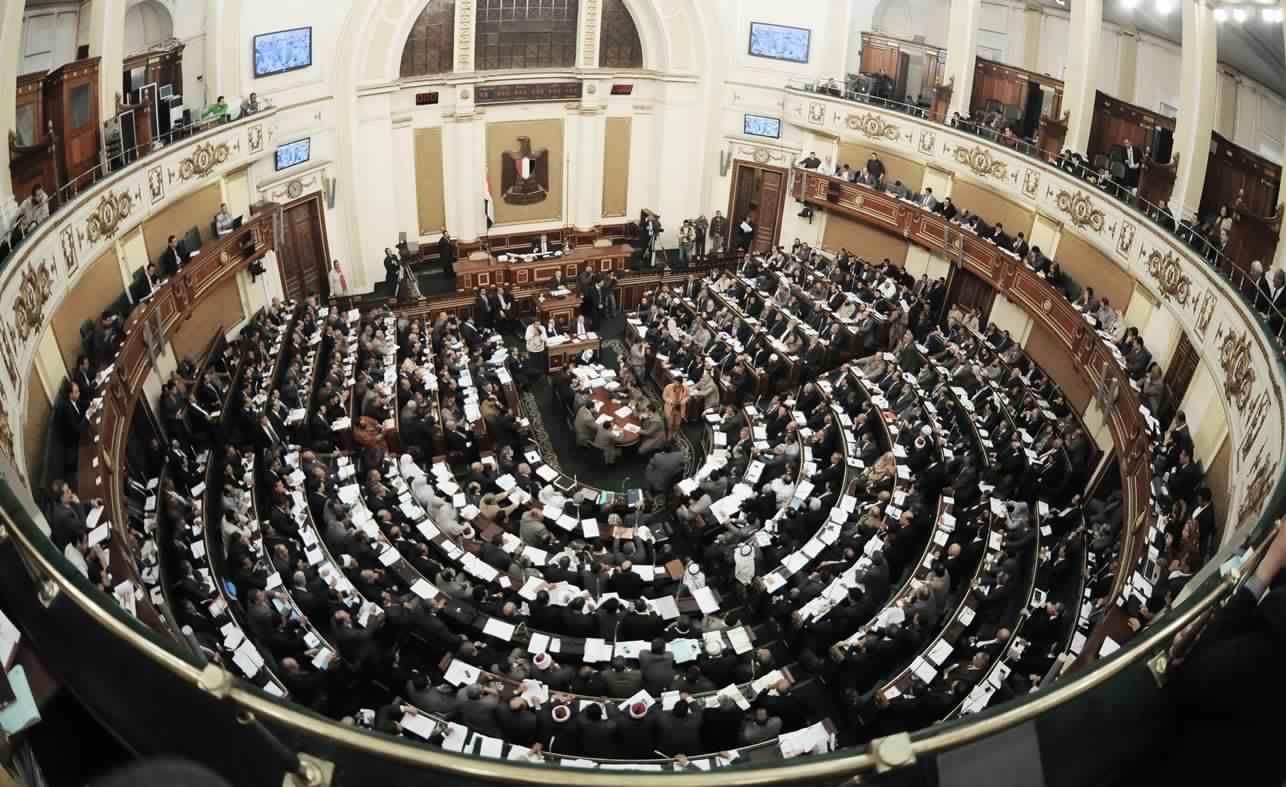
MP referred to ethics committee over reform initiative calling for Sisi’s early departure from office
Parliament was quick to take official action against Tantawi for the initiative.
Your support is the only way to ensure independent, progressive journalism survives.
You have a right to access accurate information, be stimulated by innovative and nuanced reporting, and be moved by compelling storytelling. Subscribe now to become part of the growing community of members who help us maintain our editorial independence.
Join us