
Four years ago, Mahmoud Abu Zeid, popularly known as Shawkan, documented the violent dispersal of the Rabea al-Adaweya sit-in, but no one ever had the chance to see the footage. He has been in prison since that day.
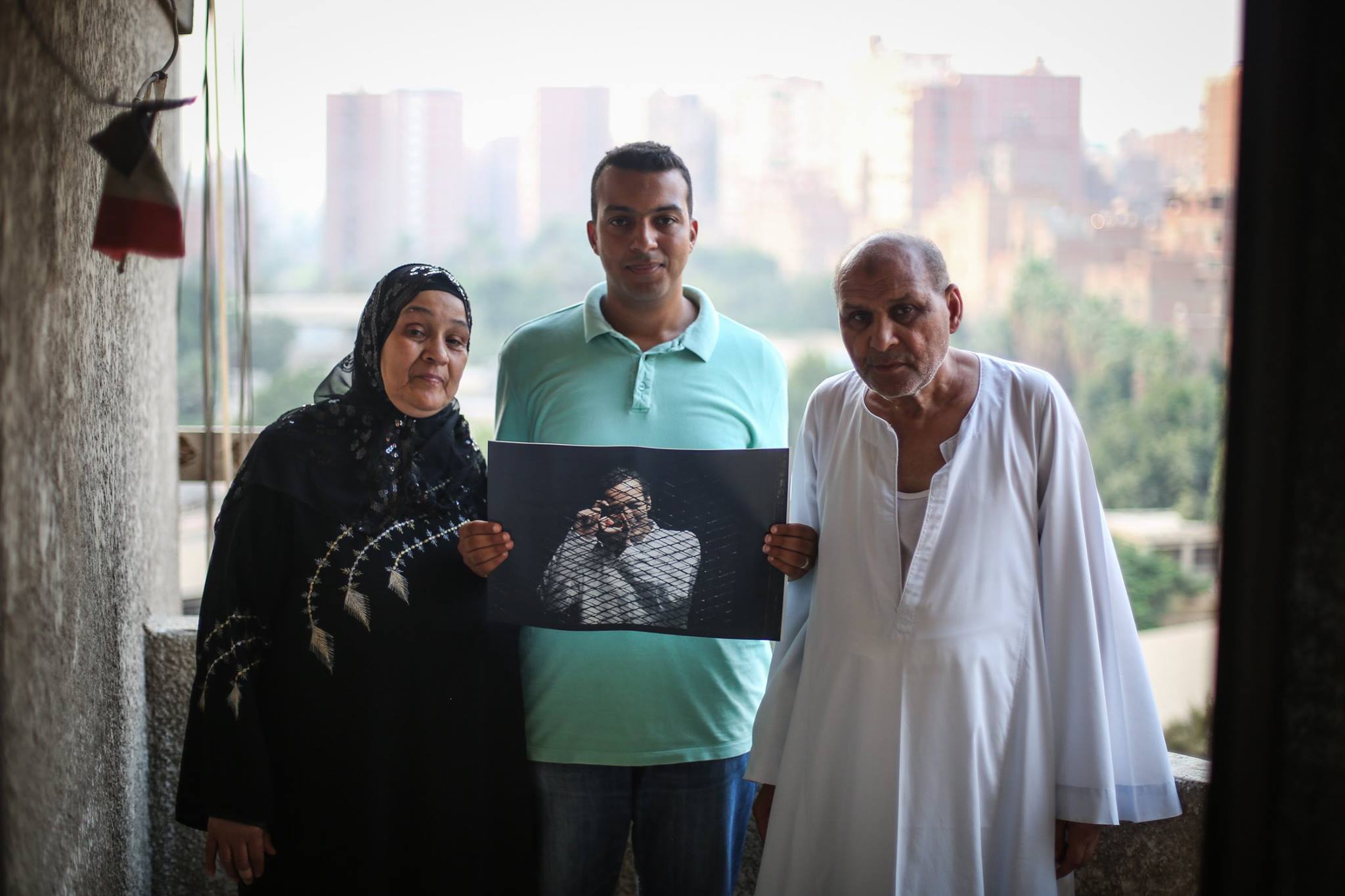
His family, surrounded by photographs of him hung on walls, are still clinging to hope, one mired by the reality of his indefinite imprisonment.
Cairo Criminal Court has scheduled the next session in the “Rabea sit-in dispersal” trial to August 19 to continue listening to witnesses. Shawkan has been kept in detention pending investigations into the case.

Shawkan’s family, who hail from the Upper Egyptian governorate of Sohag, currently live in the Faisal district of Giza. The family previously lived in Kuwait, where Shawkan’s father, Abdel Shakour Abu Zeid, worked as an Arabic teacher.
The family’s last visit to Shawkan in prison was on Thursday. His father laments that he has lost his son behind bars.
His family knew Shawkan as someone who loves life, but after four years of jail, he seems withdrawn and unwilling to speak, according to Mohamed. “He’s in a state of despair and indifference.”

Shawkan’s father never stopped him from covering protests; he always dealt with him as a grown man who knew what he was doing and was well aware of the risks associated. “This is his job and he has to do it anywhere under any circumstances. I advised him to stay away from troubled areas sometimes, but it was just a suggestion. At the end of the day, he’s an adult and knows better than I do,” Abdel Shakour said.
“We knew he was detained while covering the dispersal, but I did not believe it actually happened. I asked his brother to confirm and he found him in Nasr City police station before he was referred to Abu Zaabal Prison,” his father recounts.
Shawkan used to love drawing when he was a child, but he was obsessed with photography. The university application process in Egypt, however, prevented him from attending the universities best suited to his talents. He became a philosophy student instead, but did not even commit to attending exams. He later transferred to study journalism at the Akhbar al-Youm Academy.

“I’m not waiting for anything. This isn’t loss of hope, but only God knows how this case will end,” Mohamed, Shawkan’s older brother, said.
The family does not expect a verdict to be issued soon in Shawkan’s case, but the place that he left behind four years ago is marked by a shadow that consoles a family trapped between a lost hope of his return and keeping his memory alive.

Leena ElDeeb
Leena ElDeeb is an independent journalist with a great passion for anthropology. She is currently based in Cairo, where she writes about culture, society and politics.
تقارير ذات صلة
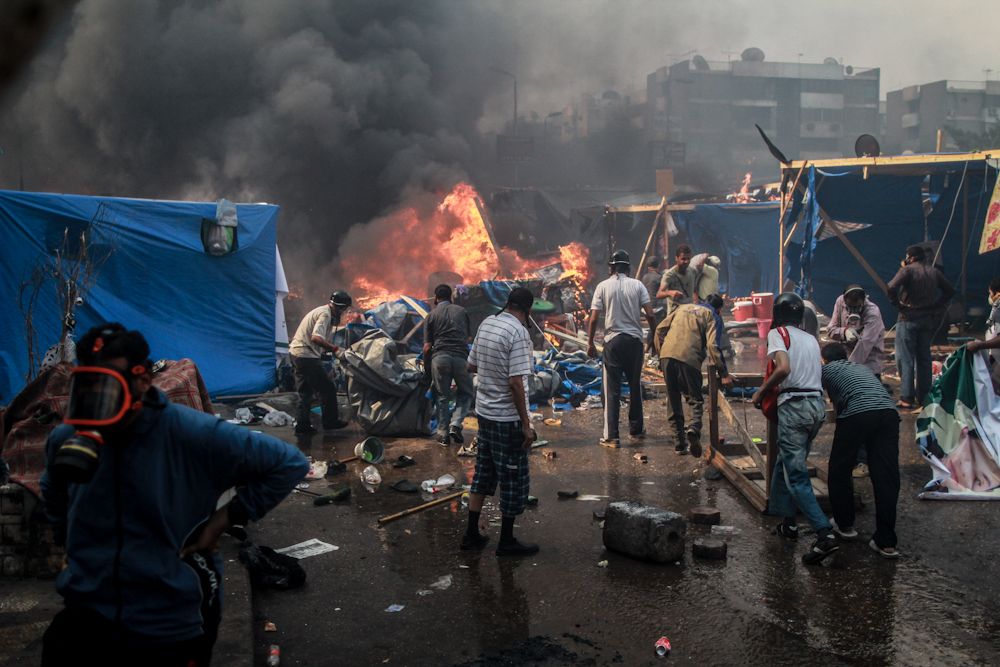
After the Rabea verdict: How the state’s claim for millions in damages has kept Shawkan, 214 others in prison
Those convicted in the Rabea dispersal case remain in prison in lieu of paying millions in damages
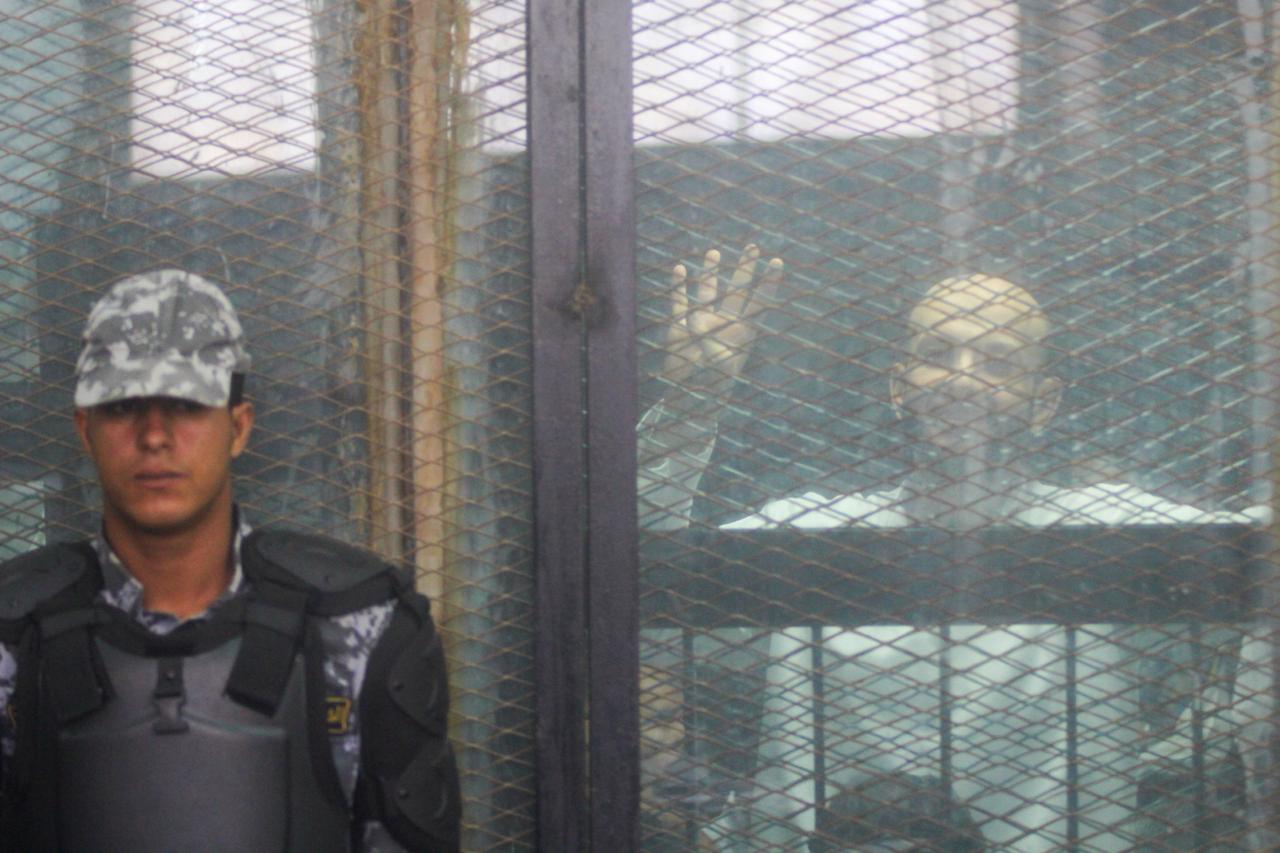
At long last, a verdict for Rabea
As the historic trial draws to a close, Mada Masr maps the details of the case, which spanned almost 5 years
Your support is the only way to ensure independent, progressive journalism survives.
You have a right to access accurate information, be stimulated by innovative and nuanced reporting, and be moved by compelling storytelling. Subscribe now to become part of the growing community of members who help us maintain our editorial independence.
Join us