
Nasr City residents sue govt over decision to expropriate 2 neighborhoods
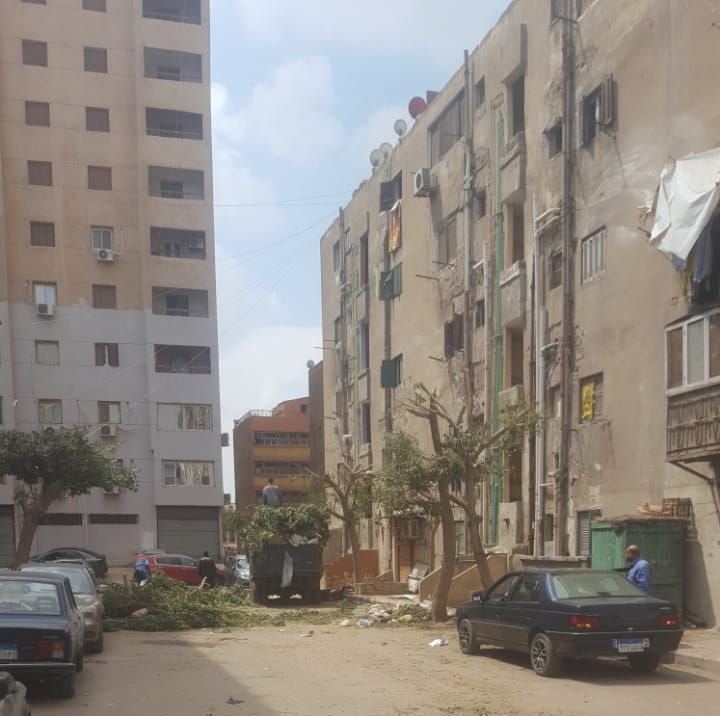
Facing the pending eviction and demolition of their homes, a number of residents of the sixth and seventh neighborhoods of Nasr City, Cairo, filed a lawsuit on Saturday before the State Council to contest the prime minister’s decision to expropriate the two districts for “public benefit.”
The original expropriation decision in 2020 said the land on which the two neighborhoods are built will be included in the public monorail project. Emerging plans for the area, however, are set to demolish existing homes that residents say are in good condition to make way for taller residential tower blocks that would allow for greater population concentration in the neighborhood.
The lawyer handling the case on behalf of residents who do not wish to be forcibly relocated told Mada Masr that the new plans constitute a legal violation of the residents’ right to private property.
The government wants to replace the properties in the sixth and seventh neighborhoods, which are five stories high, with taller buildings that will allow for more residential units in a smaller space, said the lawyer, Ahmed Saeed.
Expropriating and demolishing properties in the two neighborhoods merely to renovate them violates the constitutionally guaranteed right to private property, as well as the law on expropriating real estate for public benefit, according to Saeed. “The area was planned according to building standards at the time and the neighborhoods are not listed as informal settlements” Entire neighborhoods in other areas across Cairo and Giza have been razed on the grounds that they were built without formal registration or adherence to construction bylaws.
Residents will be offered various options for compensation, including the chance to move back into the area after its redevelopment, cash compensation, units in the Gardenia City Compound with any price differential payable through the real estate financing system, or units in the Mahrousa or Ahalina housing projects.
Some families have already opted to accept financial compensation in exchange for their houses, as Cairo Deputy Governor Ibrahim Saber announced that LE5.8 million in compensation was to be distributed to 12 families from the sixth neighborhood.
Mina,* a doctor and one of the residents who welcomed the decision, said that “the whole market has a liquidity problem and the government is paying immediately and in cash,” adding that he thinks the properties need redeveloping since they are more than 60 years old.
But for Ibtisam,* a retired teacher who lives in the seventh neighborhood, waiting until the area is redeveloped is not good enough. “They say whoever wants to return may return, but I cannot guarantee I’ll live another day” she told Mada Masr. “I got married, gave birth and raised my children in the neighborhood. I currently live alone, the people in this street are my people. I want to die among my people. I also cannot handle relocation and humiliation.”
Zainab,* a mother of two in her mid-thirties and a resident of the sixth neighborhood who works at a nearby surgery hospital was concerned that temporary or permanent alternatives will make it difficult to get to work, and to place her children in a satisfactory school. The alternatives would not compensate the residents for the loss of the particular location of their current residence, which is close to downtown Cairo, New Cairo and other busy areas of Greater Cairo.
Concerns over the project’s effect on employment were shared by Youssef,* the 50-year-old owner of a local poultry shop, was concerned about finding a new job. “I’ve worked here for more than 17 years. People have known me and I have customers. Who knows what the competitors in the new place are like,” he told Mada Masr.
The original decision, announced in the Official Gazette in December 2020, designated several parts of the Nasr City district among the various areas of Cario and Giza to be appropriated for the administrative capital and 6th of October City monorail line projects within the governorates of Cairo and Giza.
However, recent plans announced by the Cairo Governorate are set to replace the blocks in the sixth and seventh neighborhoods with taller residential towers, which the governorate compared to the Maspero Towers project in downtown, with residents to be relocated permanently or temporarily and receiving compensation.
In the lawsuit, residents demand that expropriations be put on hold until the status and safety of the current properties is evaluated by a group of experts from the housing and justice ministries, as well as an engineering college, to see whether the properties can be developed without demolition.
The suit, which is filed against the prime minister, the housing and interior ministers, the governor of Cairo and the second Nasr City police department chief, also demands that any required renovations identified should be carried out by the respondents as compensation for the residents for the distress caused by the fear of removal.
*Pseudonyms
تقارير ذات صلة
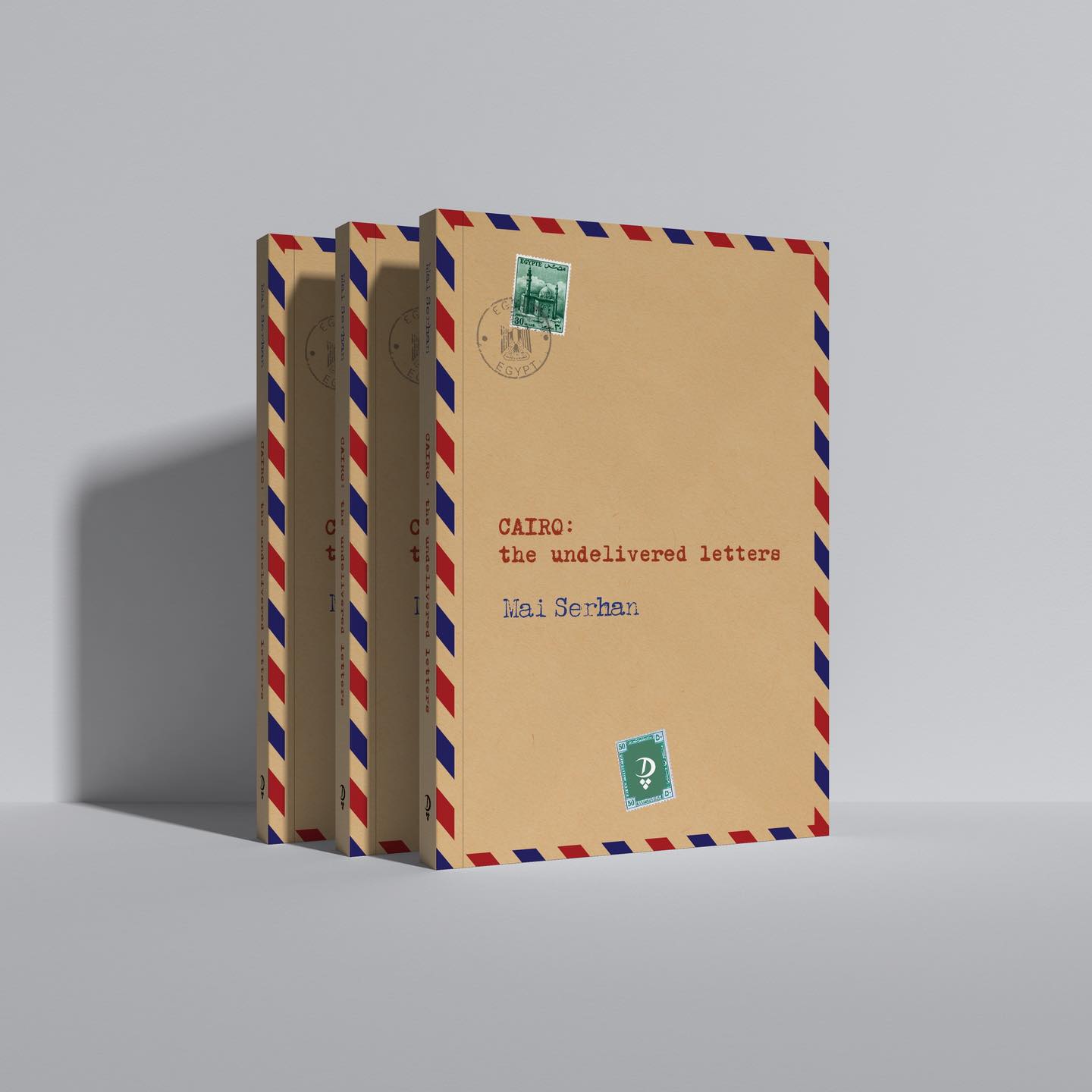
Cairo, undelivered: A conversation with Mai Serhan
Mai’s writing doesn’t seek to provoke. It seeks to reveal

Video | Congrats on the Renovations
A motorcycle ride through Cairo, as navigated, contemplated, forsaken. النشرة الأسبوعيةاشترك ليصلك أهم ما نشرناه كل أسبوع.اشترك [wonderplugin_video iframe="https://youtu.be/aZEK6q8C0yY" lightbox=0 lightboxsize=1 lightboxwidth=960 lightboxheight=540 autoopen=0 autoopendelay=0 autoclose=0 lightboxtitle="" lightboxgroup="" lightboxshownavigation=0…
Your support is the only way to ensure independent, progressive journalism survives.
You have a right to access accurate information, be stimulated by innovative and nuanced reporting, and be moved by compelling storytelling. Subscribe now to become part of the growing community of members who help us maintain our editorial independence.
Join us