
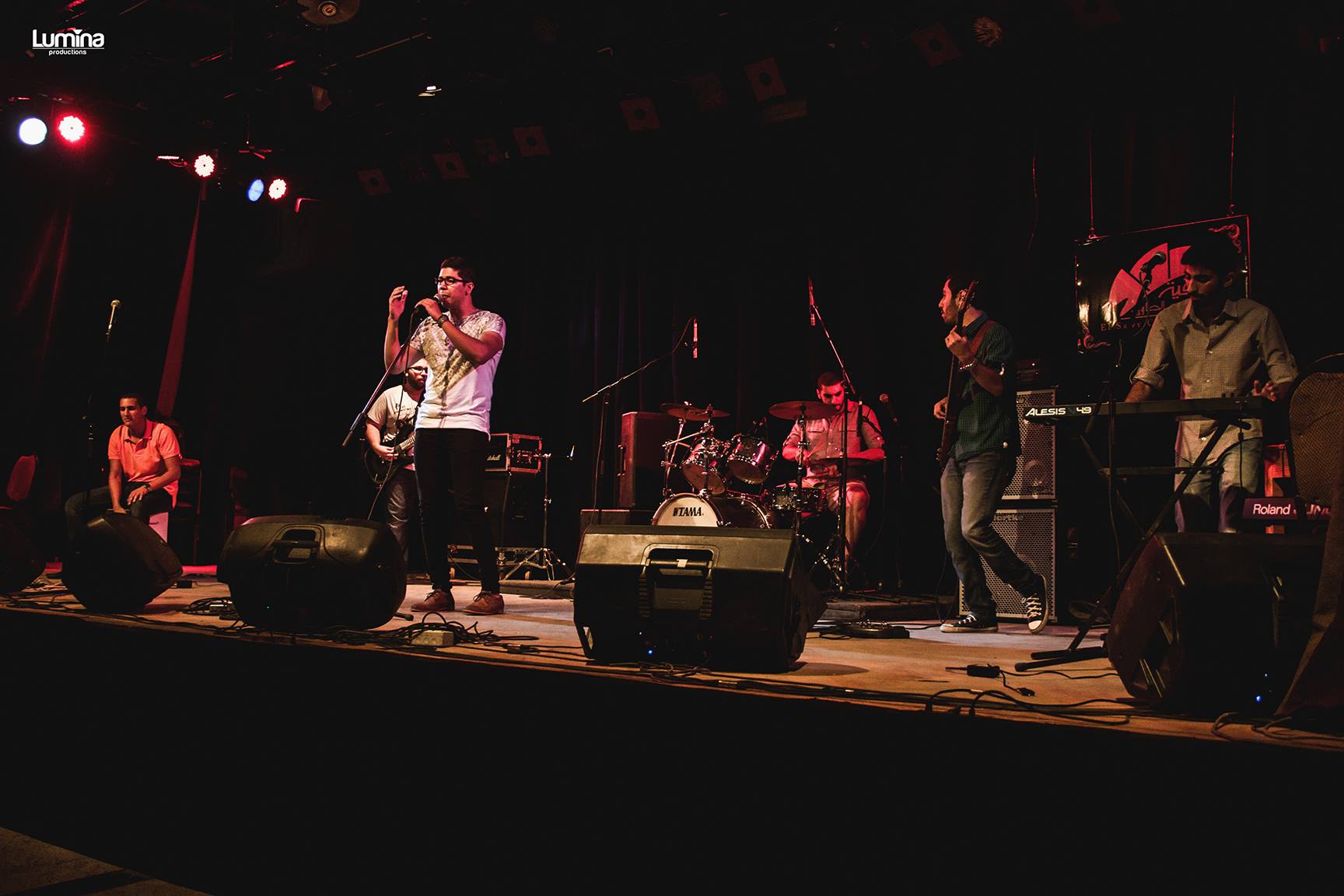
Mada Mix: Ta7t El-Sefr and Hawas
The first contact that Ta7t El-Sefr lead guitarist Mohamed Ayman had with rock was hearing a band called Andromida, which was part of Egypt’s 1990s rock scene and mostly played songs by 1970s bands like Pink Floyd. Formed in Alexandria in 1987 by Amr Hassan and Ihab al-Qalie, Andromida claims to be Egypt's oldest progressive rock band.
At the time, this type of music was not widely accepted in Egypt, unlike pop or shaabi; shaabi star Ahmed Adaweya, for example, sold a million copies of his first album in 1972. Pop or shaabi had two distinct advantages: local language and more or less original songs. In contrast, there was no money to make physical albums in rock.
“They sung often in English, not Arabic, and mostly played covers,” says Mohamed "Mickey" Ibrahim, assistant programing director at NileFM (“the perfect blend of the best international chart toppers with a local feel”) and former front man of now-defunct Egyptian rock band Idlemind. “This changed with the late 1990s and early 2000s,” he says, adding that Idlemind played original songs starting in 2003.
Ta7t El-Sefr, which means “below zero,” is an energetic young five-member band that seeks to create progressive rock drawing on Egypt's artistic heritage. It’s part of a generation that’s helping rejuvenate Egypt's rock scene and that aims to widen rock music's appeal in the country.
The dream of fusing rock with local heritage became much more of a reality with the revolution-related success of the five-member band Cairokee, which started in 2003. Its 2012 song Ehna al-Shaab (We are the People) combined rock with lyrics by famous poet Abdel Rahman al-Abnoudi. Matloob Za3eem (A Leader is Needed), released in 2011, is one of the band’s most successful songs. Its political and social context combined with their music proved a hit, and they have over 2,000,000 Facebook fans today.
"Before the revolution, it was frustrating because we were playing alone, for friends, or in the studio, but after the revolution people wanted to change the standards. It didn't have to be singing love songs or making a video with a bunch of girls," they told The Nation. This made other musicians realize they were able to produce the kind of music they wanted to.
Ta7t El-Sefr formed in 2014. In contrast to Cairokee, it does not consider itself a political band, and the revolutionary context is not a vehicle for its music. Instead it’s concerned with more abstract feelings and themes, uses more complex compositions and combines different subgenres of rock. Like many bands that emerged after 2011, it differs from its predecessors in several ways. One main thing is that its members are confident in using Arabic as their main language, which connects them more easily to the audience.
It also has the ability to spread its music to a broader audience through social media and platforms such as MideastTunes. MideastTunes, founded in Bahrain in 2010, currently hosts over 1,500 bands and its mission is “to bridge barriers of faith and geography to unite people committed to fostering constructive discourse in the region through music.” Dandin, owned by AKT Media Productions and located in Cairo, is a platform that offers the latest alternative contemporary music in all genres and languages of the region. Not to mention Soundcloud and Bandcamp, of course.
There are also a few alternative labels — Mostakell, founded in 2007 by Tamer Abu Ghazaleh in Cairo, has released albums by artists such as Maryam Saleh and Zeid Hamdan, while 100Copies, established by Mahmoud Refat in Cairo in 2006, focuses largely on experimental, jazz and electronic — but that market is still niche. So distribution happens largely online, and while Ayman admits that it’s still difficult to fund an album, Ta7t El-Sefr is accordingly planning a multi-platform release for its debut.
This album, which should be released in the first half of this year, introduces the concept album to Egypt's rock soundscape. As Ayman explains, it is the story of an individual’s journey through a transformative period of his life, with themes of loss and gain, happiness and sadness. It consists of eight songs — one purely instrumental, and in the others the lyrics are minimal, and carefully synced with the music. Ayman says of one song, titled 20 cm: “It’s very abstract, there are not many lyrics. There’s this feeling of longing for happiness, of a person who forgot how to be happy — finally he gets to glimpse what happens if he’s happy.” In the chorus, the protagonist reflects on his/her life by confessing and remembering a once full life: I forgot that someday life smiled to me / I forget that someday life was back to me."
It’s a slow-paced song, and while you’re listening you might think you are between stages of waking up from a long night of dreaming. At the end of the song, Ayman’s guitar solo emerges and builds up to a melody reminiscent of Scottish post-rock band Mogwai.
Hawas, an eight-member emerging band from Cairo that has a similar spirit to Ta7t El-Sefr but a very different sound, also releases content online, although it made the step of producing limited physical CDs of its new EP, Zaiy Shita (Just Like Winter), in December.

There are few places where you can buy these CDs — a couple of bookstores, such as Kutub Khan in Maadi, or venues where the bands perform. Although there are still not many venues for rock and metal, Garden City’s Room Arts Space and Café, Zamalek’s 3elbt Alwan and downtown’s GrEEK Campus have emerged in couple of years as options. El Sawy Cultural Wheel, founded in 2003, and Cairo Jazz Club, whose current management took over in 2001, also continue to host such bands. Hawas don’t consider themselves underground, but part of a heterogeneous scene that plays these particular venues. And there are several new studios too, such as Vibe studio in Dokki, where Hawas is rehearsing, which was founded by musicians for musicians in 2011.
Hawas combines sounds from jazz, blues and funk with local artistic heritage by using instruments such as the oud. What makes its small EP special is the blend it has developed. Each member has different tastes, ranging from Pink Floyd to Frank Sinatra and from jazz and European classical to Egyptian folk, Sayed Darwish, Umm Kulthum and Sufi music, which you find in the song Malaz (Sanctuary).
Zaiy Shita (Just Like Winter), made in collaboration with singer-songwriter Sheeren Abdo, includes an Irish folk Christmas song called Ayaam El-Omr (Days of Life), sung by Mahmod Maher El-Kheteeb in Arabic and Abdo in English. Their EP also includes music by Bach, while their song Aynakyk (Your Eyes) uses words by Syrian poet Nizar Qabbani (1923-1998), well known for his romantic poetry. Here's a translated excerpt: "Your eyes / are the last of the winter birds / seaweeds, tobacco fields / and love letters."
Mostly the lyrics are apolitical, although you may find some hints, such as in Zaiy Shita: "Suddenly comes winter, like a crush, like love / and you come and ask me about Genesis! / In carefree talks, you wonder about everything / about the spoken and the unspoken / and what's left of us / since the revolution."
Hawas too are confident in using Arabic. Their earlier songs are funkier in nature but they are always trying to reinvent their musical style — hence the more diverse, complex sounds of Zaiy Shita. They are maturing through a stronger mix of jazz and blues.
So far Ta7t El-Sefr have played three concerts, and that’s what they love most — performing in front of a live audience and feeling the reactions. I saw them in action at Room, and their energy became apparent as they played original songs and improvisations but also interacted with the audience. The small venue was well-attended. “We want to interact with the people,” Ayman says. “The album contains a lot of experiments and we want to know how people react.”
Hawas’ next concert is scheduled for February 27 at Room Arts Space and Café in Garden City. See the Facebook event here.
تقارير ذات صلة

On the economic history of making music in Egypt and Yousra El Hawary’s crowdfunding campaign
Crowdfunding may be a way to rebel against the rules of the market and the state.
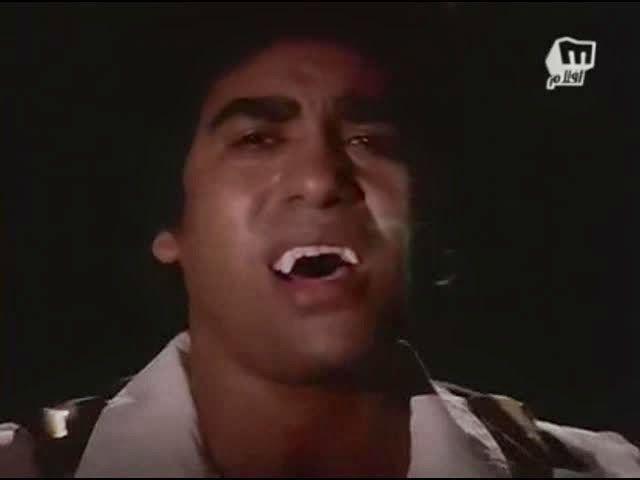
Egypt’s cinematic gems: Fangs
A kitsch masterpiece of an overlooked moment in Egyptian music history: Arabic glam-rock
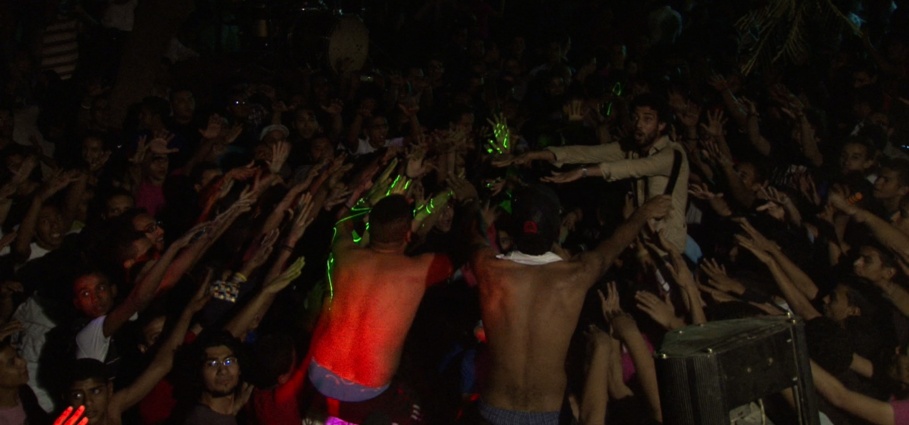
Assessing two films on mahragan music
In my experience, good music documentaries are structured around a question or quest. In “Searching for Sugar Man,” Malik Bendjelloul asked where Sixto Rodriguez was. Wim Wender’s “Buena Vista Social…
Your support is the only way to ensure independent, progressive journalism survives.
You have a right to access accurate information, be stimulated by innovative and nuanced reporting, and be moved by compelling storytelling. Subscribe now to become part of the growing community of members who help us maintain our editorial independence.
Join us