
From the ship to the faucet: The power of election symbols
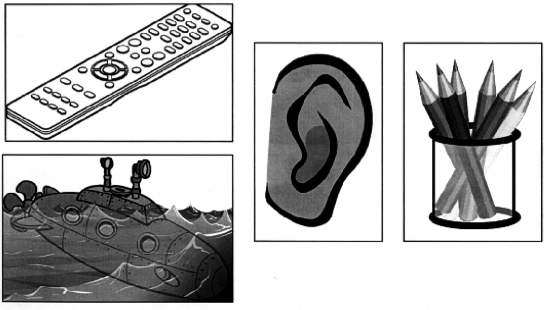
Candidates have been rushing to select their symbols for Egypt’s upcoming parliamentary elections, hoping not to be last in line and left with the faucet or pliers.
After the deadline for candidate nominations closed on Saturday, the electoral commission began assigning electoral symbols to parties and coalition lists.
Tarek al-Kholy, a member of the coordination committee of electoral list For the Love of Egypt, told Mada Masr that the symbols carry a lot of weight, both for voters and candidates.
The icons chosen end up on ballot papers, and are essential in a country where a large proportion of the voters are illiterate.
The list of symbols this year was first released in August by the High Elections Commission. They include typical animals that inspire confidence, such as the lion, and icons evoking voyage and discovery, like the ship, as well as a number of more everyday household items, such as the vase, vacuum cleaner, ceiling fan and faucet.
On September 1, candidates rushed to the window at the election commission’s office to be the first in line to select their symbols. Stories emerged of candidates engaging in physical altercations with their competitors.
The commission announced the allocation of symbols on a first come, first served basis. Parties who used a particular symbol in previous years were given priority over whether or not they wanted to keep them, and could also opt to allow candidates running for individual seats under the party name to use the same symbol.
Electoral lists were next in line after parties stated their preferences.
The commission is equally aware of the importance of the symbols, and eliminated several with particular political affiliations, including the star, President Abdel Fattah al-Sisi’s symbol in the presidential elections, along with scales, the symbol used by ousted President Mohamed Morsi.
Also outlawed are the camel and crescent — notoriously used by Hosni Mubarak’s formerly ruling National Democratic Party, and associated by many with electoral fraud and exclusion.
Kholy says that it’s important the symbols selected are familiar to people of all backgrounds, and are easily identifiable on the ballot papers.
For the Love of Egypt were hoping to get a symbol reflecting the character of the nation, and chose the ship as their first choice, according to Kholy.
Other have complained about their allocations, such as the mango tree and pliers.
The elections commission added 10 new symbols to the list on Tuesday, some of which Kholy says are unfamiliar to people, such as the submarine and Abu Simbel antiquities.
The symbols are often the subject of ridicule. In 2010, artists and citizens mocked campaign billboards with particular symbols, such as the bucket and the antenna, which people often associate with stupidity and lack of character.

Heba Afify
Heba Afify, known in journalistic circles as H, is a news reporter who traveled between working for local and international newspapers. She covers a variety of topics from high to…
تقارير ذات صلة
A presidential directive to freeze Parliament
New parliamentary formation to be engineered by the National Security Agency
A disintegrating coalition: Rifts re-emerge after Dostour Party’s default leadership election
Rifts have re-emerged within the Dostour Party days after the default election of Khaled Dawoud as party president
Anatomy of an election
"For the Love of Egypt … was born in this meeting. Yes, inside the Egyptian General Intelligence Agency. I was there, at the invitation of the presidency."
Your support is the only way to ensure independent, progressive journalism survives.
You have a right to access accurate information, be stimulated by innovative and nuanced reporting, and be moved by compelling storytelling. Subscribe now to become part of the growing community of members who help us maintain our editorial independence.
Join us