
Egypt’s cinematic gems: The Last Night
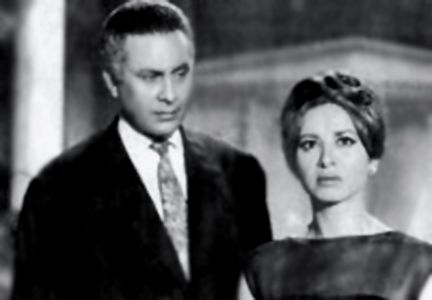
Al-Leilah al-Akheerah (The Last Night), made by Kamal al-Sheikh in 1963, competed at the 1964 Cannes Film Festival. It stars Faten Hamama, Ahmed Mazhar and Mahmoud Morsi, and its scenario, by prolific literary and political figure Youssef El Sebai, is based on a 1961 novel by American writer Margaret Lynn, To See a Stranger.
With only a high school degree, Sheikh's entrance to the movie business had been through editing. He made his first foray into mystery movies, a genre that would remain a favorite, by editing Ahmed Salem’s Al-Mady al-Maghool (The Forgotten Past, 1944), starring Salem and Laila Mourad. The latter plays the role of a wealthy young man who loses his memory in a train crash, regaining it after seven years only to forget everything that happened following the accident, including his wife and four-year-old child.
In 1952, Sheikh directed his first mystery, Al-Manzel Rakkam Talatashar (House Number 13). It's about a psychiatrist who kills someone and through hypnosis convinces a patient of his that he is the killer. The patient is arrested for a crime he didn't do but subconsciously believes he did.
The Last Night is equally improbable. The female protagonist wakes up one day to find herself 15 years older, living with her sister's husband (Morsi) and acting as the mother of her sister’s daughter. Everyone insists she is Fawzeya, although she knows her name is Nadia Borhan Sadeq. Investigations lead her to an ex-fiancé, Salah Moharam, who doesn’t remember her, and a tombstone with her name on it. It seems she died, along with her father, during an air raid in 1944.
In despair, she reaches out to Dr Magdi, a physician whose interest is piqued by her perplexing “health condition,” and through hypnosis she finally remembers her last night as Nadia.
Psychotherapy and hypnosis were foreign concepts to the Egyptian audience in the 1950s and 1960s, and Sheikh used both to add suspense to his movies.
Known as the Arab Hitchcock, Sheikh played up his villains. In The Last Night, Mahmoud Morsi succeeds in personifying a complex, greedy, manipulative freak who would resort to murder for money. In general Morsi aced multilayered characters. In 1963, the same contrasting duo of Hamam and Morsi starred in Al-Bab al-Maftouh (The Open Door), in which Morsi plays the role of a chauvinistic, abusive, manipulative and hysterical university professor who brainwashes his student Laila (Hamama) into marrying him. Sheikh put so much meat on his villains that sometimes they overshadowed his heroes – and this is what happens in The Last Night. Magdi, the detective/doctor, appears bland and two-dimensional, a preppy physician who spends his time smoking his pipe and wondering about the perplexing details of the case. However, this frail characterization may be blamed on how new the psychotherapist was to Egyptian cinema at that stage.
In The Last Night, the viewer lives the dilemma from the beginning until the very end, not knowing whether Hamama is in fact Nadia or Fawzeya. This adds suspense to the chain of events. It’s a trick Sheikh abandoned or forgot in House Number 13, in which, from the beginning, the personality of the killer is disclosed to the audience and concealed from the hypnotized protagonist and his wife (also Hamama), who searches for a way to prove her husband's innocence until the very end.
Nadia’s reaction when she wakes up to find she is somewhere else and sleeping next to her brother-in-law looking 15 years older is rather understated. At intense moments, such as that scene and the visit to the tomb, Sheikh resorts to voiceover, which perhaps supports the notion of dual identity but somehow cripples Hamama’s potential for powerful emotion.
Sheikh’s visual devices are more successful: he is known for his quirky lighting, and The Last Night is no exception. Most his movies were muted, with a heightened contrast between light and shadow. In House Number 13, he resorted to a single spotlight on the protagonist during the hypnosis sessions to distinguish this state of trance or mental absence from the scenes in which the protagonist is in control of his actions. In The Last Night, a dimmed environment prevails during the investigation scenes and when Nadia is admitted into psychiatric clinic.
Sheikh introduced the mystery genre into the Egyptian cinema, and his crime movies were revolutionary at the time. In 1987, he ended his 30-year career with a sci-fi movie titled Qaher al-Zaman (The Tamer of Time), about a physician who discovers a way to freeze his patients. Due to the lack of technology and special effects, the movie – like its younger brother, Said Hamed’s Love in the Refrigerator – was not a success.


Amany Ali Shawky
Amany is a Lifestyle and Society Reporter with Mada. With 10 years in journalism and publishing, she has written for everything from news to culture, environment and fashion, street politics…
تقارير ذات صلة
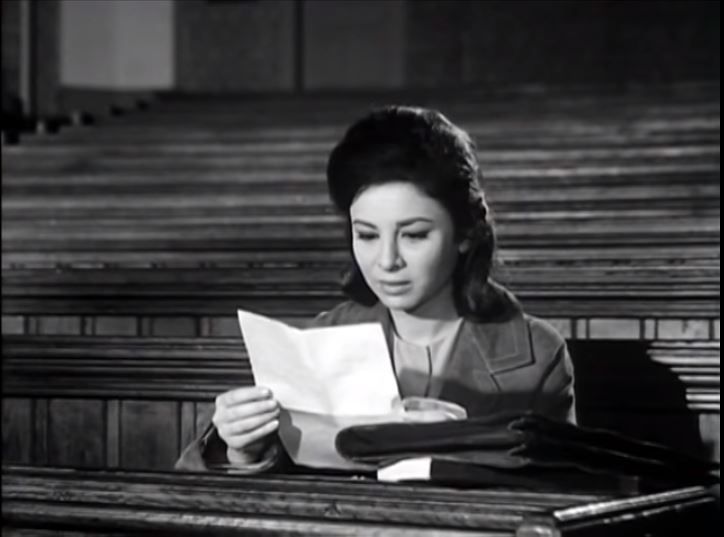
Egypt’s Cinematic Gems: The Open Door
Ismail Fayed explores Henry Barakat’s adaptation of Latifa al-Zayat’s 'The Open Door'
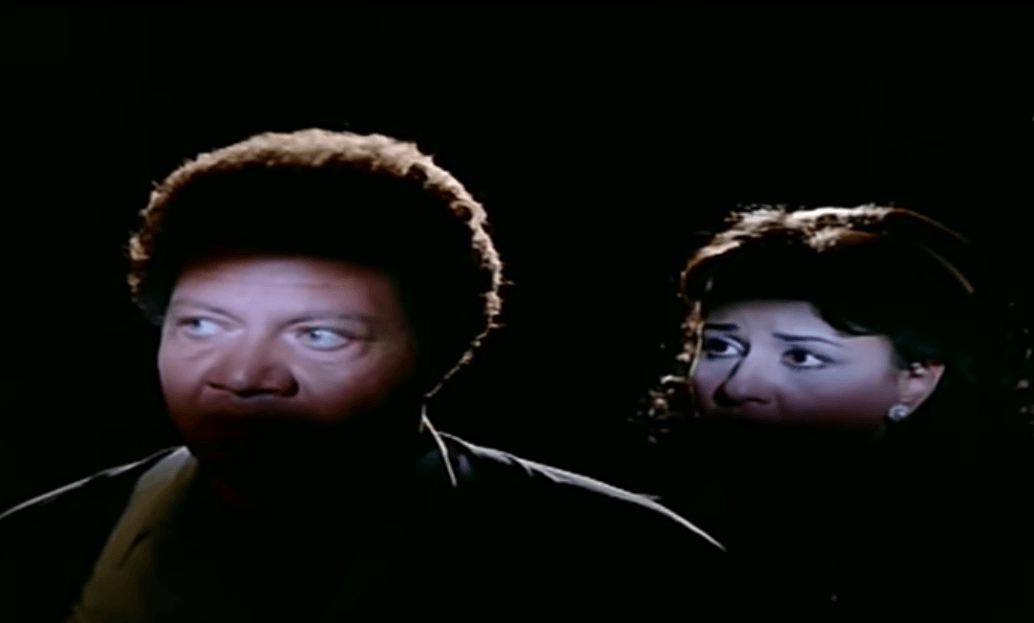
Egypt’s Cinematic Gems: Love’s Last Story
Raafat al-Mihi’s third feature combines symbolism with an unflinching awareness of reality
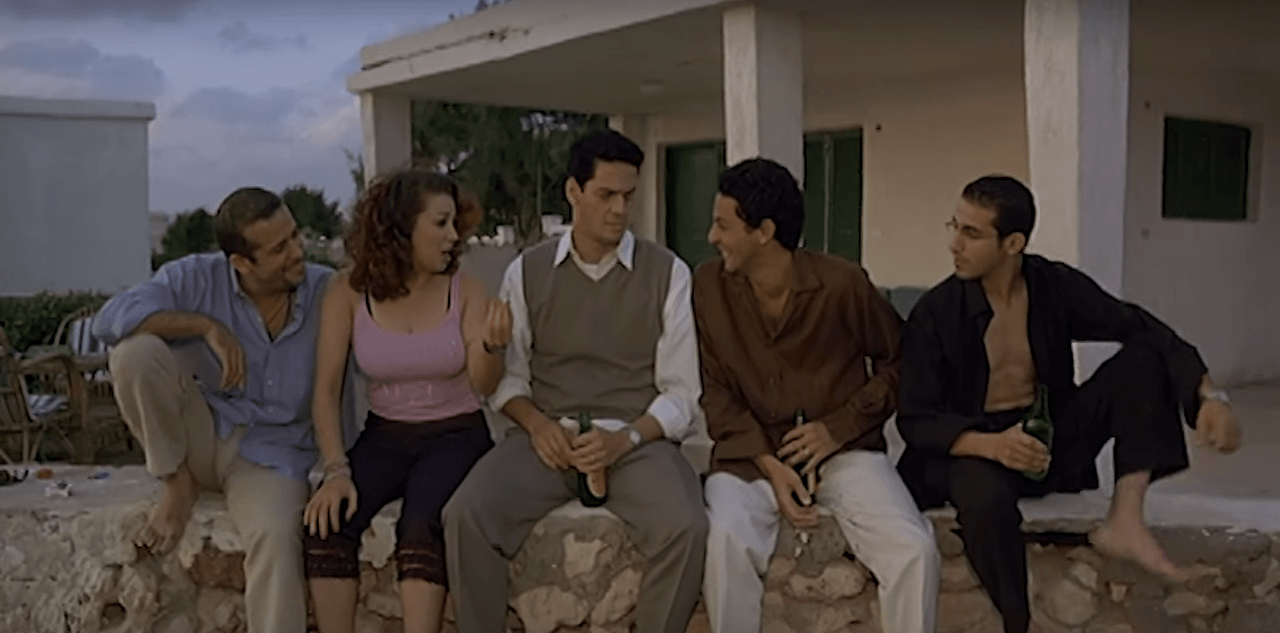
Egypt’s cinematic gems: Sleepless Nights
Hany Khalifa's frank film broke the prudish "clean cinema" trend in 2003.
Your support is the only way to ensure independent, progressive journalism survives.
You have a right to access accurate information, be stimulated by innovative and nuanced reporting, and be moved by compelling storytelling. Subscribe now to become part of the growing community of members who help us maintain our editorial independence.
Join us