
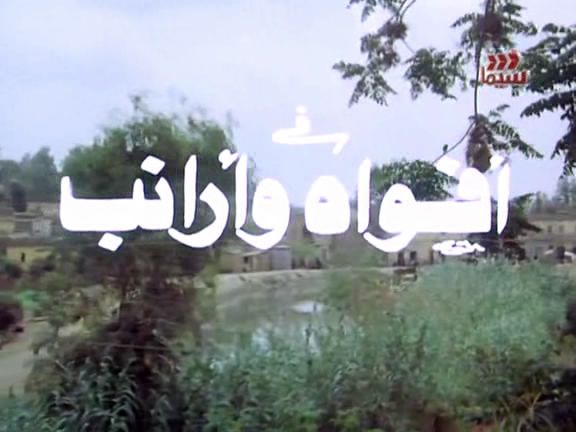
Egypt’s cinematic gems: ‘Mouths and Rabbits’
When Faten Hamama, “the lady of the silver screen,” accepted a role in Salah Abou Seif's La Anam (Sleepless) in 1957, she was taking a risk. By playing a decadent young woman suffering from the Electra complex, she punctured the good-girl image her audience had come to envision for her in the years since she started acting in 1939, at the age of seven. The movie was a success, but many Hamama fans were disappointed.
By 1964, Hamama had played several villains and noticed that each time her fans felt sad, as she told an interviewer from a French TV channel during the Cannes film festival. In 1959 she starred in Doaa al-Karawan (The Nightingale's Prayer), directed by Henry Barakat, as a psychologically traumatized young woman called Amna avenging the death of her sister. The film marked the peak of the Hamama-Barakat partnership, which started in 1954 with Dayman Mayak (Always with You) and persistently addressed topics related to women and Egyptian society.
The two were still working together in 1977 and Hamama played the lead, Neama, in Barakat’s Afwah we Araneb (Mouths and Rabbits) that year. Written by Samir Abdel Azim, it also starred heartthrob Mahmoud Yassin, and wasn’t the first movie that combined these two stars and their equally influential director.
Neama, a woman from a small village near Mansoura, lives with her sister Gamalat, her sister's husband Abdel Maged (Farid Shawky), and her nine nieces and nephews. Neama works in an ice-cream factory to support the family, while Abdel Maged glides through life depressed and drunk.
“Having a man beside you is safety,” says Gamalat to her independent sister after a nasty fight with Abdel Maged about his drinking problem. Unfortunately, this middle-class Egyptian woman, who considers a man to be her buffer in life even though he is a useless drunk, is not an implausible character.

To get out of financial difficulty, Abdel Maged and Gamalat marry Neama to the village chicken vendor who is wealthy yet married to three other women and a father to 22 children. Neama escapes to Cairo and starts a new life as the housekeeper of a wealthy landowner, Mahmoud Bey (Yassin) and a love story is born. But when Neama returns to her village to inform her family of her long-awaited wedding, she realizes she is already married.
In 1971, Barakat’s Al-Kheit al-Rafee (The Thin Line), also starring Hamama and Yassin, sought to inform audiences that women’s liberation and immorality are dangerously close to each other through the story of Mona, who starts a relationship with Adel out of wedlock and helps him ascend the social and professional ladder only for him to leave her for a younger and more conventional woman.
Neama, Mona and Amna, despite their different characters, lives and backgrounds, share two important traits: A natural desire to break free from societal ties and an abiding weakness for the man in their lives, an aspect that is always cleverly enveloped in a soft layer of romance by Barakat.
In Mouths and Rabbits, when Mahmoud walks into Neama's room accidently and finds her putting make-up on, he goes into frenzy and starts hysterically wiping off her lipstick before aggressively kissing her. It’s reminiscent of a scene from yet another Hamama-Barakat movie — often acclaimed for its feminist message — Al-Bab al-Maftouh (The Open Door, 1963), in which Laila, the protagonist (Hamama), is told by her professor and fiancé to wipe off her lipstick because she is not like the other girls. Laila happily complies.
At one point in Mouths and Rabbits, Mahmoud tells Neama that in his eyes her weakness makes her the strongest.

But despite its confused feminist message, which is clearly constructed from a male perspective, the movie does tackle class reconciliation, birth control, and internal migration from poor rural areas to urban centers. Neama leaves behind a struggling family of 11 to go to the city and commence a battle against class segregation, personified by Ragia, Mahmoud's educated sister, who flies home to stop her brother from marrying a “maid” and bringing disgrace to his reputable family of landowners.
Barakat uses documentary footage of the Egyptian masses commuting, walking and eating, and smoothly weaves it into the fabric of the drama. Shot from a moving car, the footage conveys Neama's overwhelming shock when she arrives in the city and sees how populated it is. This was Barakat's first attempt at embedding unfamiliar material in one of his films; it’s accompanied by a song with a folkloric jingle mixed with the raw voice of Fatma Eid, a singer known for her traditional songs and attire. Although grainy and much brighter than the rest of the movie, which is mostly shot indoors, the documentary material blends in and successfully shows how Neama sees her new world.
It is worth watching for this, for the social issues it tackles, for the assured acting and directing, and for the engrossing drama: The plot, an Egyptianized combination of Cinderella and My Fair Lady, gave the movie commercial and critical success.
But it is a tamed, weakened dose of feminism, in a masculine wrapping: It praises a woman for breaking her boundaries, yet sets her on a path that leads her back into a man's control. Neama wins her fight against ignorance, and against sickening preconceived social norms, yet fails in the smallest fights — for her right to wear make-up for instance, or in managing to call her fiancé by his name instead of “Si” (master) Mahmoud or “Bey,” even though she’s about to marry him. It’s not unlike Laila in The Open Door, who finally succumbs to her activist inclinations and goes against her father's will only when the man she loves tells her she can.


Amany Ali Shawky
Amany is a Lifestyle and Society Reporter with Mada. With 10 years in journalism and publishing, she has written for everything from news to culture, environment and fashion, street politics…
تقارير ذات صلة
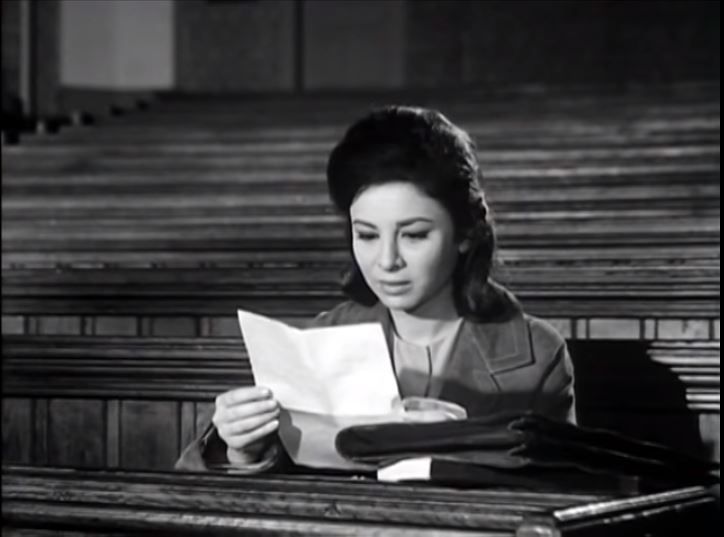
Egypt’s Cinematic Gems: The Open Door
Ismail Fayed explores Henry Barakat’s adaptation of Latifa al-Zayat’s 'The Open Door'
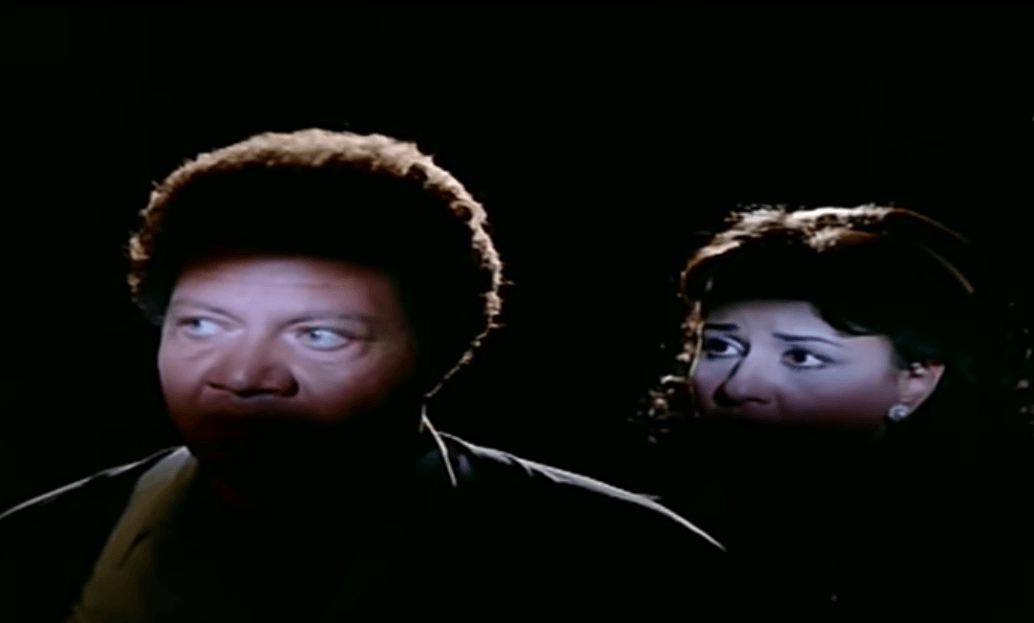
Egypt’s Cinematic Gems: Love’s Last Story
Raafat al-Mihi’s third feature combines symbolism with an unflinching awareness of reality
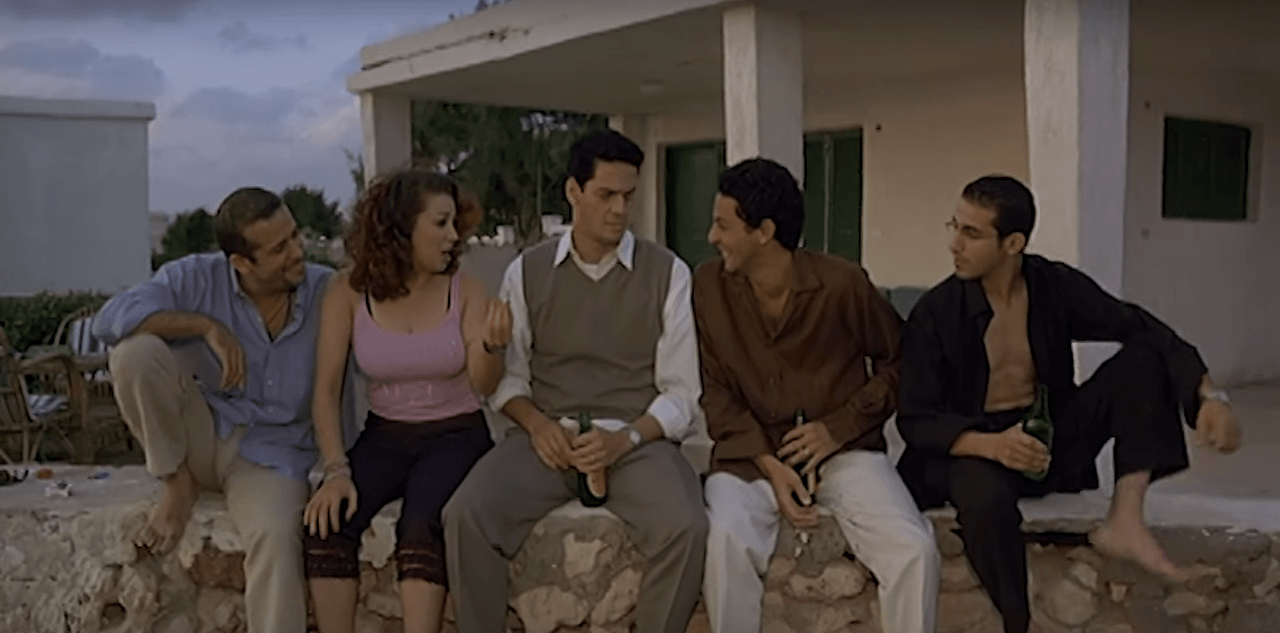
Egypt’s cinematic gems: Sleepless Nights
Hany Khalifa's frank film broke the prudish "clean cinema" trend in 2003.
Your support is the only way to ensure independent, progressive journalism survives.
You have a right to access accurate information, be stimulated by innovative and nuanced reporting, and be moved by compelling storytelling. Subscribe now to become part of the growing community of members who help us maintain our editorial independence.
Join us