
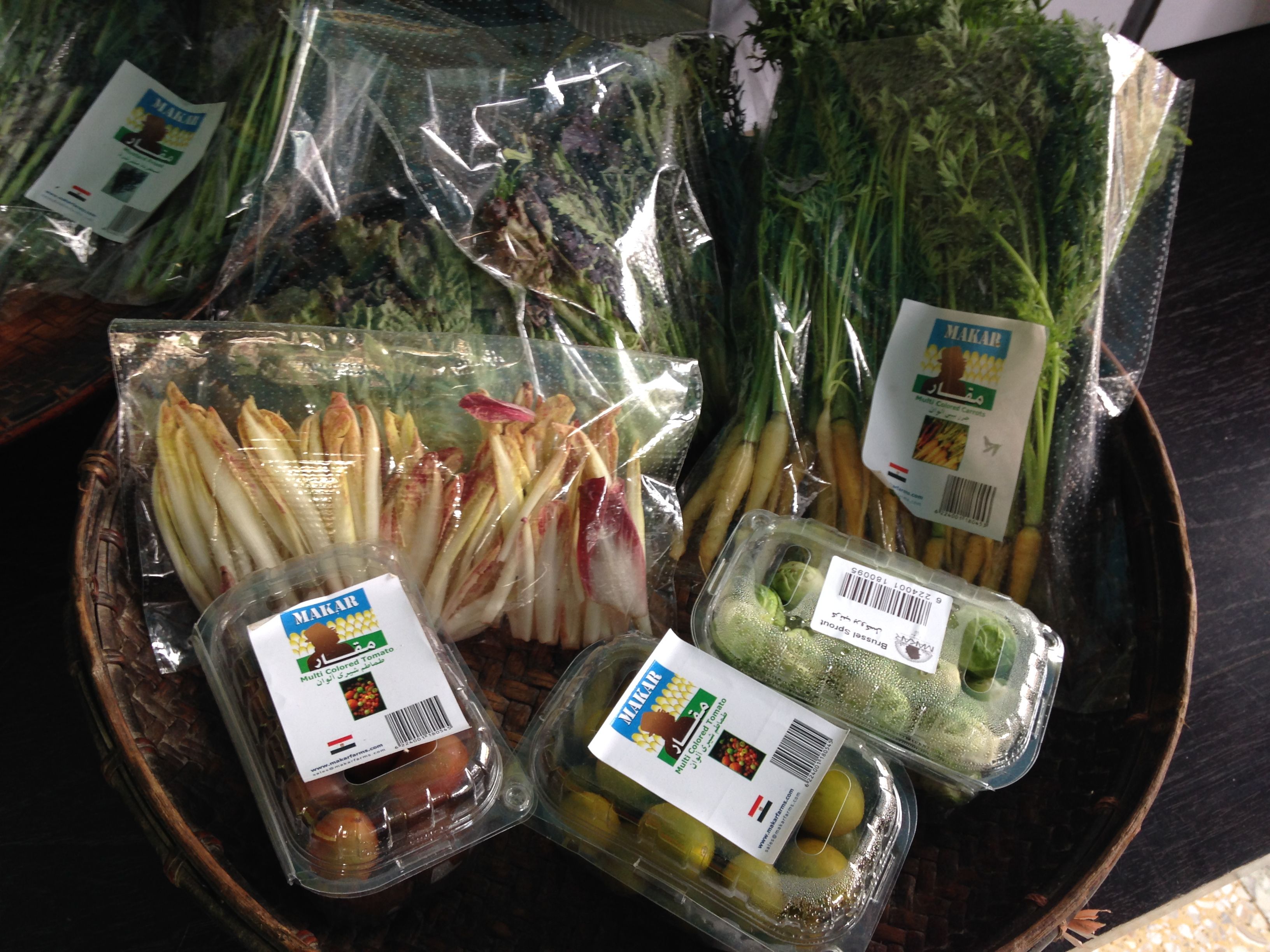
Eating clean
With New Year’s resolutions behind us and spring on the horizon (peak time for getting ready for summer), people are constantly trying to find the easiest and fastest solution to weight loss. Whether you can’t stand working out but are willing to give up your favorite foods, or you work out like crazy but can’t stop popping chocolate, or you eat and laze around on the couch, many of us wish we could get into (or back into) shape.
In my search for the holy grail of inshape-d-ness, I have come across what may or may not be an inconvenient truth. No matter how your body responds to starvation, days of yogurt and bananas, or gallons and gallons of water, none of these solutions will last longer than the event you’re trying to get into the dress for, or the relationship with the guy (or girl) who makes you feel fat.
The only real way to get in shape is to change your lifestyle.
“Rather than momentarily counting calories or calculating portions, your focus is better spent checking ingredients,” says nutritionist Samir Ibrahim. “Eating clean” — or making sure that the food you eat is natural — is a process of becoming healthier and has the convenient side effect of regulating your weight.
Ibrahim’s take on the obesity crisis around the world is that it is not merely the result of a sedentary lifestyle of TV watching, online shopping and social networks.
“As food producers find cheaper ways to make pleasant tasting food that lasts as long as possible, our stomachs, and systems, become the victims of hundreds of different chemicals — from artificially produced sugars like lactose, maltose, and sorghum syrup to trans fats hiding in names like “partially hydrogenated oil.” Ibrahim warns of any ingredients you don’t know: “If it isn’t a food that you know like walnuts, bananas, tomatoes or olive oil, you shouldn’t be eating it.”
Ibrahim maintains that some of the worst culprits for hiding chemicals and sugar are fat-free foods. “Intuitively, eating “fat free” may seem like the better choice, but often to compensate for the fat, food producers are adding sugar.”
Ibrahim recommends you begin by simply eating “live food” (raw fruits and vegetables) and whole grains. This is a technique used by a number of nutritionists these days including weight loss guru Jon Gabriel. Gabriel says that by beginning with good proteins and live food, you will eventually cease craving processed foods and sugars.
“By filling your diet with the nutrients your body needs, you will eventually stop craving other vitamin-empty foods to fill the gaps,” explains Ibrahim.
“Compare it to hunger — When you’re severely hungry, your decision making powers are impaired, you purchase too much food at the supermarket, you eat very large portions. When your body is hungry for nutrients, it sends off illogical signals too.”
“I’ve been “eating clean” for six months now and my energy levels are much higher,” says Nadine Issa, 35. Issa started by eating bananas in the morning and worked up to four servings of fruit and vegetables per day. “When I wanted to snack, I’d eat nuts and when I needed carbs, I turned to sweet potatoes.”
“I had so much processed food in my house and I let myself eat it when I craved it, but I stopped and threw out the rest after two months of “eating clean”, says Sarah Nazmi, 42. For Nazmi, the key was not suppressing cravings. “I’d eat the chips, but I’d have to get through half a cup of strawberries first.”
Along with helping weight loss, Ibrahim adds that “eating clean” boosts immunity, lessens digestive problems and allows the body to reap energy from food. “As long as you’re ingesting processed foods, your body doesn’t know what to do with them and stores them as fat.”
Although eating clean won’t be your quick fix, it should be your long-term goal. “Good health and energy will boost metabolism,” explains Ibrahim, “and the health benefits could add years to your life.”

Nevine El-Shabrawy
Nevine is the creative brains behind the Life & Society section. A mother of two and a hardcore feminist, Nevine’s wit and insight are translated into her writings.
تقارير ذات صلة
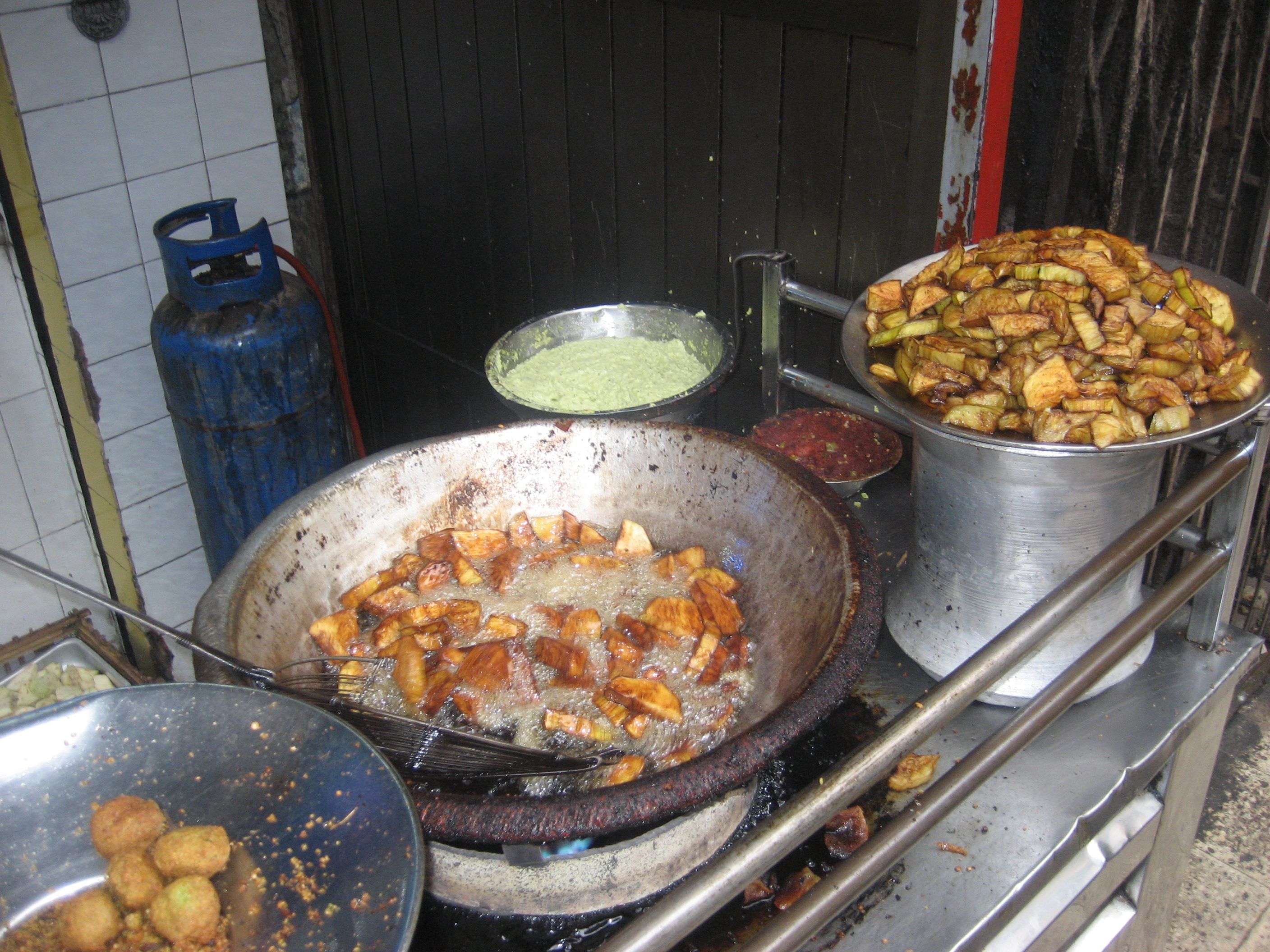
Egypt’s working poor are facing a silent killer: Bad food
Increasing rates of diabetes and heart disease are an inevitable result of a broken food and health system
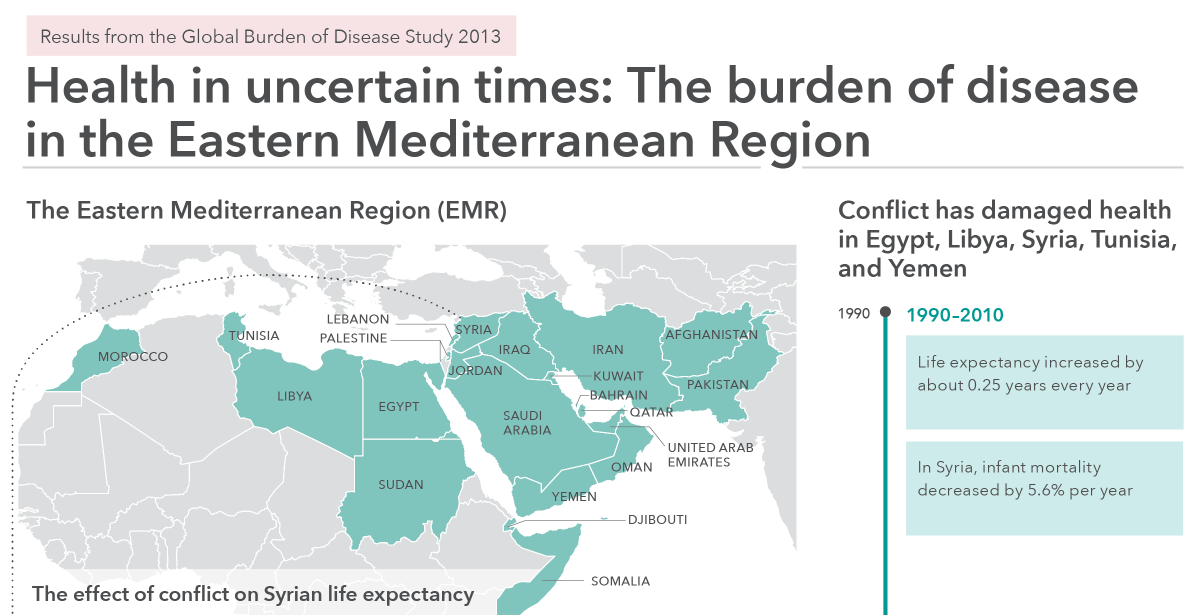
Health problems loom on Egypt’s horizon
A report collating data from across the Eastern Mediterranean Region warns of deteriorating health conditions. Mada Masr speaks with one of the report’s authors about public health in Egypt.
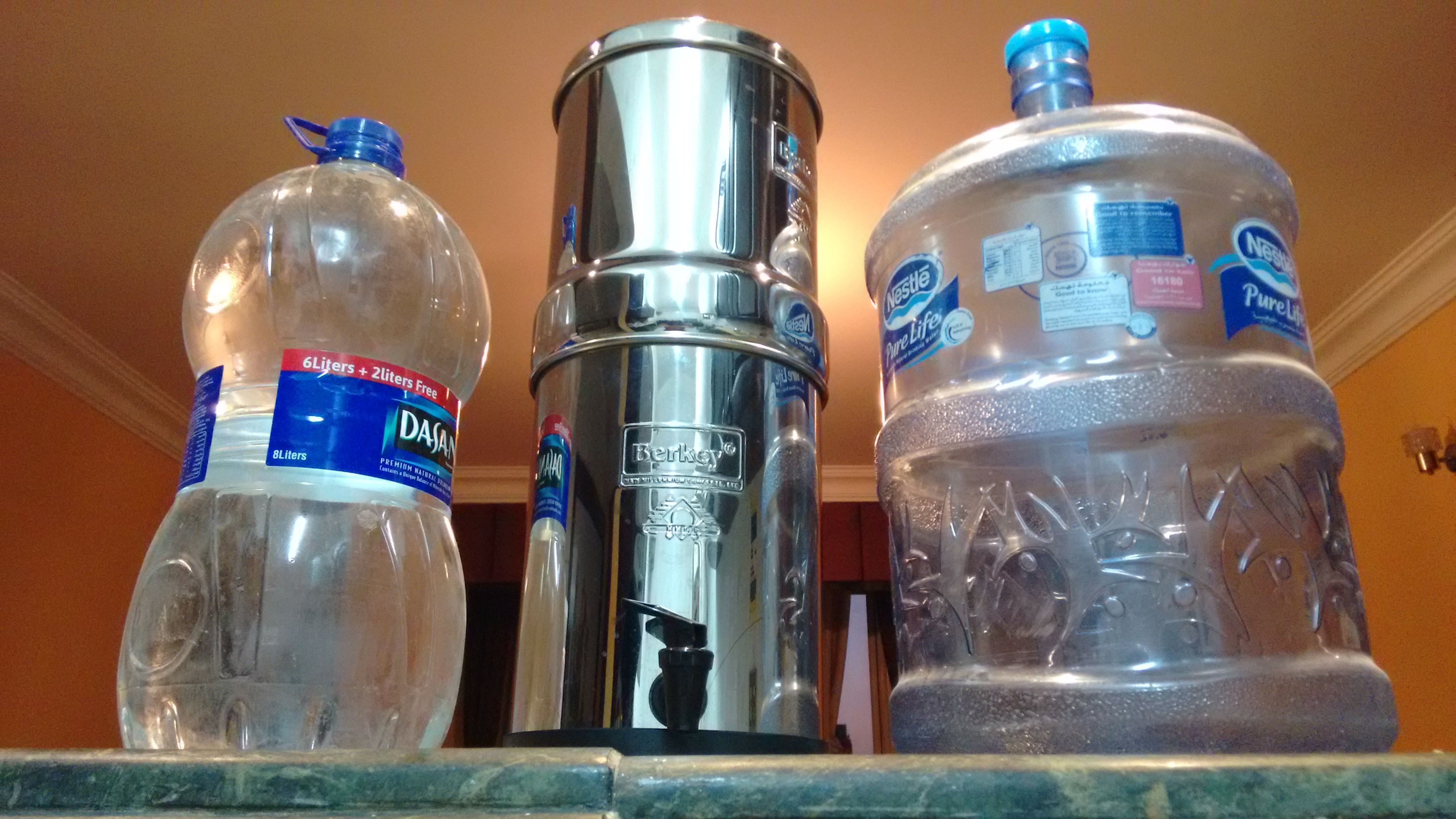
Is it safe to drink the tap water in Cairo?
How safe is Cairo's tap water? What filters are worth the money? Read advice from experts.
Your support is the only way to ensure independent, progressive journalism survives.
You have a right to access accurate information, be stimulated by innovative and nuanced reporting, and be moved by compelling storytelling. Subscribe now to become part of the growing community of members who help us maintain our editorial independence.
Join us