
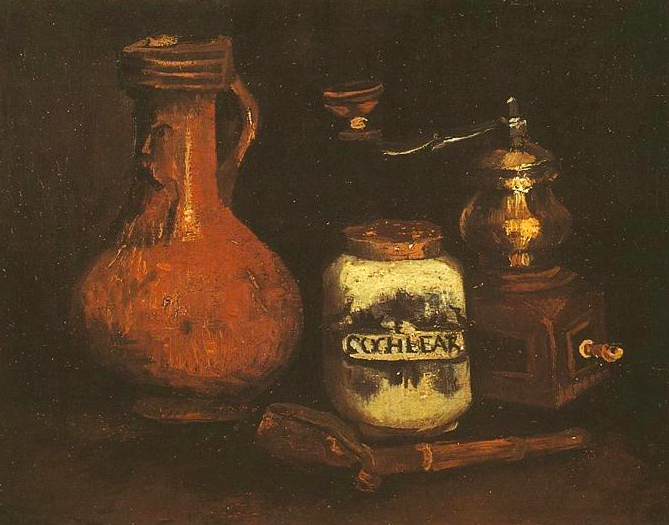
Detox | Coffee: A process
Much has been said about the origins of coffee: some accounts say it was first discovered in Ethiopia, others in Yemen. In our region, there was a point in time — very long ago — when it was actually banned, as it turns out that qahwa (Arabic for coffee) is one of the synonyms for khamr, or wine. In all cases, there is no doubt that coffee plays a major role in our lives today.
It is interesting to see how one tiny bean has so much influence on us: coffee aficionados all around the world depend on it to balance their systems, boost their energy levels or simply to lift their mood. Coffee is not only a drink, it is also a social event, a mental break, and — to some coffee snobs — an art. It also has a long and far-reaching history, filled with countless, layered narratives.
[wonderplugin_video iframe="https://www.youtube.com/watch?v=95cufW4h-gA&ab_channel=BobDylanVEVO" lightbox=0 lightboxsize=1 lightboxwidth=960 lightboxheight=540 autoopen=0 autoopendelay=0 autoclose=0 lightboxtitle="" lightboxgroup="" lightboxshownavigation=0 showimage="" lightboxoptions="" videowidth=800 videoheight=400 keepaspectratio=1 autoplay=0 loop=0 videocss="position:relative;display:block;background-color:#000;overflow:hidden;max-width:100%;margin:0 auto;" playbutton="https://www.madamasr.com/wp-content/plugins/wonderplugin-video-embed/engine/playvideo-64-64-0.png"]
Above all, however, coffee is a process — and this is what this week’s edition is about. There’s no need to sing the usual praises: the taste, the aroma or the burst of condensed creativity some say they experience when they consume coffee. We simply seek to acknowledge and appreciate the invaluable presence of coffee in our lives, and we decided to do that by examining the steps that precede the moment we drink it: What goes into making the perfect cup of coffee?
Choosing your beans
For the best coffee experience, you need to be picky when you are buying your beans. Here are a few tips to consider while choosing your coffee at the store:
-High quality coffee beans are loaded with oils and acids, therefore make sure to look for glossy coffee beans, as when they are roasted those oils are drawn out, coating the beans in a beautiful shiny layer.
-If you are buying packaged beans, make sure the package has a plastic valve in the center, in order for the Co2 to escape. If your coffee package doesn’t have this, your coffee won’t stay fresh for long.
-When it comes to flavor, you should be looking for coffee that tastes balanced and filled with complex flavors. It should not taste too roasted, burnt or raw. There should be a balanced ratio between acidity, bitterness and sweetness. Overall, it should be smooth on the tongue. Good quality coffee should leave you wanting another sip, even without having to add milk or sugar.
Storing coffee at home
The best way to store your coffee beans and keep them fresh depends on how soon you plan to use them. Coffee is hygroscopic, meaning it absorbs moisture, odors, and flavors from the surrounding air. In order to retain the fresh roast flavor, it's important to keep coffee beans away from heat, light, air, and moisture.
For short-term storage:
-If you are going to use the coffee beans in the next few weeks it is best not to freeze or refrigerate them because that can expose them to dampness and smells from other food.
-You should store coffee beans in an airtight container and keep it in a dark, cool place away from the stove and other sources of heat.
For long-term storage:
- Coffee stays fresher longer in the freezer than the fridge.
-You can ditch the original packaging, instead sealing small portions of the beans in several plastic zipper bags to fend off freezer burn. They can stay put for a month before the quality starts to deteriorate.
-When you want to use a bag of coffee beans, defrost it and transfer the beans to an airtight container and do not re-freeze them.
The grind
The first step when preparing your coffee is grinding your beans. Some prefer manual grinders, others rely on electrical ones. In all cases, grinding can be tricky and will require some experimentation, but once you get the hang of it it will come easily. The next guidelines will help you get the right grind for the appliance you’re using and the kind of coffee you want to make:
-If you’re using a French press, you need a coarse, chunky ground.
-A medium ground, with a similar texture to sea salt, is the best option for a “drip” coffee maker, which is used to make American coffee.
-As you grind further, you will reach the consistency of table salt, and this is the best ground for making espresso using an electric coffee machine or a moka/stovetop pot.
-When your ground beans look and feel like powdered sugar, that is the texture you need if you want to make Turkish coffee in a traditional cezve or kanaka.

Now that you’ve ground your beans, here are the different types of coffee you can make (mostly using espresso, which is rather versatile) — and be sure to use the same liquid ratios as shown in the diagram:

Some of the drinks in the chart above require a froth, which often seems complicated. However, there’s a way to steam milk so that it creates the required froth without using a machine, which you can watch here.

تقارير ذات صلة
Detox | An ode to the delivery worker
On curfew nights, only the roar of delivery motorcycles and the barking of dogs pierced the silence.

Detox | The final puff
I decided to quit, with the hope that I would continue to be kick-ass even without cigarettes.
Detox | A tuk tuk ride through the world of anthropology
We chat with anthropologist Mai Amer, the creator of a new show called Tuk Tuk.
Your support is the only way to ensure independent, progressive journalism survives.
You have a right to access accurate information, be stimulated by innovative and nuanced reporting, and be moved by compelling storytelling. Subscribe now to become part of the growing community of members who help us maintain our editorial independence.
Join us