اتجه عدد كبير من المصريين للسياحة الداخلية، نظراً لانخفاض قيمة الجنيه وصعوبة الحصول على تأشيرات سياحية لدول أجنبية. واستمر تدفق السياح على جنوب سيناء، نتيجة المخاوف الأمنية بشأن التجول في بقية أنحاء شبه الجزيرة، خصوصاً شمال سيناء، التي تشهد قيودًا على الحركة جرّاء تهديد الجماعات المُسلحة والحملات الأمنية التي تشنها قوات الأمن، منذ عزل الرئيس الأسبق محمد مرسي من السلطة عام 2013.
وفي محاولة لإنعاش السياحة في مناطق جنوب سيناء غير المطروقة، تعاونت ثلاث قبائل في المنطقة، وحصلت على دعم أجنبي لإطلاق مشروع «درب سيناء»، وهي مبادرة لتسلق الجبال والتجول في منطقة بمساحة 200 كيلومتر، تمتد من خليج العقبة إلى مدينة سانت كاترين.
وجّه المنظمون لي دعوة لتغطية المشروع صحفياً، فانضممت إلى 21 شخصاً من هواة التنزه سيرًا على الأقدام، والصحفيين، في الرحلة الأولى للمشروع. وبعيداً عن الطرق التي تربط المدن في سيناء، تتمتع المناطق الداخلية الجبلية بدرجة ما من الاستقلالية، إذ يديرها ويشرف على تأمينها عدد من القبائل البدوية، التي تربطها علاقات جيدة بقوات الجيش في المنطقة.
«يمكن للقبائل الحفاظ على سيناء آمنة دون استخدام أسلحة. نحن نلتزم بالعُرف البدوي الذي لا تتدخل الحكومة في تطبيقه»، هذا ما قاله الشيخ أحمد أبو راشد من قبيلة الجبالية، والمتحدث باسم مشروع «درب سيناء».
وعلى الرغم من الاستقلال النسبي، أكّد أبو راشد على العلاقة الطيبة بين القبائل البدوية والقوات المسلحة. «غالباً ما يُساء فهم البدو من جانب الشباب والجنود من ذوي الرتب الصغيرة، لكن اللواءات يفهمون ثقافتنا وقيمنا»، قال أبو راشد، مضيفا: «ولكي نتجاوز أي سوء فهم بين قوات الجيش والبدو، ولكي نتجنب أي عنف غير ضروري، نحرص على تعليم شبابنا كيف يتعامل مع الجنود بطريقة مناسبة».
حرص المشاركون في «مبادرة درب سيناء» على الحصول على دعم من وزارة السياحة، ولكنها لم تستجب لمطالبهم، ولم ترد على اتصالاتهم أو تحدد مواعيد للالتقاء بهم. وحاول ممثلو البدو التواصل مع الوزارة أكثر من مرة، لكي تساعدهم في تسليط الضوء على أنواع السياحة الجبلية المختلفة في سيناء، وألا تقتصر السياحة في شبه الجزيرة على المنتجعات الساحلية.
«لم تستمع إلينا وزارة السياحة إلا بعد فوزنا بمسابقة أفضل مشروع سياحي، التي نظمتها الجمعية البريطانية للكتاب السياحيين، في نهاية 2016»، قال أبو راشد، ولكن الوزارة لم تقدم لهم أي دعم يُذكر.
ويوفر مشروع «درب سيناء» وظائف لأبناء القبائل البدوية، ولهذا يحاول القائمون عليه التغلب على العقبات التي تواجههم.
In November 2016, 22 hikers from Egypt, Italy, Jordan, the US, the UK, New Zealand and Spain, accompanied by guides and a caravan of cameleers, started walking over 200 kilometers from the Gulf of Aqaba at Ras Shitan to the city of Saint Catherine.
They were the inaugural group to hike the full length of the Sinai Trail — a first of its kind collaboration between three Bedouin tribes aiming to create a new kind of tourism in Sinai that is distinct from its large beach developments.
The trail took them on rocky paths, through vast tracts of soft sand and over a few mountaintops. They came across unfamiliar plants, insects and animals. Here Mostafa Abul Fadl inspects an insect.
The Bedouin community once made a living guiding pilgrims and traders through the Sinai mountain ranges, but today this practice has become a rarity, as the government has focused on costal tourism developments, leaving central Sinai underdeveloped and under a tight security lock down. Without economic incentives, younger generations are losing the skills and culture of their nomadic past. One of the primary goals of the Sinai Trail is to train Bedouin youth in the ways of the mountains. Badr (left) and Seif (right) are two of the youngest trainees that accompanied the expedition.
Hikers would wake at sunrise and start walking around 8.30 am, reaching their next campsite shortly before sunset, around 5.30 pm. Fatigued by the day, many hikers would call it a day as early as 8 or 9 pm, while others would share stories, poetry or music.
“Life is good,” Musallem, a guide from the Tarabin tribe would repeat, like a mantra of sorts that caught on with the rest of the team.
Most days there was no shelter from the sun except for sparse trees, so the wild reeds provided a perfect refuge for hikers during their lunch breaks.
The hike passed through three tribal territories, and a convoy of cameleers from each tribe accompanied the hikers, carrying their luggage, food and water. Most of the time, the caravan and hikers walked different routes and reunited later in the day at the campsite.
The Bedouin guides would stop and educate the hikers on wildlife in the mountains, including plants. Musallem described the faith many Bedouins have in the healing powers of the plants, stressing that it only takes place if you believe in it. “Don’t you take a pill believing it will cure you too?” he says.
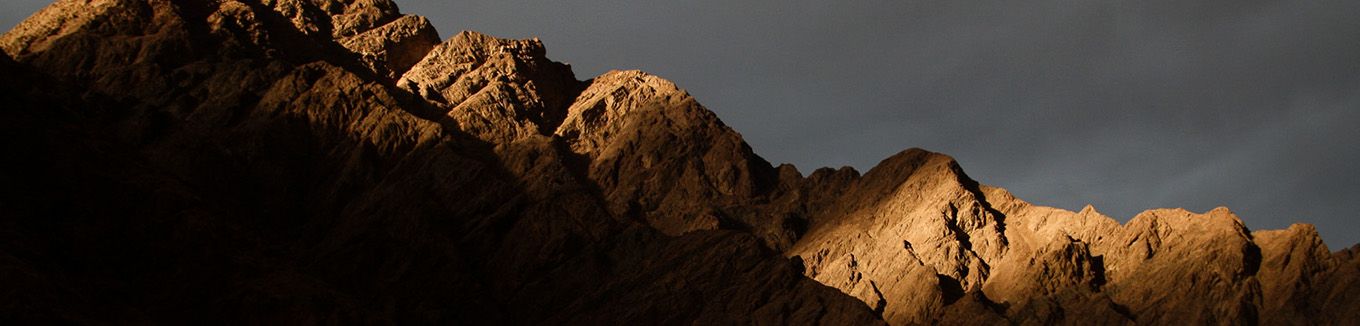
Ephemeral evening light cuts through the mountains in the moments before the sun sets.
There aren’t many mobile phone towers in central Sinai, but sometimes when cresting a tall mountain, hikers would discover a signal and make a call or check their emails. Knowing which mountaintops are within range of a signal is one of the new skills the guides have acquired. This was especially useful when one of the trainees became sick and needed to be removed from the trail.
The Sinai Trail is one of the few cross-tribal projects in Sinai, as it passes through the territories of the Tarabin, Mezeina and Jebeleyya tribes. Although the tribes are at peace with one another, they usually keep to themselves. On the trail, senior guides, trainee guides and cameleers from different tribes have to collaborate. In this photo are Musallem Abu Farraj (left) from the Tarabin tribe and Nasr Mansour (right) from the Jebeleyya tribe.
The three daily meals were simple but surprisingly tasty. Usually comprised of freshly baked bread, vegetables, soup and various types of salads, they relied on ingredients high in carbohydrates and fiber to energize hikers.
The nawamis are a group of circular buildings near the main road connecting Nuweiba and Saint Catherine. Although people agree the buildings may date back to Ancient Egypt, there isn’t any information available on what they are or who built them.
Halfway up Mount Moses, Julie Paterson and Nick Redmayne improvised a hair salon using a Swiss knife and a shawl.
Walking through the mountain range, one encounters ever-changing terrains, from rocky and rigid routes to vast sandy plains.
Sheikh Ahmed Abu Rashed from the Jebeleyya tribe, official spokesperson for the Sinai Trail, meets with the hikers. Although key Bedouin representatives have often reached out to ministry officials in a plea to include all of Sinai in their tourism campaign, it wasn’t until the Sinai Trail won the Best Tourism Project at the British Guild of Travel Writers in late 2016 that the community had any responses from ministry personnel.
After summiting Jebel Moussa (Mount Sinai) on day 10, the hikers descended just 300 meters from the summit and set up camp at Farsh Elias (Elijah’s Basin). The cold was debilitating, so they gathered around the fire to recharge before heading back to the trail.
In the final days of the expedition, some hikers celebrated pushing their physical limitations, while others sat quietly, breathing in the serenity of the view and the silence.
With a passion for people and their unique experiences, Enas roams near and far in pursuit of stories that feed her perspective on life and understanding of herself. Through storytelling, she…
دعمك هو الطريقة الوحيدة لضمان استمرارية الصحافة
المستقلة والتقدّمية
عشان من حقك الحصول على معلومات صحيحة، ومحتوى ذكي ودقيق، وتغطية شاملة؛ انضم الآن لـ«برنامج عضوية مدى» وكن جزءًا من مجتمعنا وساعدنا نحافظ على استقلاليتنا التحريرية واستمراريتنا.
هذه نسخة مطبوعة من مقال نُشر على Mada Masr — الرابط الأصلي: https://mada.aisoftwareinsights.com/panorama/%d8%af%d8%b1%d8%a8-%d8%b3%d9%8a%d9%86%d8%a7%d8%a1-%d9%85%d8%a8%d8%a7%d8%af%d8%b1%d8%a9-%d8%a8%d8%af%d9%88%d9%8a%d8%a9-%d9%84%d8%aa%d9%86%d8%b4%d9%8a%d8%b7-%d8%a7%d9%84%d8%b3%d9%8a%d8%a7/