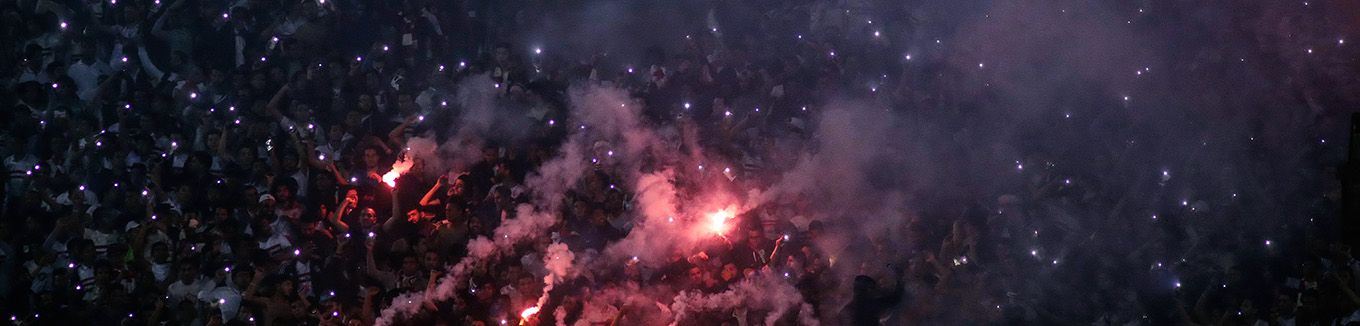
عشرة سنوات، هذا هو عمر رابطة مشجعي نادي الزمالك، ألتراس وايت نايتس، التي تأسست في 17 مارس 2007. وبرغم الفروق العمرية والطبقية والفكرية بين أعضائها، إلا أن رابطًا واحدًا يذوِّب تلك الاختلافات، ويجمعهم؛ وهو حبهم لناديهم.
خلال السنوات العشرة، ومع الكثير من المشكلات المالية والإدارية التي واجهها النادي اﻷبيض، لم تؤثر الهزائم التي تلقتها الفرق الرياضية للنادي في تعلق الوايت نايتس بالزمالك، ولم تؤثر حتى على حضورهم المكثف للمباريات في اﻷلعاب المختلفة، حين يكون ذلك مسموحًا، بل وللتدريبات، ولم تزدهم تلك السنوات إلا تمسكًا واقتناعًا بالشعار الشهير الذي يختصر الكثير من تفاصيل وقناعات مشجعي اﻷبيض: سنظل أوفياء.
خلال ثورة يناير 2011 كان للألتراس دور مهم على اﻷرض، حين شاركوا في معظم التظاهرات والاعتصامات، خاصة في اشتباكات جمعة الغضب، في 28 يناير، واشتباكات شارع محمد محمود في نوفمبر 2011، ومنذ ذلك الوقت، أصح هناك عداء ظاهر، ومتبادل، بينهم وبين قوات اﻷمن.
في اﻷول من فبراير 2012 قُتل 72 مشجعًا من ألتراس أهلاوي في ملعب بورسعيد، لتقام مباريات الكرة بدون جماهير لفترة طويلة، وبعد عودتها، شهد مدخل ستاد الدفاع الجوي مقتل 20 مشجعًا من جمهور الزمالك، في الثامن من فبراير 2015. وهي المذبحة التي تم اتهام أفراد من الألتراس بالاشتراك فيها، وتلتها حملة اعتقالات موسعة ﻷفراد المجموعة، وتم حبس عدد منهم بالفعل، ليصل عدد أفراد اﻷلتراس الذين تم حبسهم في السنوات الست اﻷخيرة إلى قرابة 250 فردًا.
بخلاف علاقتهم السيئة بقوات اﻷمن، يمارس الإعلام المصري دورًا في إظهار مجموعات اﻷلتراس المختلفة بمظهر سلبي، مروجًا الكثير من المعلومات المغلوطة عنهم، مستغلًا عدم إقبال أعضاء المجموعة على الظهور الإعلامي، وكذلك طريقتهم في التشجيع، التي يراها البعض مبالغ فيها.
«فوق العادي»، هذا هو اﻷصل اللاتيني لكلمة ألتراس، وهي أيضًا الدرجة التي يرى بها أعضاء الرابطة انتمائهم وتشجيعهم لناديهم، وكذلك علاقتهم ببعضهم البعض، التي يصفونها بشعار «إخوات في الدم»، والذي يرمز للانتماء الذي يجمعهم، والذي يجعل لكل منهم دور في تشجيع فرق النادي في اﻷلعاب المختلفة، مستغلين مهارات كل فرد في المجموعة، لتظهر الرابطة بشكل لافت دومًا، أبرز ما فيه ترابط أفرادها، الذي لا ينتهي بنهاية مباراة أو بطولة، بل هو، بالنسبة لهم، أسلوب حياة، يؤازرون فيه بعضهم البعض، كما يؤازرون أسر أفراد الرابطة المحبوسين، أو الذين رحلوا في أي من حوادث الأعوام الماضية، والّذين تخلدهم الرابطة دومًا، في دخلاتها، وهتافاتها، أو حتى في أغنياتها التي ضمنتها ألبوماتها الثلاث التي أصدرتها (الزمالك هو الحياة، صوت الفرسان، 8 فبراير).
Mother and younger brother of UWK member Amr Hussein outside their home in Warraq, Giza. Hussein was killed on September 19 during a protest dubbed “The Revolution of Zamalek Fans,” staged by fans associated with the club’s former president, Mamdouh Abbas.
Ultras wear matching clothes with the club’s flag and colors.
Ultras prepare their repertoires and chants. Security personnel photograph the ultras and monitor their numbers under the pretext of securing stadiums.
Ultras color coordinate their banners and placards. Over the last three years, police have frequently banned ultras from bringing such props into stadiums.
More than 50 UWK traveled to Tunisia in August 2015 for the match between Zamalek and Tunisian club Sportif Sfaxien, their first stadium appearance since the deaths at Cairo’s Air Defense Stadium. They held posters of the 20 fans who died, and denounced club President Mortada Mansour, despite Tunisian authorities attempting to confiscate their banners.
UWK also support other teams, such as Zamalek’s Junior Volleyball Team. They are singing, “Scream of the 20,” about the 20 fans who died at Cairo’s Air Force Defense Stadium.
UWK return to their seats on the right-hand side of the stadium (Talta Yemeen in Arabic) for the first time since the deadly Port Said stadium violence, for a game against Niger’s AS Douanes Club in the African Champions League.
Ultras sing on the streets or on public transport, not just in stadiums.
The annual derby between Ahly and Zamalek is usually a special opportunity for ultras to rally together at stadiums. Here, two UWK fans watch the last derby match from home days after they were released from police custody following protests at the Zamalek Club’s headquarters.
UWK fans at the Petrosport Stadium chanting one of their songs during a match between Zamalek and Mouloudia Olympique Béjaïa in the African Champions League, April 9, 2016. This was the first public appearance of the UWK in Cairo after the Air Force Defense Stadium violence.
Regular Zamalek Club fans — who are not UWK members — light a flare to celebrate Zamalek’s victory in the 2015 league. The influence of the UWK was felt despite their absence at the game, which took place three months after the Air Force Defense Stadium deaths.
After years of being banned from matches, it was announced that fans and spectators would be allowed to attend the Zamalek vs. Enppi game at Cairo’s Air Force Defense Stadium on February 8, 2015. Crowds were forced to pass through a narrow metal cage to enter the stadium. After hours of waiting, police fired teargas into the crowds, resulting in a stampede and the deaths of 20 fans.
On hearing of the deaths at Cairo’s Air Force Defense Stadium, UWK and Zamalek Club fans called on players to withdraw from the game, which they refused to do.
The mother of a Zamalek Club fan who died outside Cairo’s Air Force Defense Stadium lights a flare during a commemoration service on the first anniversary of the violence, organized by the UWK at Cairo’s Fustat Park.
UWK founder Sayed “Mushagheb” stands trial for an alleged assassination attempt on club President Mortada Mansour, and for storming the club and staging protests. He was acquitted of the assassination attempt, but sentenced to one year in prison for storming the club.
More than 200 UWK have been jailed or imprisoned over the past three years. The charges against them have been largely filed by Mortada Mansour or security forces. Many have been released, but prominent fans, including: Sayed “Mushagheb,” Mostafa “Tabla,” Fahad Nagah “Saiytarra,” Yasser Sayed “Pogo,” Mahmoud Bassiouny, Mostafa al-Daly, Ayman Bala and Mohamed Hamdy “Gazara,” remain behind bars.
Friends of 19-year-old UWK member Abdel Rahman Emad, who died at Cairo’s Air Force Defense Stadium, paint his image on his tomb 40 days after his death.
Ultras visit the home of fallen fan Amr Hussein. Hussein had written, “Oh white t-shirt of life,” shortly before his death. These words were adapted into lyrics for an ultras song commemorating his life and death.
Match between Zamalek and Nigeria’s Enugu Rangers in the African Champions League at Cairo’s Salam stadium, March 12, days before the 10th anniversary of the UWK’s founding.
دعمك هو الطريقة الوحيدة لضمان استمرارية الصحافة
المستقلة والتقدّمية
عشان من حقك الحصول على معلومات صحيحة، ومحتوى ذكي ودقيق، وتغطية شاملة؛ انضم الآن لـ«برنامج عضوية مدى» وكن جزءًا من مجتمعنا وساعدنا نحافظ على استقلاليتنا التحريرية واستمراريتنا.
هذه نسخة مطبوعة من مقال نُشر على Mada Masr — الرابط الأصلي: https://mada.aisoftwareinsights.com/panorama/%d8%a2%d9%87-%d9%8a%d8%a7-%d8%aa%d9%8a%d8%b4%d9%8a%d8%b1%d8%aa-%d8%a7%d9%84%d8%b9%d9%85%d8%b1-%d9%8a%d8%a7-%d8%a3%d8%a8%d9%8a%d8%b6/