
UN delegation visits Egypt to investigate spread of bird flu
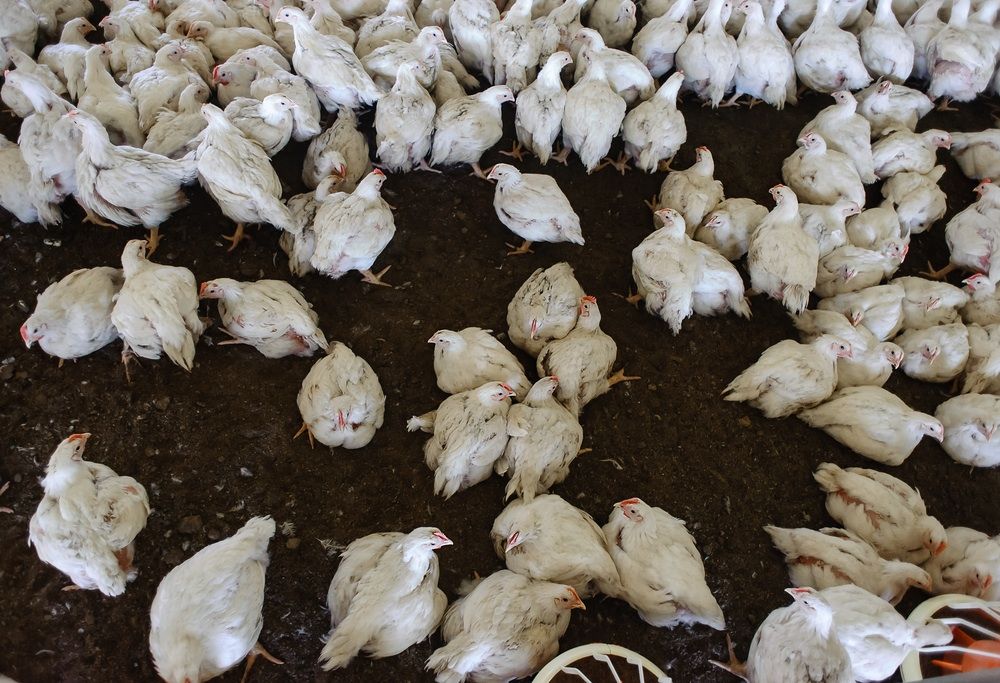
A delegation from the United Nations World Health Organization (WHO) and the Food and Agriculture Organization (FAO) arrived in Cairo on Sunday, along with representatives of other veterinary and health organizations, to investigate the growing number of bird flu infections nationwide.
This comes a day after the Ministry of Health announced on their official webpage the deaths of another two women due to the deadly H5N1 strain of the bird flu virus, along with the confirmed infection of a third woman, raising Egypt's casualties — in less than three months this year — to 49 infections, of which 16 have died to date.
These figures from the first nine weeks of 2015 are causing alarm both domestically and internationally, especially in light of the casualty rates from 2014, when only 27 infections were confirmed over a period of 12 months, of which 11 were fatal.
Over the next five days, the international delegation is scheduled to meet with ministerial officials involved in tackling the spread of the virus and conducting examinations in order to ensure that the H5N1 strain of the bird flu virus is not mutating into a more deadly form.
The delegation is scheduled to issue its findings in an official report to the Ministries of Agriculture and Health by Thursday.
During their five-day visit, the international delegation of veterinarians, virologists, and experts are to advise the Ministry of Agriculture on means of immunizing and safeguarding Egypt’s poultry industry, while also advising the Health Ministry on methods for containing the virus so that it doesn't continue to affect a growing number of humans.
In a televised interview on Saturday, Minister of Health Adel al-Adawy said bird flu has become an endemic virus since it first emerged in Egypt in 2006.
The Health Ministry's statements confirm that Egypt's latest bird flu fatalities are a 32- year-old woman from Monufiya governorate and a 43-year-old woman from Sharqiya governorate. A third woman, aged 43, from Giza governorate was admitted to hospital after testing positive for the bird flu virus.
A total of seven individuals are currently reported to be hospitalized after testing positive for the H5N1 strain of bird flu.
The Health Ministry also confirmed that three patients who had been infected with the virus were released from hospital on Saturday, including a boy under two years old and a three-and-a-half-year-old girl (both from Sharqiya governorate), along with a five year old boy (from Daqahliya governorate.)
The vast majority of bird flu infections and fatalities have been reported in rural, agricultural areas of the country. Women and children involved in the handling and breeding of poultry are most often the victims of this potentially-fatal virus.
The bird flu virus has also had a heavy impact on Egypt's poultry industry, with an unknown number of birds either dying of the virus or being culled. The extent of the financial losses incurred by the poultry industry as result of this year's bird flu outbreaks is not known.
On January 20, Prime Minister Ibrahim Mehleb decreed the establishment of the “Supreme Committee to Confront Bird Flu,” to contain and combat the spread of the H5N1 virus throughout the country and to protect Egypt's poultry industry from the potentially-deadly virus.
Nevertheless, the H5N1 strain of the virus continues to claim lives on a weekly basis.
On March 5, the Ministry of Health announced that it is enforcing a new nationwide preventative health care plan — worth LE 140 million — in hopes of keeping the bird flu from infecting more people.

أخبار ذات صلة
New strain of bird flu reported in 3 locations across Nile Delta
Agriculture Ministry officials have confirmed outbreaks of H5N8 in three northern Egyptian governorates
Increase in bird flu infections due to greater exposure: WHO
The World Health Organization (WHO) attributed the rising number of H5N1 (a strain of bird flu) infections in Egypt to increased exposure…
Bird flu infections in first 2 months of 2015 exceed all cases in 2014
The number of bird flu infections and subsequent fatalities continue to rise in Egypt, with the first two months of this year…
2 die of bird flu in Fayoum; 13 fatalities this year
Two young women have died of the bird flu in Fayoum, a Health Ministry statement announced on Sunday. Nesma Ahmed Hammad, 20, had a fever…
Your support is the only way to ensure independent, progressive journalism survives.
You have a right to access accurate information, be stimulated by innovative and nuanced reporting, and be moved by compelling storytelling. Subscribe now to become part of the growing community of members who help us maintain our editorial independence.
Join us