
TV host: Police rape case is a ploy to target the Interior Ministry
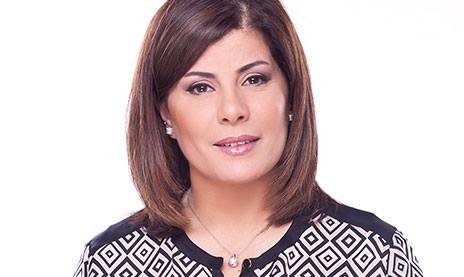
Television host Amany al-Khayat made controversial remarks during her Friday night show on Al-Qahera Wal Nas private satellite channel, claiming that an incident in which two low-ranking police officers raped a young woman is a ploy to target the Interior Ministry.
“Again, the Interior Ministry is being targeted by using low-ranking police officers. Like any other group in society, there are good and bad among the police,” Khayat said. “Let’s not pick one mistake and blow it out of proportion [..] let’s view this within its natural context.”
According to Khayat, rape is normal within a population of 90 million people, and not just at the hands of the police. She issued a warning to the presidential advisor for security and the interior minister that “some people are fishing for mistakes committed by low-ranking police officers, in order to target the ministry.”
“They use the social needs of these officers to encourage them to commit mistakes that are then documented and publicized by the media,” she claimed.
In December 2014, two low-ranking police officers were accused of sexually assaulting a young woman inside a police car. The victim was in a car with a friend, when the officers stopped them and insisted they drive her home, or they would face charges of public indecency. Forensic examinations matched traces of semen found on the victim’s clothes to one of the assailants.
The two officers were arrested and detained for four days, pending investigation. They were later released on LE1000 bail each, stirring anger among human rights activists, which led to them being detained again. On Saturday, General Prosecutor Hesham Barakat referred the two defendants to Cairo Criminal Court on charges of abducting a female citizen, public indecency, assault and arrest without prior authorization.
Journalists Syndicate board member Khaled al-Balshy told Mada Masr that he found Khayat’s remarks “too low to comment on,” as “they don’t conform in any way with codes of professional conduct.”
Though Khayat cannot be legally prosecuted, he added, “journalists who make such remarks would pay a price through widespread boycott campaigns if we had media unions that actually defended professional honor and citizens’ rights.”
In Balshy’s opinion, resorting to generalizations to justify sexual violence by the authorities is a pattern that needs to be fought by society and given harsher punishments.
“Under normal circumstances, the media practices of people like Khayat would have no place in the field, but because she’s a state supporter, she gets away with it. It’s indicative of the state’s control over media in this period,” he clarified.
This is not the first incident in which Khayat’s remarks have caused widespread controversy. In July 2014, her talk show on private satellite channel OnTV was canceled, after she made fiery comments against Morocco for its support of Islamist movements in the region and Hamas in the wake of the Israeli attack on Gaza. Khayat said Morocco played a “questionable” role in the Arab Spring revolutions and slammed the King of Morocco, Mohamed VI, for collaborating with Islamists.
Balshy said that the canceling of Khayat’s show was possibly an initiative of the channel itself, “but only because she posed a threat to the interests of the state.”
“Had she attacked Egyptian citizens, I doubt there would have been such a strong response, if any at all,” he added.
Women’s rights activist Amal al-Mohandes of Nazra for Feminist Studies told Mada Masr that remarks like Khayat’s “normalize sexual violence against women in society,” with the lack of retribution contributing to increasing sexual violence against women.
“Only when the assault can be politicized and used by the state for political gain —such as the incident where President Abdel Fattah al-Sisi’s supporters were assaulted during the celebration of his inauguration in Tahrir Square — do victims receive retribution,” she added.
Mohandes also criticized the way the media usually handles cases of sexual violence. “Breaching the privacy of victims through disclosing their personal information, their names and pictures is a disgrace,” she said.
Along with other women’s rights organizations, Nazra held two workshops for media personnel on how to cover similar cases. A joint statement was published against breaching the privacy of the survivors of sexual violence, “in an attempt to change society’s normative discourse,” she said.
Nazra has also been reportedly demanding the establishing of an independent committee to investigate incidents of sexual violence against women, to no avail, according to Mohandes, who explained: “Recently, the National Council for Women announced the launching of a national strategy to combat sexual violence against women, but no details were given regarding its implementation.”

أخبار ذات صلة
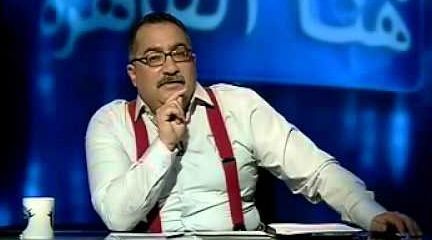
Prominent journalist Ibrahim Eissa terminates TV show after threats, legal complaints
Prominent journalist Ibrahim Eissa announced the termination of his TV show “Ma’ Ibrahim Eissa” (With Ibrahim Eissa) on Sunday, which was previously…
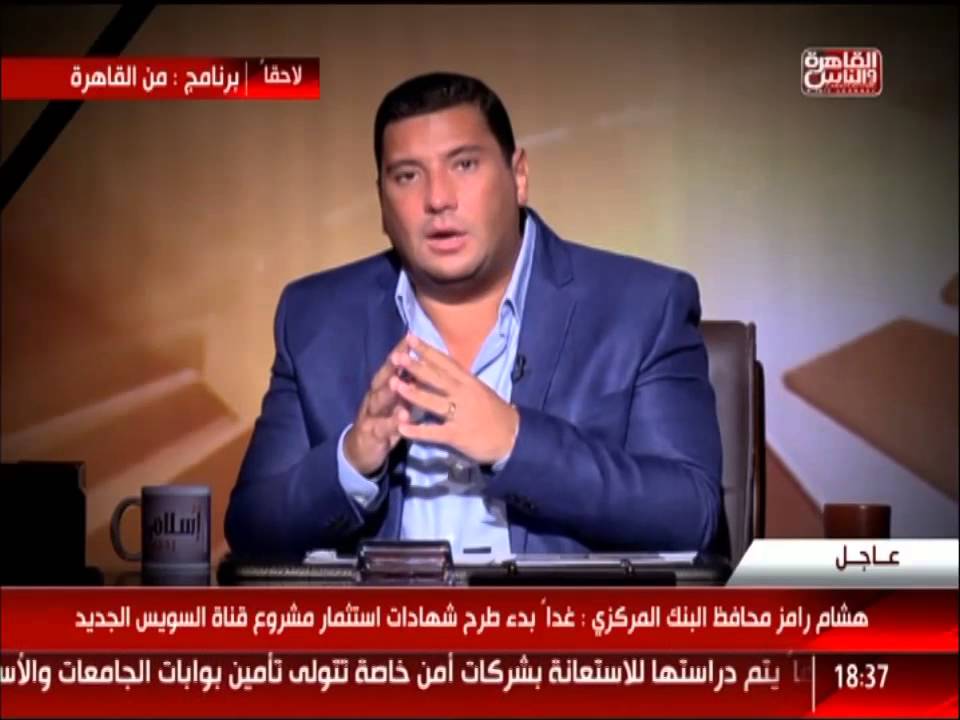
Preacher Islam Beheiry’s 1-year sentence upheld for insulting Islam
Cairo misdemeanor court upheld a one-year sentence handed to preacher and researcher Islam al-Beheiry for insulting Islam, the state-owned Al-Ahram newspaper reported…

Talk show host Entisar acquitted of immorality charges
Actress Entisar was acquitted of immorality charges by the Nasr City Criminal Court on Sunday. The same court also dismissed charges against…
Preacher Islam al-Beheiry sentenced to one year for insulting Islam
A misdemeanor court reduced the five-year jail sentence of preacher and researcher Islam al-Beheiry on Monday, giving him just one year instead…
Your support is the only way to ensure independent, progressive journalism survives.
You have a right to access accurate information, be stimulated by innovative and nuanced reporting, and be moved by compelling storytelling. Subscribe now to become part of the growing community of members who help us maintain our editorial independence.
Join us