
Trade balance deficit down by 7.6%

Egypt’s Central Bank of Egypt has released provisional data on the 2012/13 balance of payments.
The balance of payments retraces all the transactions occurring between a given country and the rest of the world. Any deficit or surplus of that balance is compensated by an equivalent change in the Central Bank’s reserves.
The balance has gone from an US$11.3 billion deficit in 2011/12 to a $237 million surplus in 2012/13.
If most of this $11.5 billion differential can be explained by the massive aid from the Gulf countries received over the period, these figures show significant improvement in many strategic accounts.
The trade balance deficit has been reduced by $2.6 billion or 7.6 percent. It nevertheless remains at a whopping $31.5 billion. This deficit amounts to approximately two thirds of the total revenue of the Egyptian state or more than 10 percent of the GDP of the country.
Imports have gone down by 2.9 percent while exports have increased by 3.6 percent, mainly because of a hike of petroleum exports. A drop in balance of trade is a normal consequence in times of economic crisis and, according to economic theory, is one of the “automatic stabilizers” that helps a country to overcome crisis.
Suez Canal revenues decreased by 3.4 percent, while tourism revenues and private transfers increased by 3.5 and 3.7 percent respectively. Private transfers therefore reached a historical high of $18.4 billion and account for almost 60 percent of the trade deficit.
On the financial and capital side, Foreign Direct Investment has dropped by 24.6 percent over the year, going from $4 to $3 billion.
However, portfolio investment in Egypt and other investment largely compensate for that loss by increasing by $6.5 and $2.9 billion respectively. Most of those increases are explained by the massive investment and aid received from the Gulf during this period.
Egypt has received massive foreign financial aid over the past two years. While Qatar was the main funder of the country during Mohamed Morsi’s tenure as president, UAE and Saudi Arabia have taken the lead since the ouster of the Brotherhood president. However, the 2012/13 figures should not take into account the massive aid received since Morsi’s removal in July.
Despite the importance of foreign aid, the stabilization of the balance of payments remains a very good sign to investors.
On Tuesday, September 25, the Egyptian Stock Exchange reached a record high since February.

أخبار ذات صلة
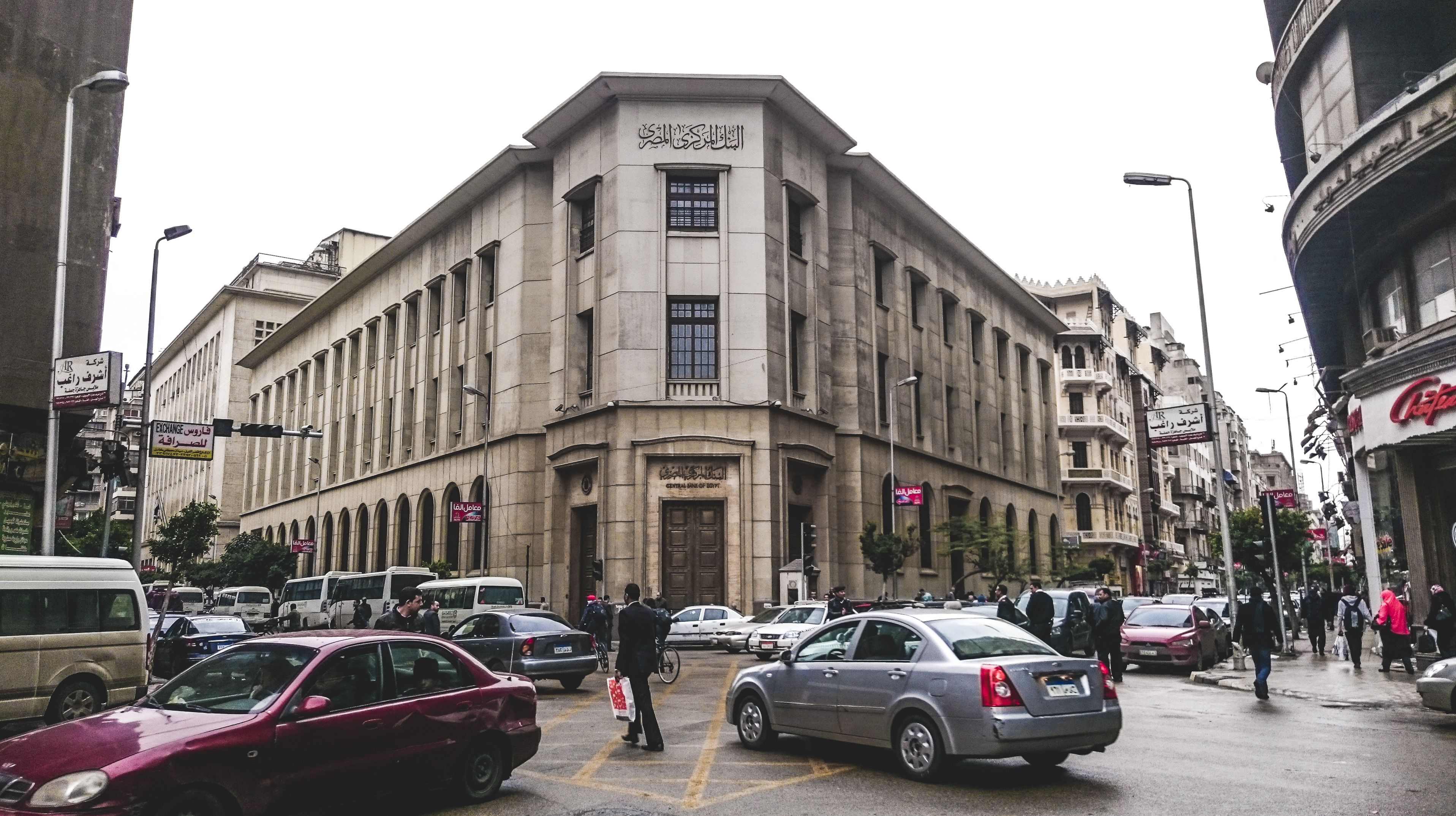
Balance of payments deficit rises to $3.6 bn in first 3 quarters of 2015/16
Egypt’s balance of payments deficit widened to US$3.6 billion during the first three quarters of the 2015/16 fiscal year.
Balance of payments deficit widens to $3.4 billion in first half of 2015/16 financial year
Egypt’s balance of payments deficit rose to US$3.4 billion in the first half of the 2015/16 financial year, up from US$1 billion…
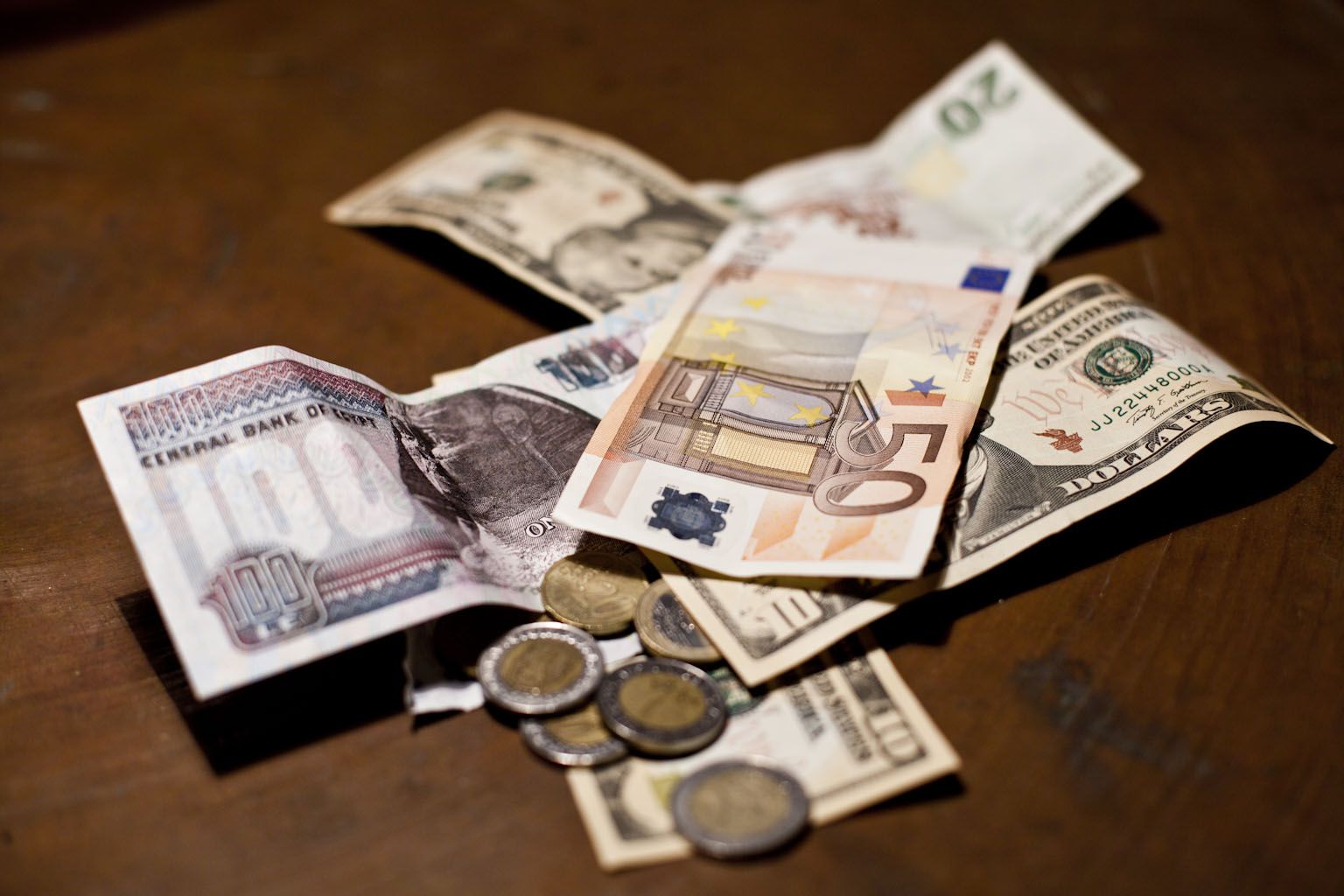
Balance of payments deficit hits $3.7 billion in Q1 of 2015/16
Egypt’s transactions with the outside world from July 2015-September 2015 resulted in an overall balance of payments deficit of US$3.7 billion, compared…
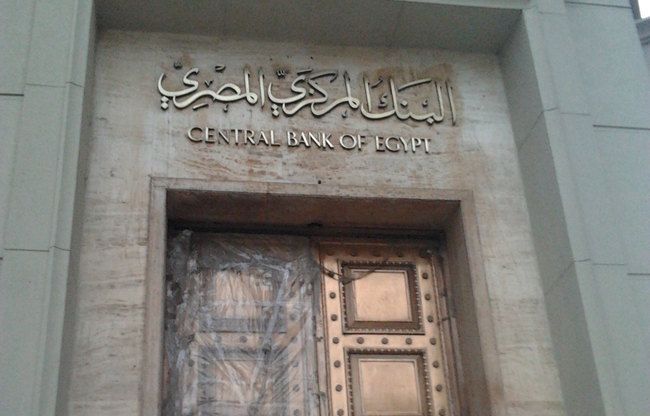
Balance of payments surplus, current account deficit both grow in 2014/15
Egypt’s financial transactions with the rest of the world during the 2014/15 fiscal year resulted in an overall balance of payments surplus up…
Your support is the only way to ensure independent, progressive journalism survives.
You have a right to access accurate information, be stimulated by innovative and nuanced reporting, and be moved by compelling storytelling. Subscribe now to become part of the growing community of members who help us maintain our editorial independence.
Join us