
Tourist industry faces declining visitors, new visa policy remains unclear

Tourist arrivals continued to decline in January, dropping to 667,500 from 781,602 in December, according to state statistics agency CAPMAS.
Meanwhile, confusion still surrounds new regulations that will require independent travelers to obtain visas before arriving in Egypt.

January figures did show a 5.5 percent increase on the same month in 2014, when around 642,200 foreign visitors arrived. However, even with the small increase in numbers, overall nights spent by tourists declined to 6.8 million in January 2015, compared to 8.9 million in January 2014, meaning that visitors are spending less time — and money — in Egypt.
Tourist numbers declined sharply after July 2013, when former President Mohamed Morsi was overthrown, and remained depressed during the months of violence and political instability that followed.
The industry began to make a modest recovery in early 2014, but dropped off in the Autumn months as the Egyptian pound — pegged tightly to the US dollar — soared against the euro and the Russian ruble, driving up prices for Egypt’s most important markets.
The industry took another blow in March when the government announced Egypt’s visa on arrival program would be scrapped in May 2015, ending a system that allowed Russians, North Americans, Australians, New Zealanders, Koreans, Japanese and most Europeans to acquire visas at their port of entry in Egypt.
Egypt’s Tourism Federation was not consulted before changes to the visa law were issued, and the specifics of the legislation are still unclear.
Statements from the Tourism Authority say that tour groups will still be issued visas on arrival, but does not clarify how it defines a tour group.
“Maybe a group is 15, or 50, or more. We don’t know,” Mostafa Khalil, the chairman and managing director of Royal Manta Travel told Mada Masr on Wednesday.
“The decision may be right, but it needs some kind of modification,” he added. Mass market sun and sea tourism will likely be unaffected, since such trips are almost entirely booked in large groups by charter companies.
Even family groups and solo travelers embarking on cultural tours or business trips to places like Luxor, Aswan or Cairo overwhelmingly book their trips via travel agencies. Most travelers find it daunting to arrange their own transfers, transportation and accommodation while in Egypt, which leads 90-95 percent of them to rely on local agents to make arrangements, Khalil said.
If the government stops distinguishing between groups and individuals and allows agencies to arrange visas for all of their customers, the impact on the tourism industry would be minimized.
However, doing so would still leave the larger problems unaddressed, Khalil explained, saying, “What’s stalling tourism is bad service, no plans and no vision.” Compared to this, he said, visa regulations are a minor inconvenience.

أخبار ذات صلة
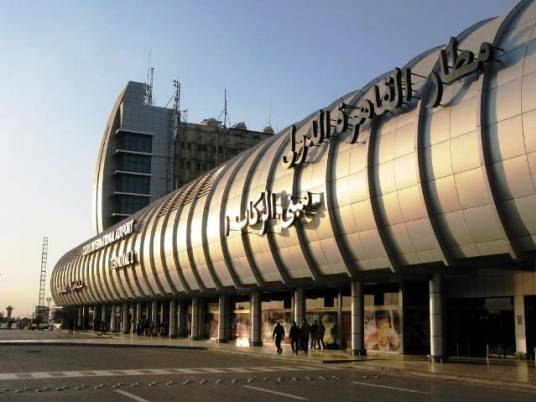
Tourist arrivals to Egypt fall 5% below govt projections, analysts point to Israeli aggression on Gaza as factor
Experts believe dip in tourism influx to Egypt may be due to Israeli aggression on Gaza.

Welcome to Sharm el-Sheikh: President’s City, City of Peace, City of COP27
Beneath the mask the city’s donned for COP27 are the marks of years of uncalculated redevelopment
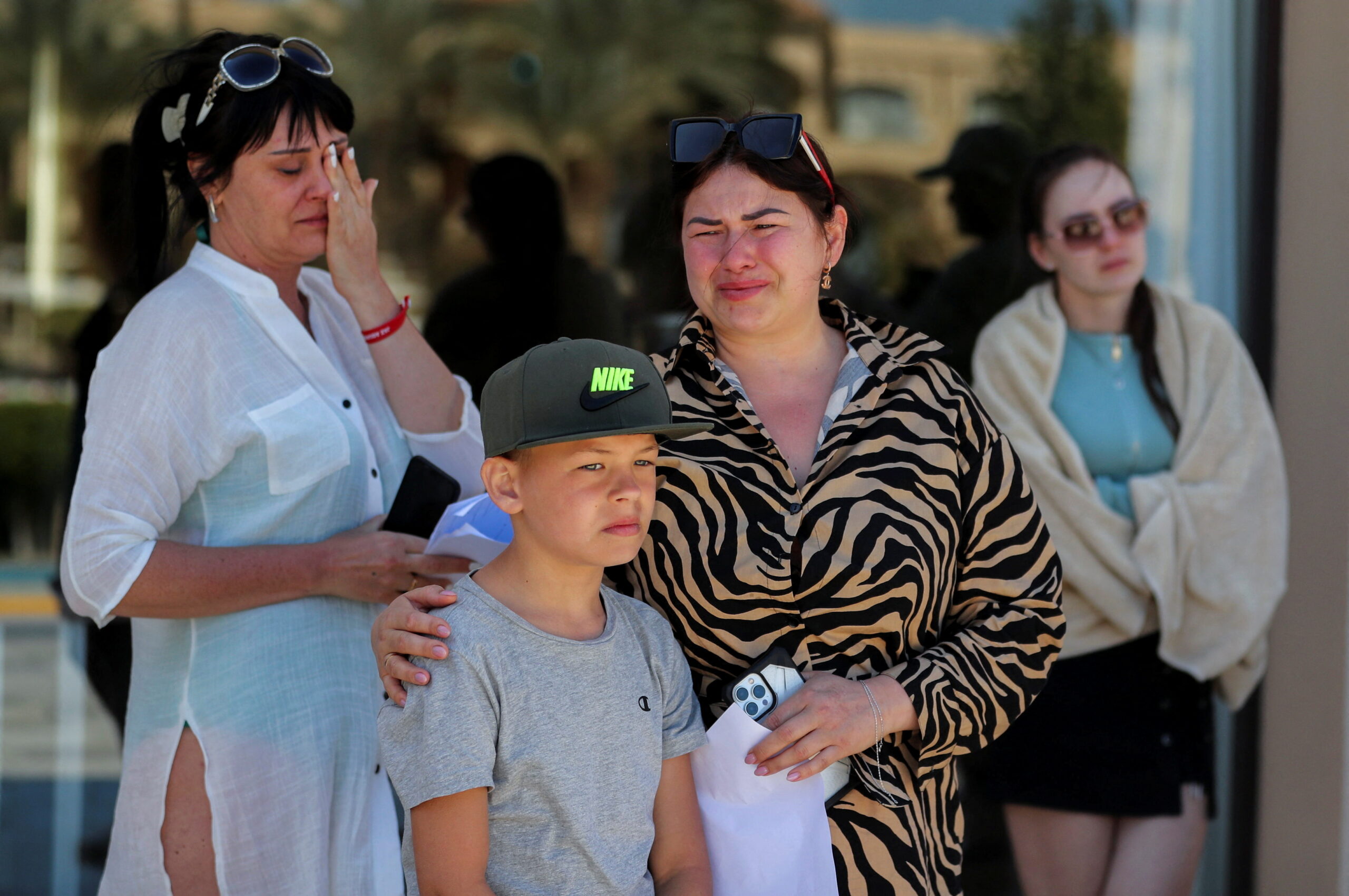
With 16,000 Ukrainian tourists stranded in Egyptian hotels, industry figures fear indirect costs of conflict
Flights carrying Russian tourists back to their country are continuing as usual

Daily COVID-19 roundup: July 19
Though tourists have been arriving since July 1, the Chamber of Tourism has said it's not enough.
Your support is the only way to ensure independent, progressive journalism survives.
You have a right to access accurate information, be stimulated by innovative and nuanced reporting, and be moved by compelling storytelling. Subscribe now to become part of the growing community of members who help us maintain our editorial independence.
Join us