
Surprise balance of payment deficit reduction in first months of 2013
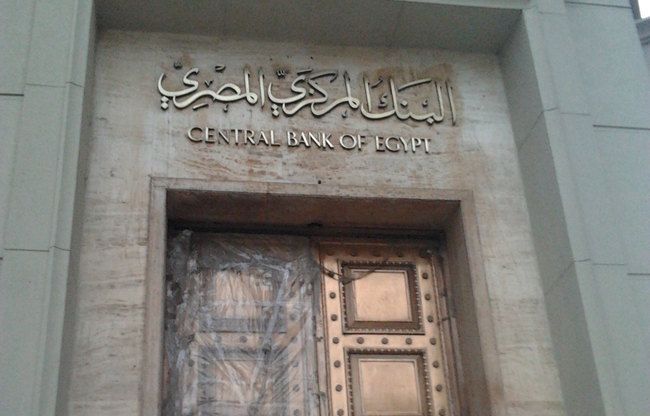
Recently published data shows the drop of the Egyptian pound over the past seven months has had a rather positive impact on the public finances.
The austerity policies consisting in restricting imports and redirecting energy exports toward the domestic market explain these surprising figures. The high social cost appears as the dramatic downside of such political choices. Policies aiming at reducing the deficits were a condition posed by the IMF for the delivery of its loan.
The new finance minister, Ahmed Galal, recently stated he would favor a policy aiming at recovering public accounts through boosting the economy rather than through austerity measures.
The trade deficit dropped by 11 percent between the first quarter of 2013 and the first quarter of 2012.
In the meantime, tourism revenues increased by 23 percent, and net FDIs by 68 percent.
The overall balance of payments deficit decreased by 51 percent compared to the first quarter of 2012, going from US$3.16 billion to US$1.53 billion.
The Central Bank has released the main balance of payments indicators for the third quarter of the fiscal year 2012/2013.
Minister of Trade and Industry Mounir Abdel Nour released the trade balance figures in a recent interview to Reuters.
These figures are particularly interesting because they reflect the consequences of the major drop of the Egyptian pound that began at the end of December last year. Over the period from December 27 2012 until the present, it has lost almost 14 percent of its value.
Egypt heavily relies on imports of necessity products such as food (wheat, sugar, maize) and oil. The drop of the Egyptian pound has consequently increased the price of imported products by a similar margin. If the trade volume remains the same, the value of Egyptian imports should theoretically have risen by 14 percent.
Figures released by the Trade Minister Abdel Nour reveal the value of the imports decreased during the first five months of 2013. Important cuts in oil and wheat imports and redirection of gas exports towards the local market explain these surprising figures.
However, consumers and industries have born the weight of austerity policies as electricity cuts and energy shortages have multiplied in the last months.
The positive side of devaluation is to give a boost to exports by making their price more competitive on the international market. Abdel Nour indeed revealed non-oil exports had risen by 15 percent in the first five months of 2013 and by 21 percent in June.
The stagnation of the domestic market has forced local industries to turn to foreign markets to expand.
Price-competitive sectors such as food and textiles have seen the biggest increases.

أخبار ذات صلة
Balance of payments deficit rises to $3.6 bn in first 3 quarters of 2015/16
Egypt’s balance of payments deficit widened to US$3.6 billion during the first three quarters of the 2015/16 fiscal year.
Balance of payments deficit widens to $3.4 billion in first half of 2015/16 financial year
Egypt’s balance of payments deficit rose to US$3.4 billion in the first half of the 2015/16 financial year, up from US$1 billion…
Balance of payments deficit hits $3.7 billion in Q1 of 2015/16
Egypt’s transactions with the outside world from July 2015-September 2015 resulted in an overall balance of payments deficit of US$3.7 billion, compared…
Balance of payments surplus, current account deficit both grow in 2014/15
Egypt’s financial transactions with the rest of the world during the 2014/15 fiscal year resulted in an overall balance of payments surplus up…
Your support is the only way to ensure independent, progressive journalism survives.
You have a right to access accurate information, be stimulated by innovative and nuanced reporting, and be moved by compelling storytelling. Subscribe now to become part of the growing community of members who help us maintain our editorial independence.
Join us