
Storytelling fest cancelled by Qena governor, artists left wondering why
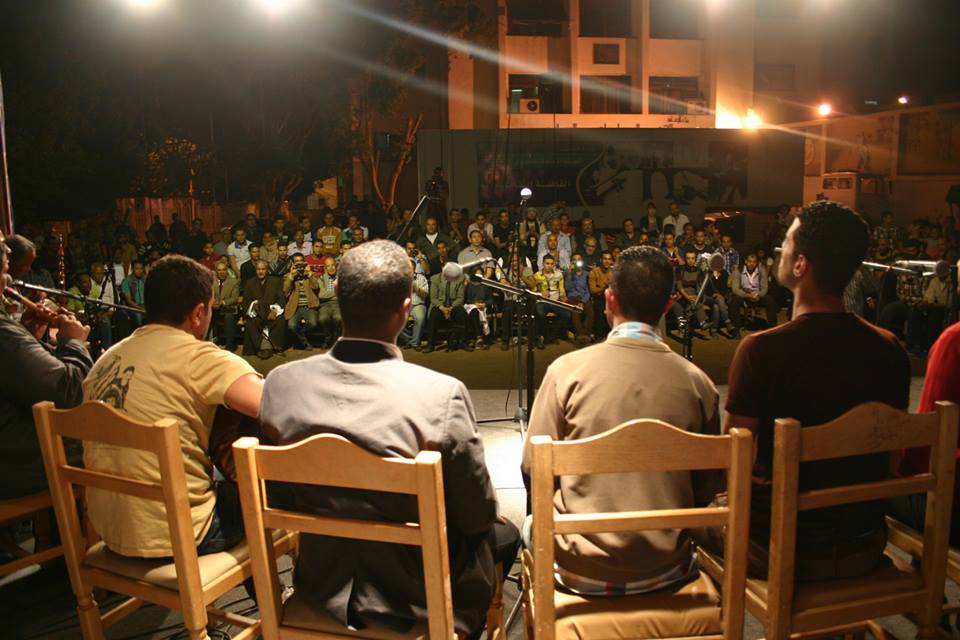
Doum Cultural Foundation's third annual storytelling festival was abruptly cancelled on March 27 by the governor of Upper Egyptian governerate Qena, Lieutenant Abdel Hamid al-Haggan.
No reason was given for why the festival, which was supposed to take place between April 8 and 11 and had previously been supported by the government, was cancelled 10 days before it was set to begin.
Doum’s founder and director, novelist Khaled Al-Khamissi (Taxi, Noah's Arc), was informed by Culture Minister Helmy El-Namnam that the governor had cancelled the event, according to a statement Doum issued on Facebook on March 28.
Although the festival was to take place in 10 villages and towns outside the governerate's capital city Qena, the website of state-owned Al-Ahram newspaper reported that the decision was due to restorations being carried out in the city, adding that officials were busy with other projects.
Mada Masr reached out to Qena's governor several times, but received no response.
“This is the first and only festival dedicated to storytelling in the country and it is supported by the government, so we don't understand why they are cancelling it,” Khamissi told Mada Masr.
The governerate of Qena, under Haggan's leadership, hosted the last two editions of the Doum Festival, with the governerate, the Culture Ministry, the Youth and Sports Ministry and bread producer Rich Bake as event sponsors.
Doum Foundation had been working to get the ministries of culture and youth and sport on board, and on many other administrative tasks, since last year's edition ended a year ago, and its collaborators had started work on the ground in January.
The Doum Foundation apologized to the 20 troupes and 111 artists from all over the country who were set to participate.
“We, as Doum, and our collaborators were the ones who coordinated with these artists,” Khamissi told Mada. “They have been working hard for the last three months to present their work.”
In a statement authored by Khamissi, also published on Doum's Facebook page, he wrote that he was sure there must be a good reason, as the governor had been a wonderful host for the festival in previous years.
Besides Doum, several institutions from Cairo and Upper Egypt were collaborating on the organizational side of the festival, including the Ana El-Masry association, cultural centers Dawar al-Fenoun and Jesuites Cairo, Tanweera association and Dandara Cultural association.
Many of the villages and towns they were planning to perform in don't have the necessary equipment, stages or infrastructure, explained Beshoy Adel from Minya, who was helping organize the festival through Dawar El-Fenoun association and participating as part of the Joker troupe, so they have to organize for it, sometimes building from scratch.
Ahmed Tolba of Minya-based independent theater troupe El-Haya, which was meant to be participating for the festival for a third time with a piece about women in Upper Egypt, told Mada they were shocked to hear of the festival's cancellation and suggested it was due to either security reasons or financial constraints.
“The governor opened the last two festival editions personally, so there must be a big reason for cancelling,” said Ahmed Fath of Dandara Culture, which has operated in 60 cities and towns around Upper Egypt since 1997.
“The government says it wants to promote tourism and bring security, but what achieves that more than a cultural festival?” Adel said. “Not to mention the employment opportunities for artists and workers it creates, so there is an economic impact as well. Festivals like this empower and drive the independent troupes in the region and motivate them to create new works. It also creates opportunities for the artists to engage critically in each other's work and learn from each other.”
Doum Festival has quickly become an important annual cultural happening in Upper Egypt, added Adel. “It serves as a decentralization of culture,” he said. “The significance of having a large event like this in Qena, in several villages, is big.”
Storytelling is an accessible art form most people can relate to and it is entrenched in Egyptian culture, he said, adding, “It connects all kinds of people so we see big audiences at the performances of the festival.”
“This festival moves the culture scene in Upper Egypt,” Tolba said. “Many troupes were formed because of it. We hope it only gets postponed, not cancelled completely.”

أخبار ذات صلة
13 new faces join Madbuly Cabinet, media prohibits ‘negative’ coverage of certain outgoing ministers
The move over a year of rumors anticipating a Cabinet reshuffle

More hurdles to clear: What a new committee organizing festivals means for the future of artistic events in Egypt
A decree issued last week imposes severe restrictions on the organization of art events in Egypt
Whose surrealism? On When Art Becomes Liberty
There is no liberty in revolutionary art existing according to the whims of the art market and a security state.
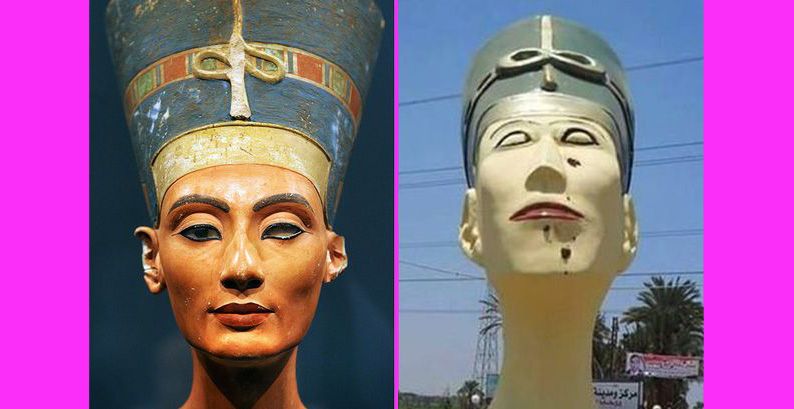
The art disasters that led to a ban on unauthorized work on public statues
Jano Charbel looks back at a few of the kitsch, offensive and bizarre public statues that have graced Egypt's governorates of late.
Your support is the only way to ensure independent, progressive journalism survives.
You have a right to access accurate information, be stimulated by innovative and nuanced reporting, and be moved by compelling storytelling. Subscribe now to become part of the growing community of members who help us maintain our editorial independence.
Join us