
State fails to prevent rising death toll of detainees: HRW

Human Rights Watch (HRW) issued a statement on Wednesday condemning the Egyptian government for failing to protect the lives of detainees, announcing that scores of Egyptians died in state custody in 2014, either after abuse or due to inhumane detention conditions and lack of health care.
“Egypt’s prisons and police stations are bursting at the seams with opposition supporters rounded up by the authorities. People are being held in grossly overcrowded and inhumane conditions, and the mounting death toll is the wholly predictable consequence,” Sarah Leah Whitson, HRW Middle East and North Africa director is quoted as saying in the report.
While unable to determine the exact number of deaths in custody over the past year, HRW said they had independently verified nine deaths in custody since mid-2013. In one case, the body of the deceased had signs of beating, and in others, detainees with severe illnesses, including heart disease and cancer, were held in conditions that exacerbated their conditions.
According to the Egyptian Center for Economic and Social Rights, cited in HRW’s report, at least 41,000 people have been detained since the start of a crackdown in July 2013, which began with the state targeting of the Muslim Brotherhood and expanded to include other oppositional groups and individuals.
In a report issued earlier this month, the Nadeem Center for the Rehabilitation of Victims of Violence and Torture documented 100 deaths in Egyptian Prisons during 2014.
HRW talked to the families of several detainees who died in prison due to negligence or abuse.
Tarek Mahmoud al-Ghandour, a dermatology professor at Ain Shams University and a local leader of the Muslim Brotherhood, died in November in intensive care, after nearly a year in detention, where he was denied health care for a chronic liver condition. Ghandour was referred to the hospital only hours before his death, despite continuous requests from his family for his release to undergo a liver transplant.
Another prisoner, 51-year-old government employee, Mahmoud Abdel Rahman died at Suez General Hospital in November after suffering several heart attacks over months of detention in overcrowded cells. His family told HRW that the prison authorities transferred him to the hospital ten hours after he started experiencing severe chest pain and kept him in a facility that lacked basic equipment, including an oxygen mask.
According to HRW, only one case against the police in connection to the deaths of detainees was investigated by the prosecution after 37 detainees died in an over-crowded prison van in August 2013. Four officers were initially convicted in the case, but an appeals court ordered their retrial.
“The Egyptian authorities have appeared shockingly complacent in the face of so many detainee deaths,” Whitson said. “They need to ensure that all such deaths, as well as abuse allegations, are independently investigated, and rapidly put in place and enforce effective safeguards to protect everyone in state custody.”
The report also requested that the state ensure the release of those who need medical care that’s not available in detention.

أخبار ذات صلة
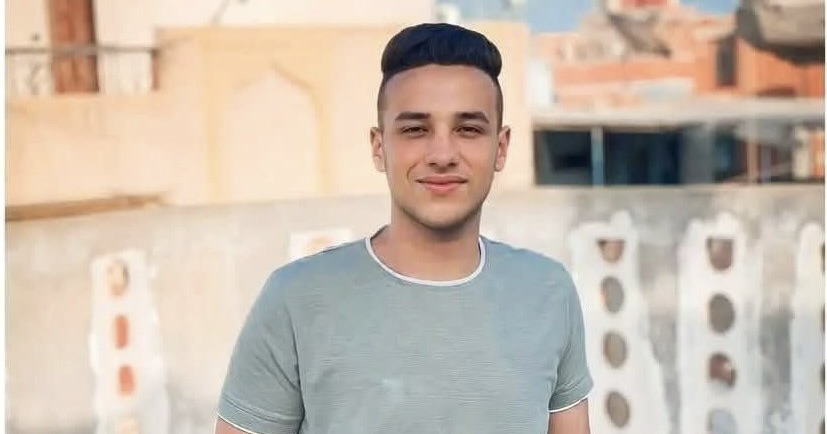
Belqas protestors clash with police after torture kills detainee, lawyer says
Following 21-year-old Ayman Sabry’s death in police custody, footage published on social media showed clashes taking place on Sunday night between residents…
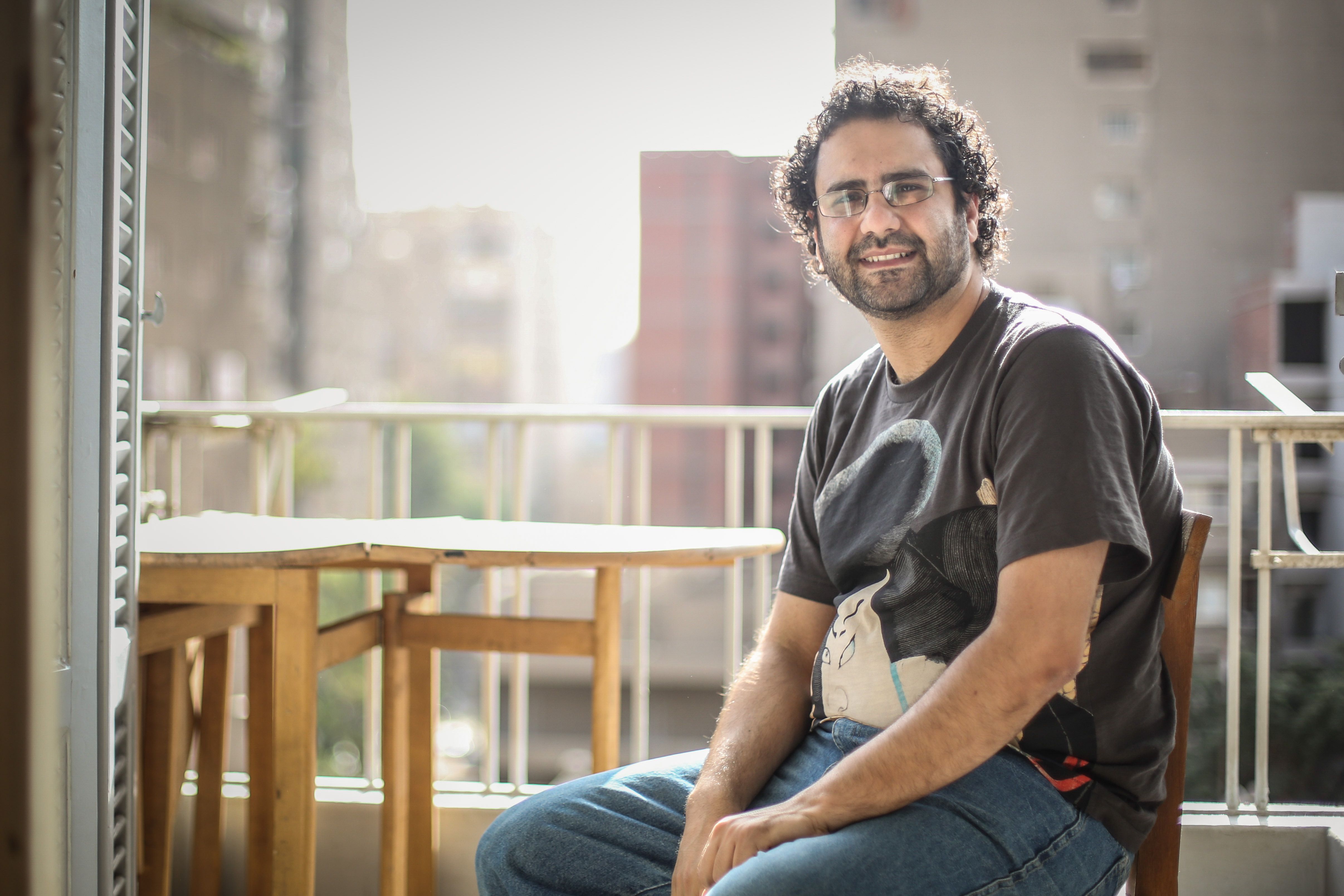
British PM affirms commitment to Abd El Fattah’s release as activist begins water strike
The activist and writer has been in prison for the majority of the past nine years
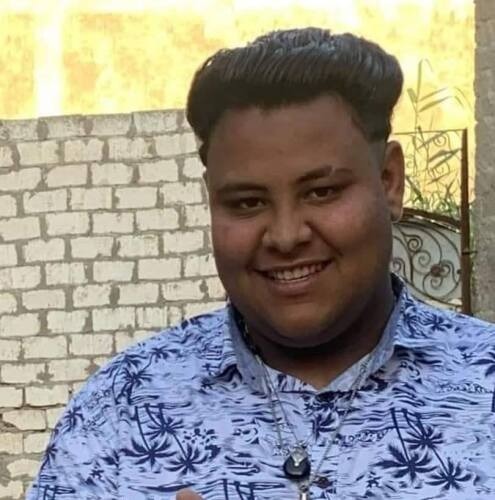
Rights group says highschooler Mostafa Montaser died in police custody due to torture, authorities deny
The prosecution's investigations attributed his death to natural causes.
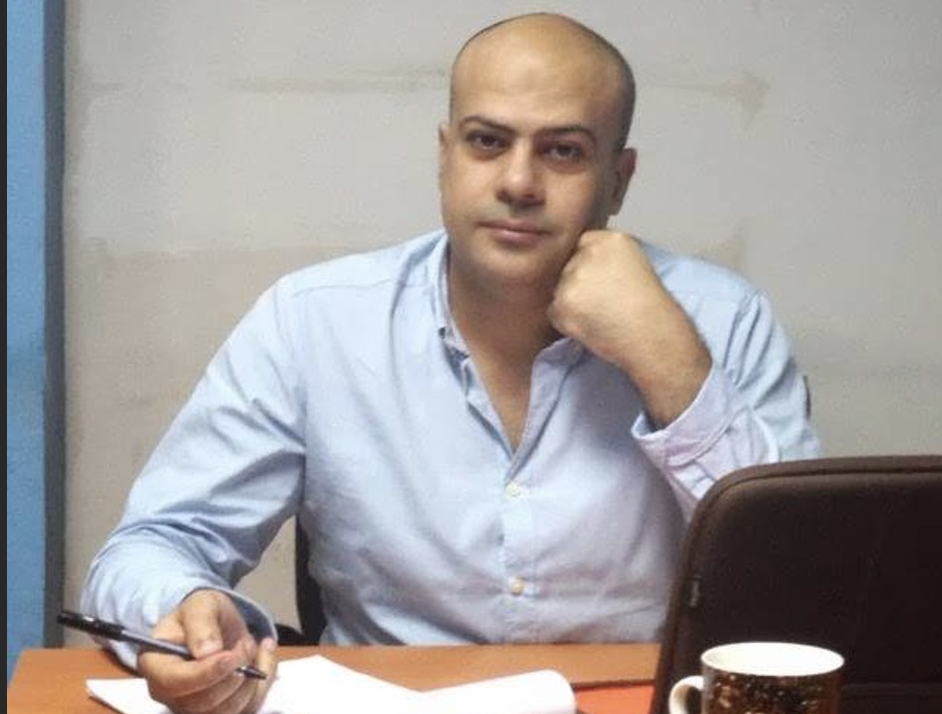
Court to rule on appeal against closure of Hadhoud case on June 23, allows family lawyers access to case files for 1st time
The lawyers have repeatedly complained about the prosecution's refusal to keep them informed
Your support is the only way to ensure independent, progressive journalism survives.
You have a right to access accurate information, be stimulated by innovative and nuanced reporting, and be moved by compelling storytelling. Subscribe now to become part of the growing community of members who help us maintain our editorial independence.
Join us