
Residents of coastal Arish neighborhood call on Sisi to halt expropriation for port development project
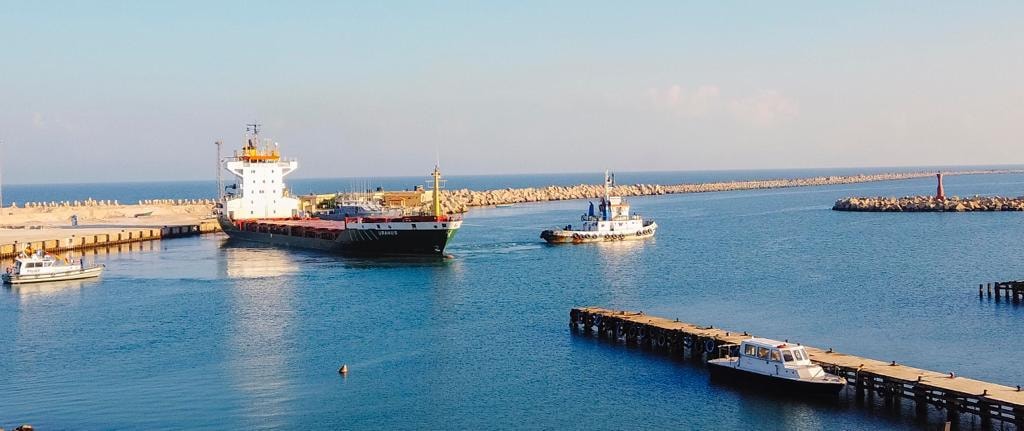
Residents of the Arish neighborhood of Risa have taken to social media to call on President Abdel Fattah al-Sisi to reverse a presidential decree issued in late October to expand the area of land in their coastal neighborhood allocated for an Armed Forces-led redevelopment of the city’s port.
“We won’t leave our homes, mr. president,” Risa residents said in a video published on social media, describing the decision to forcibly relocate them as “unfair.”
The state announced the expansion project of the Arish Port at the end of 2018, with the Official Gazette publishing the president’s decision in mid-2019. Under the terms of the project, an area of 372 feddans surrounding the port will be allocated to the Armed Forces, provided that the General Authority for Suez Canal Economic Zone will finance and implement the development and management of port operations. The project has since expanded into other areas, threatening residential areas surrounding the port.
In October’s decree, Sisi added 170 feddans to the lands identified in the 2019 decision issued on developing the port, bringing the total area for the port project to 542 feddans.
With the new amendment, the port development project will encroach on Arish’s eastern coast — from the old port all the way to Sakaska, Arish’s farthest village to the east.
Risa is considered the city’s most notable and profitable tourist area, with an abundance of locally owned villas and luxury residential buildings overlooking the beach.
While there is no official count of how many households will be affected by the decision, Arish MP Rahmy Bakeer published a copy of a briefing request he submitted to the House in January, in which he said that some 4,000 families will face eviction.
Several appraisal committees have been sent to the area since mid-2019 to tally, measure and inspect the houses, but talk of compensation has been limited to comments in the media by officials, and residents have yet to receive details of how exactly they will be compensated.
On November 18, North Sinai Governor Major General Mohamed Abdel Fadil Shousha said in a radio interview that an appraisal committee had determined the compensation value for lands upon which residential buildings are built based on several factors, but he did not mention a specific amount per square meter. Shousha did note, however, that residents who are forced to relocate will be given a choice: monetary compensation or a residential apartment at buildings the governorate is set to build to the southeast of the city.
Residents could also choose between monetary compensation or a 120–130 square meter plot of land in subdivisions determined by the governorate in the southeast of Arish, which include 200 plots. Owners of larger plots would be compensated with two plots proportionate to the area of their expropriated properties.
Regarding the value of undeveloped lands, Shousha said it would be determined according to four different categories: registered lands, other lands within the governorate’s subdivisions, customary lands and lands over 400 square meters.
While residents mobilize to stop the decision from being implemented, development and construction work has continued at a rapid pace since the start of November, casting doubt on whether officials will heed residents' calls.
One clear mark of this rising pace is the massive wall being built to seal off the airport area south of Arish, the construction of which began following a missile attack that targeted key security figures on the airport tarmac in 2018. Though construction began in July 2020, a large portion of the wall has already been completed, according to a source with a company that has been subcontracted to work on the Armed Forces-led project.
Furthermore, a source at the North Sinai agriculture directorate told Mada Masr that an agricultural unit and its affiliated center in the Sakaska area have been evacuated in recent days. Employees have been transferred to directorate-affiliated agencies in the city.
As for the locally owned residential buildings and villas, the source working on the wall also told Mada Masr that all buildings that are going to be evacuated will be inspected, with the aim of identifying homes and chalets to be used as dormitories for engineering and worker crews, while the remaining properties will be demolished. Several residents of the area confirmed this apparent intent to Mada Masr, adding that inspection committees warned them that, with the exception of their furniture, they are not to alter or remove any contents from their homes when they leave.
أخبار ذات صلة

Police evict residents as demolitions resume in Arish despite unfulfilled govt promise of alternative housing
Police units ordered residents to evacuate as the North Sinai Governorate began to demolish homes on
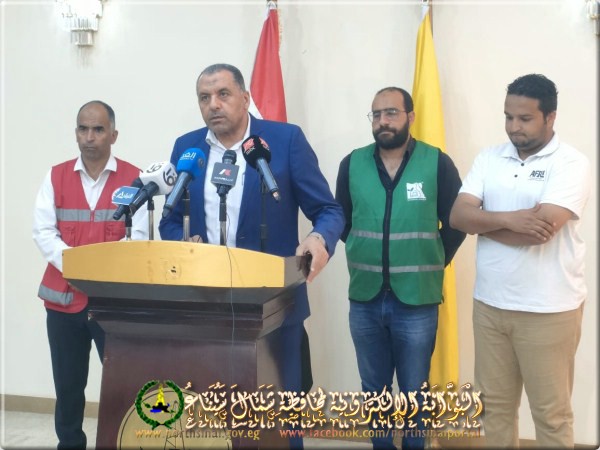
Egypt prepares to receive injured Palestinians and their families, if they are allowed out of Gaza
So far, the Rafah border crossing remains closed.
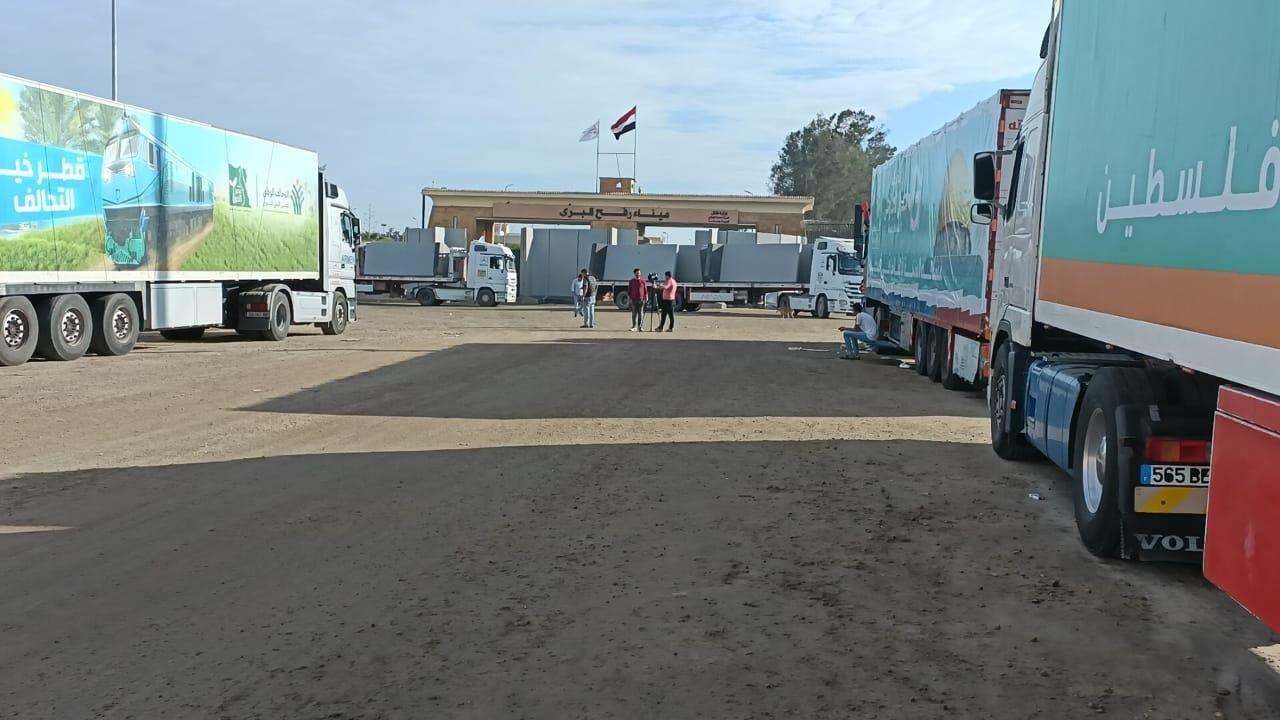
Source: No aid to enter Gaza today
Israeli demands and restrictions may be delaying live-saving aid to Gaza.

‘We want to die as martyrs with our children’: Stories of Palestinians from Gaza stuck in North Sinai
“Some of us have lost contact with our families and are no longer receiving updates”
Your support is the only way to ensure independent, progressive journalism survives.
You have a right to access accurate information, be stimulated by innovative and nuanced reporting, and be moved by compelling storytelling. Subscribe now to become part of the growing community of members who help us maintain our editorial independence.
Join us