
Reshuffle brings old faces to culture and antiquities ministries

Gaber Asfour and Mamdouh al-Damaty were sworn in as culture and antiquities ministers in President Abdel Fattah al-Sisi’s newly appointed cabinet Tuesday morning.
This decision ended the service of Saber Arab and Mohamed Ibrahim, who have held the respective positions throughout most of the past three years. Asfour and Damaty are, however, no novices to the state’s culture bureaucracy.
Seventy-year-old Asfour, an acclaimed literary critic and author, was in fact the last culture minister under former President Hosni Mubarak. Hoping to appease protesters on January 31, 2011, Mubarak appointed a new cabinet under the leadership of Ahmed Shafik. Asfour came to office for a mere nine days before resigning on February 8, citing health problems. It is widely believed, however, that his resignation was a response to the wave of criticism he faced by writers and artists across the region for accepting the position despite the mass street protests.
Asfour first joined the Culture Ministry in the early 1990s as the general secretary of the Supreme Council for Culture. In keeping with his background, he developed the council’s work in supporting literary production, issuing new publication series and organizing conferences and symposia, as well as literary and translation prizes.
Asfour was, nevertheless, repeatedly criticized for turning a blind eye to the state’s restrictions on freedom of expression and its human rights violations in the council’s programing, focusing instead on spreading the message that “secular enlightenment must prevail in the struggle against popular ignorance and religious extremism,” as Elliott Colla, literary translator and chair of the Department of Arabic and Islamic Studies at Georgetown University, wrote in his 2011 article “State Culture, State Anarchy.”
After resigning in February 2011, Asfour stayed out of the spotlight until this new appointment. He explained his motives for accepting a role in Prime Minister Ibrahim Mehleb’s cabinet yesterday in a phone interview with the privately owned Al-Tahrir Channel. Asfour said that this time the state will prioritize cultural policy and that he will seek the cooperation of other ministries concerned with culture, such as the Ministry of Religious Endowments and the Ministry of Education, as well as media outlets.
Damaty, 52, has also held several positions in state-run cultural institutions over the years. He was most recently the cultural adviser to the Egyptian Embassy in Berlin, and worked with the Antiquities Ministry on negotiating the return of an artifact stolen from Luxor’s Sobekhotep tomb, and found in Germany. Damaty also worked with the Egyptian Museum in Cairo for years. He was deputy secretary of the museum from 1981 to 1987, and was its director from 2001 until 2006.
Another new minister whose work cultural practitioners are anticipating is Laila Iskandar. The former environment minister was assigned the newly formed Ministry of Urban Development. The exact vision of the new ministry is yet to be articulated, but it is believed it will focus on the development of the informal neighborhoods growing around Egypt’s urban centers. Many have high hopes from Iskandar, who holds a PhD in education from Columbia University, as she has worked over the span of two decades on various projects related to environmental sustainability.

أخبار ذات صلة
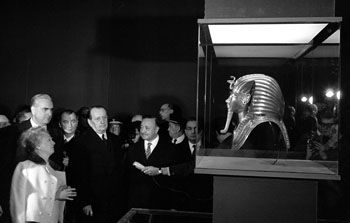
Looking back to see the present through the Grand Egyptian Museum
The coincidental nature behind the establishment of the Grand Egyptian Museum
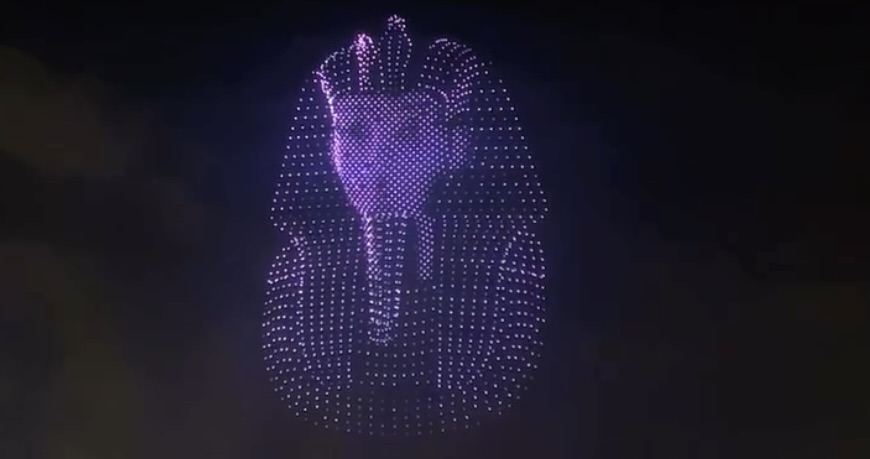
Staging a grand opening for the grand museum
In Cairo, sidewalks have been repainted, screens set-up and security measures tightened. People living nearby say fireworks have been test-run in Giza.…
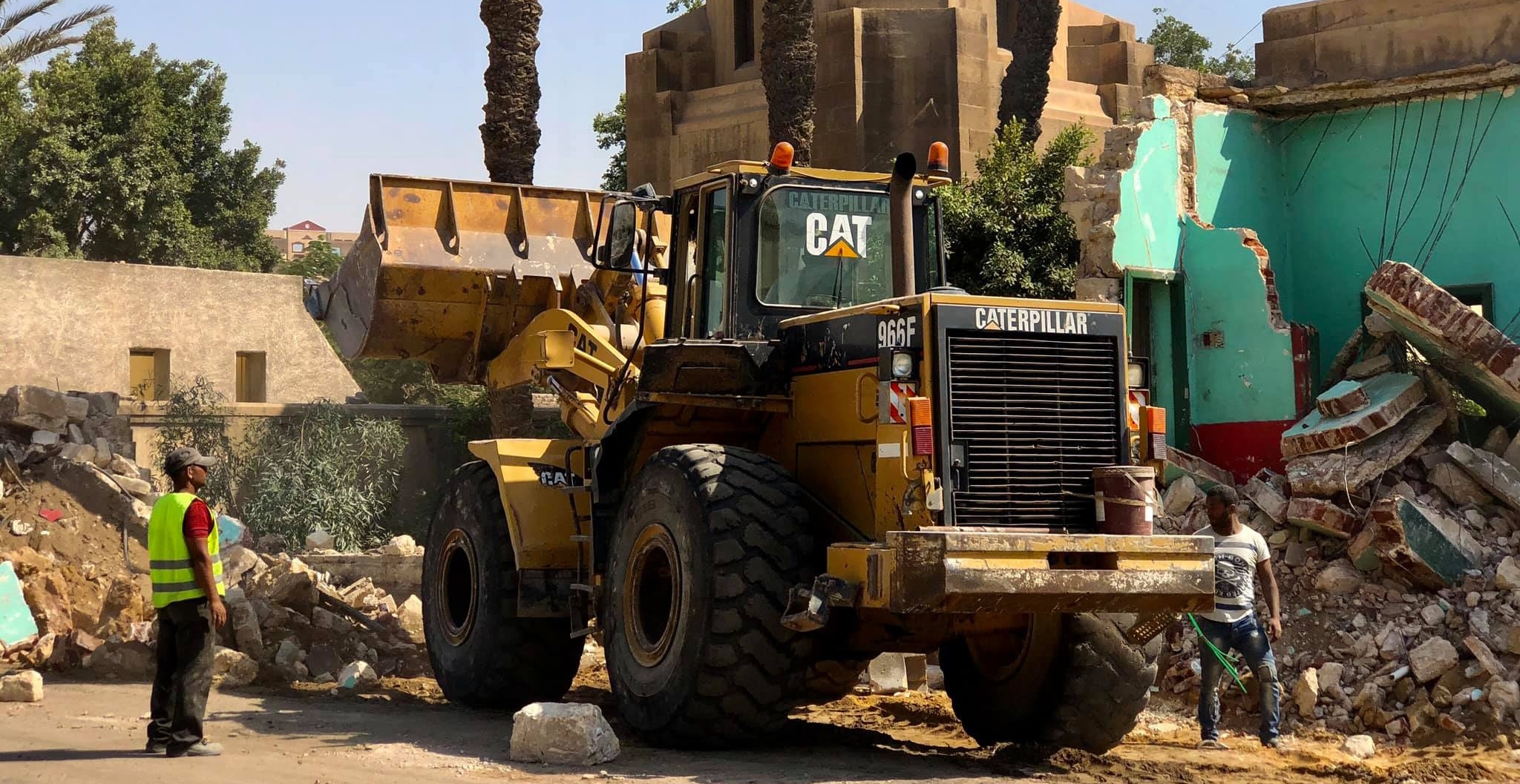
Where next for world heritage after Egypt finally wins top UNESCO position?
Conservationists express skepticism about Enany given the new UNESCO head's checkered past
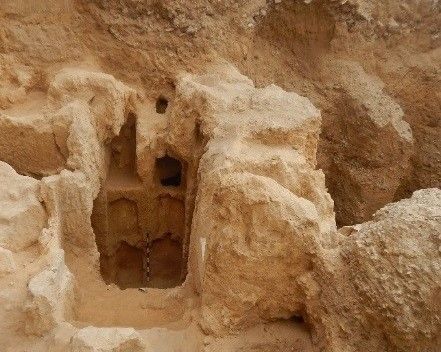
Archaeologists discover 2,000-year-old mausoleum in Alexandria
A 2,000-year-old mausoleum containing approximately 300 artifacts was unearthed by a team of Egyptian archaeologists in Alexandria
Your support is the only way to ensure independent, progressive journalism survives.
You have a right to access accurate information, be stimulated by innovative and nuanced reporting, and be moved by compelling storytelling. Subscribe now to become part of the growing community of members who help us maintain our editorial independence.
Join us