
Report indicates increased sexual harassment in third 100 days under Sisi
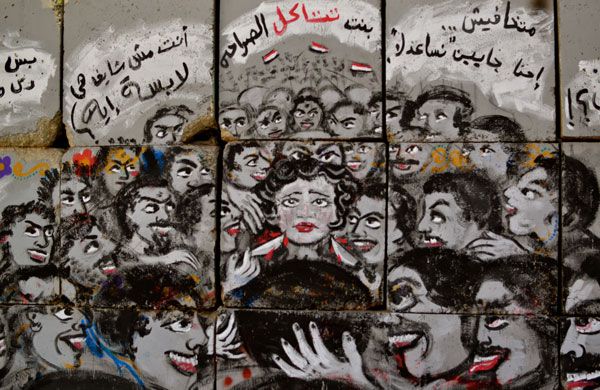
The “I Saw Harassment Initiative” released a report on Sunday indicating an increase in cases of harassment and sexual violence nationwide, in the third 100-day period of Abdel Fattah al-Sisi’s presidency.
The project tracks cases of harassment and sexual violence, along with a number of groups that have been established over the last few years to monitor the phenomenon and provide support to the survivors of such incidents.
The report is based on cases published in local newspapers during this period — from February 2015 — such as Al-Masry al-Youm, Al-Watan and Al-Ahram, as well as Veto Gate, Youm7 and Dot Masr news portals, as the group says the numbers of incidents reported to them are not reflective of what they see as an increasing problem.
Although it doesn't give specific figures, the initiative claims Beheira governorate had the highest number of incidents during this 100-day period, followed by Cairo, then Damietta, and finally Sharqiya and Alexandria. These assessments, the organization says, are based on the number of cases filed with the authorities and covered by the media in this time period.
Universities were listed by the initiative as being among the sites at which female students often experience harassment and incidents of sexual violence. President Gaber Nassar has received several complaints of staff harassing students during this time period, the report detailed, adding that Cairo University recently launched a complaint unit, headed by Nassar, to facilitate the reporting of harassment.
According to a study published last December by the anti-harassment initiative, “Harassmap,” 95.3 percent of Cairo women have been sexually harassed. A little more than 80 percent said that they were psychologically traumatized by this negative experience, yet refrain from reporting such incidents due to fear of social disgrace.
More than 250 mob sexual assaults were reported between February 2013 and January 2014, and more than 500 incidents since the uprising in 2011, according to figures released by a number of advocacy groups.
In June last year, Sisi made a hospital visit to the survivor of a mob sexual assault attack in downtown’s Tahrir Square. The visit drew widespread criticism from women’s rights activists as being a publicity stunt, amid a national campaign to combat sexual violence that didn’t seem to make much of an impact on the widespread practice.
Sisi also came under criticism in 2011 after a meeting with human rights group Amnesty International, in which he defended the military's use of virginity testing on female detainees, but also promised the military would no longer carry out the forced tests.
A law issued by former interim President Adly Mansour made changes to the penal code to define sexual harassment as a crime. Before this, Egypt did not have a law defining sexual harassment. However, rights groups have said this is not enough, if such a law is not widely enforced.

أخبار ذات صلة

Between 91 and 200 incidents of reported sexual harassment documented during Eid holiday
There were at least 91 reported incidents of sexual harassment during the Eid holiday.
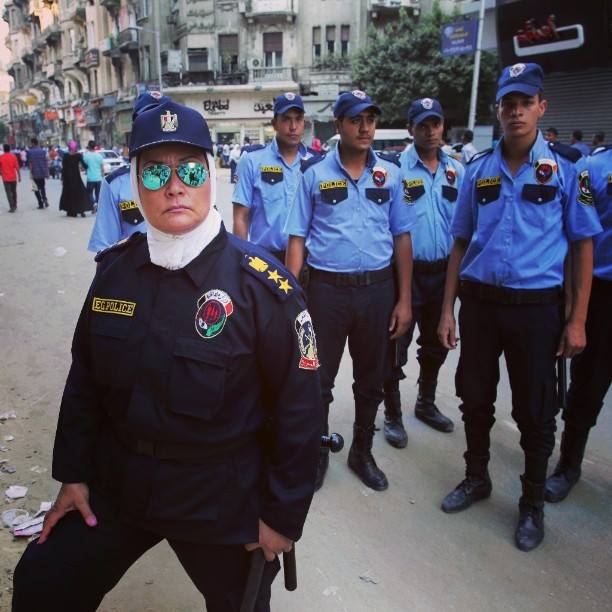
Five takes on female cops fighting harassment on Cairo’s streets
"If the process is not developed properly, we risk reproducing the very patriarchy we are trying to fight."
Initiative documents 77 instances of sexual harassment during first day of Eid
The "I Saw Harassment” initiative released a report on Saturday stating that it documented at least 77 instances of sexual harassment on…
Rampant sexual violence continues on second day of Eid
Violent incidents of sexual harassment continued unabated on the second day of Eid celebrations, according to a report issued by the “I…
Your support is the only way to ensure independent, progressive journalism survives.
You have a right to access accurate information, be stimulated by innovative and nuanced reporting, and be moved by compelling storytelling. Subscribe now to become part of the growing community of members who help us maintain our editorial independence.
Join us