
Parliament approves law expanding powers to dismiss civil servants on terrorist lists
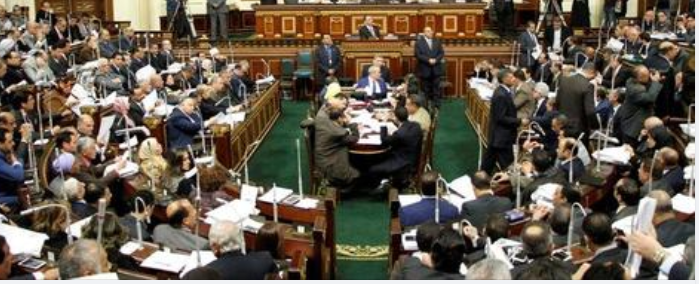
Senior government officials will soon be able to fire employees from the civil service and state-run industries on the basis of their inclusion on government terrorist lists without prior disciplinary action.
Amendments to a 1970s law approved by lawmakers on Monday allow for the dismissal of public employees on the basis of “violating professional duties” in ways that harm “economic interest or national production” and “if there is “serious evidence” that an employee has “undermined national security and stability.” According to the changes, being listed on a government terrorist list is evidence of such a threat and therefore grounds for non-disciplinary dismissal.
The changes allow the suspension or dismissal of employees to be made without standard disciplinary procedures outlined in the civil service law that requires disciplinary committee procedures and an administrative investigation process. In addition, the new bill allows the president to delegate dismissal powers to the prime minister.
As of April 2021, the number of people who appear on state terrorist lists had grown to over 6,700 names, according to local press reports. According to human rights groups, the state has repeatedly abused the enlisting mechanism to target members of the Muslim Brotherhood as well as independent activists in detention and other political prisoners.
According to the 2015 law regulating the process, being added to a terrorist list is a “precautionary measure” that should be approved by a judge upon an official request from the public prosecutor. Nevertheless, several hundred defendants imprisoned in remand detention for prolonged periods have been put on terroristt lists without a final court ruling convicting them of terrorism charges. Former parliamentarian Zyad Elelaimy, Hossam Moannis, and around 80 political figures and activists in the Coalition for Hope case were added to terrorist lists.
Amendments in 2020 to the law on terrorist lists expanded the punitive measures associated with the lists, giving courts the power to impose blanket asset freezes and to impose a freeze on membership in professional syndicates and boards of companies to anyone included on a terrorist list. In the original 2015 law, evidence demonstrating the use of assets in terrorist activities was required for asset freezes.
The amendments to alter the existing law on non-disciplinary dismissal were first proposed in November 2020 by MP Ali Badr and received quick initial approval from lawmakers elected to the 2015-2020 House. They were not issued before the end of the former House’s term, however.
Badr, along with 10 other MPs, put forward the amendment again in May, shortly after Transportation Minister Major General Kamel al-Wazir suggested the law should be enacted in the wake of two major railway incidents earlier this year which led to the deaths of over 40 people within a month. At the time, Wazir blamed the poor condition of the national rail network on what he said were over 160 “agitators and extremists” employed by the Egyptian Railway Authority.
Although the amendments have yet to be signed into law, state employees in several sectors have already faced dismissal or suspension from their jobs for similar reasons. In early May, Wazir sacked a senior official at the railway authority responsible for maintenance operations, Samy Abdel Fattah, telling the privately owned Al-Watan newspaper at the time that “no extremist elements will be allowed in the railway system.”
After two more train incidents in June, Wazir announced that 13 railway employees identified as “agitators” had been suspended from work for three months and their salaries halved. He also claimed at the time that the Muslim Brotherhood had hired 3,000 railway employees during the administration of the deceased former President Mohamed Morsi who “were not useful to us” and “only get paid.”
State employees were also uprooted en masse from the Education Ministry in 2019, when incumbent minister Tarek Shawky fired 1,070 teachers for “adopting extremist ideas.”

أخبار ذات صلة
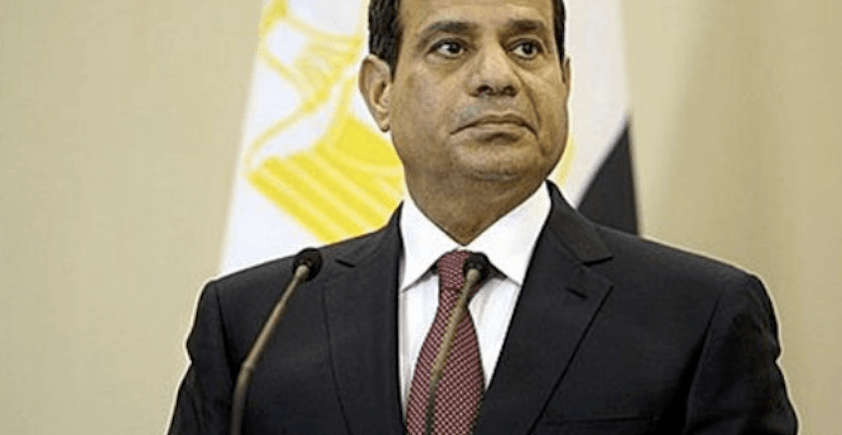
4 security officials to sit on committee empowered to dismiss state employees without disciplinary process
The committee will ultimately answer to the president
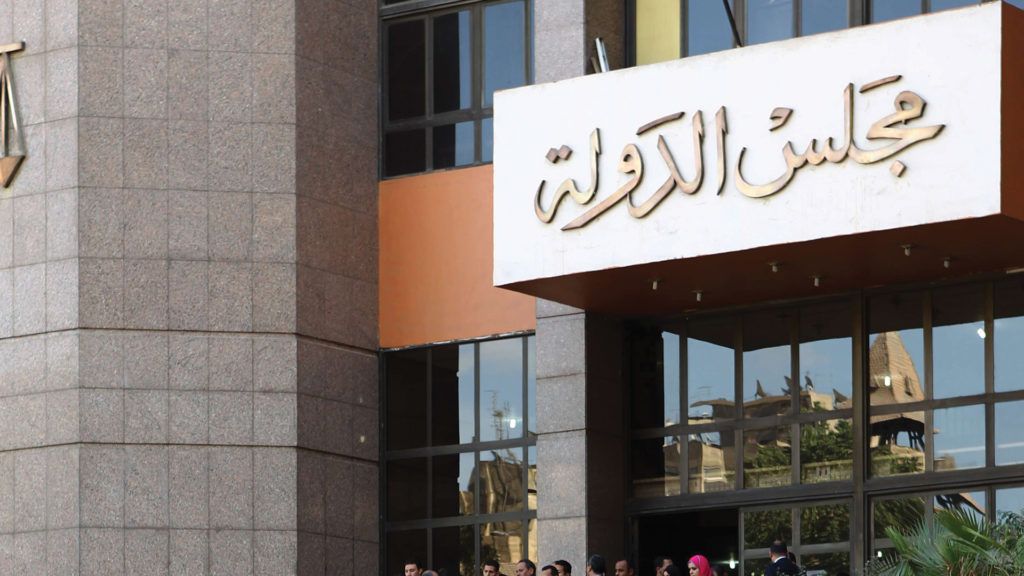
17 striking workers acquitted as court demands right to strike be included in civil service law
A court acquitted 17 post office workers facing striking charges, criticizing legislators' failure to outline the right to strike in Egypt's civil…
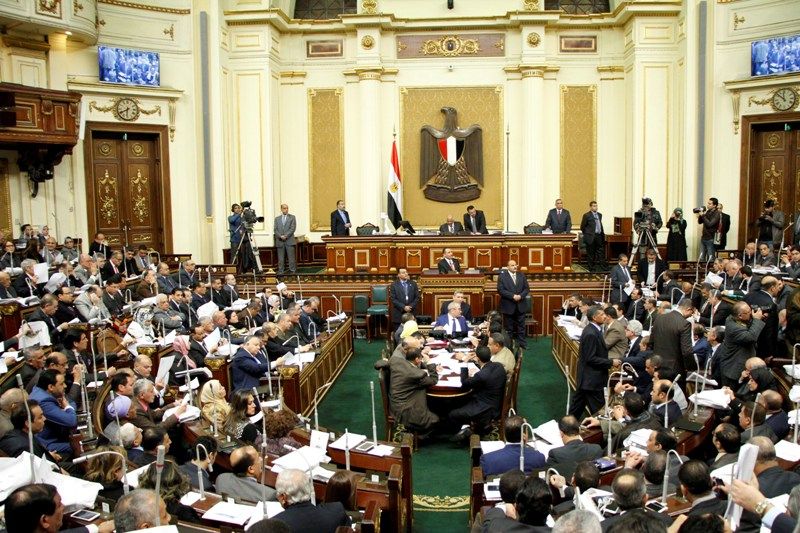
Parliament approves controversial civil service law
Parliament approved the long-disputed civil service law and submitted it to the state council, tasked with assessing its constitutionality.
Parliament stacked against labor interests?
The new Parliament, which convened for the first time in January, is reviewing several pieces of legislation that could adversely affect the country’s workforce. With only a handful of labor…
Your support is the only way to ensure independent, progressive journalism survives.
You have a right to access accurate information, be stimulated by innovative and nuanced reporting, and be moved by compelling storytelling. Subscribe now to become part of the growing community of members who help us maintain our editorial independence.
Join us