
Minister defends Protest Law to US official
Transitional Justice Minister Ibrahim al-Heneidy defended Egypt’s controversial Protest Law in a meeting with a US official on Monday, claiming the law is applied justly and without any political bias, reported the state-owned Middle East News Agency (MENA).
In the meeting, US Chargé d’Affaires to Egypt David J. Ranz raised concerns that the law was used to target political activists. Heneidy, however, insisted that the Protest Law was just like legislation organizing the right to protest in the United States, in that it lays down regulations to defend public order and the general well-being of society.
The minister went on to assert that the law complies with the International Convention for Civil and Political Rights, and is applied by judges who are completely independent and unbiased.
Any charges brought against activists are criminal in nature, not political, Heneidy added.
Since going into effect in November 2013, the Protest Law has been the object of both local and international condemnation. The law stipulates that organizers of a demonstration must notify and gain approval from security forces at least 24 hours in advance, giving the authorities the right to cancel a protest that they consider a threat to public security. Activists say these conditions give security forces complete control over the right to protest.
New York-based Human Rights Watch said in November that the law violates international standards, and is a direct threat to the right of peaceful protest and assembly.
“This new Egyptian government’s first major legislative act clearly shows that its goal is to sharply restrict peaceful assembly and to let security shut down protests at will,” Joe Stork, HRW’s deputy Middle East director, wrote in the statement. "This law will reverse the freedom to demonstrate that Egyptians seized in January 2011, and risks putting that freedom, which brought about momentous change, into reverse.”
Amnesty International has also lambasted the law for giving security forces “free rein” in suppressing dissent.
“Granting security forces complete discretion to ban protests or disperse them using excessive and lethal force is a serious setback for human rights in Egypt and paves the way for further abuse,” said Hassiba Hadj Sahraoui, Middle East and North Africa deputy director at Amnesty International.
Several political activists have claimed the law represents the state’s attempt to target political dissidents and crack down on rights and freedoms gained following the January 25 revolution, especially the right of peaceful protest.
Wiki Thawra — an initiative created by Egyptian Center for Social and Economic Rights (ECSER) to document all those detained, arrested and killed since the January 25 uprising — reported that around 40,000 people have been detained since former President Mohamed Morsi fell from power on July 3, 2013. Of those arrested, 89 percent were detained on political grounds, and 4 percent on terrorism-related charges.
Activist Alaa Abd El Fattah and 25 others were sentenced to 15 years in prison for violating the Protest Law when they protested in front of the Shura Council against an article allowing military trials for civilians in the newly passed Constitution. Activists Ahmed Douma and founders of April 6 Youth Movement Ahmed Maher and Mohamed Adel were all sentenced to three years in prison on similar charges.
Alexandria-based activist Mahienour al-Massry and seven others were also sentenced to two years in prison under the law. Massry’s sentence was later reduced to six months.
Last Wednesday, four detainees announced a hunger strike and launched a campaign called “We are fed up,” asking other political prisoners to join them. Douma and Adel started the campaign, and were soon followed by Abd El Fattah, Wael Metwally and Mohamed Abdel Rahman.
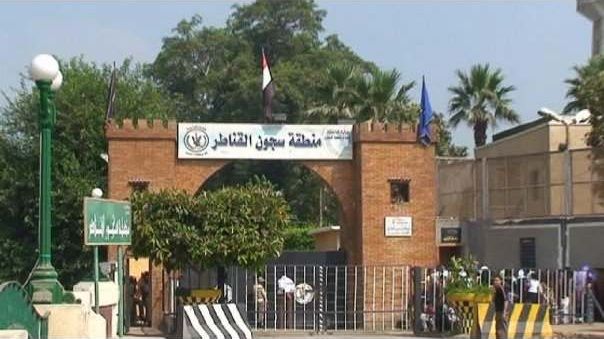
Earlier this month, sisters Hend and Rasha Mounir announced a hunger strike from their cells in Qanater women’s prison after receiving life sentences. The siblings were arrested in a protest in August 2013 denouncing the violent dispersal of Muslim Brotherhood sit-ins. The sentence came one year after their arrest. Massry declared yesterday that she would also start a hunger strike in support of the rest of the detainees.
Mohamed Soltan is currently the longest hunger-striking detainee in Egyptian prisons. His hunger strike has now surpassed 210 days.

أخبار ذات صلة
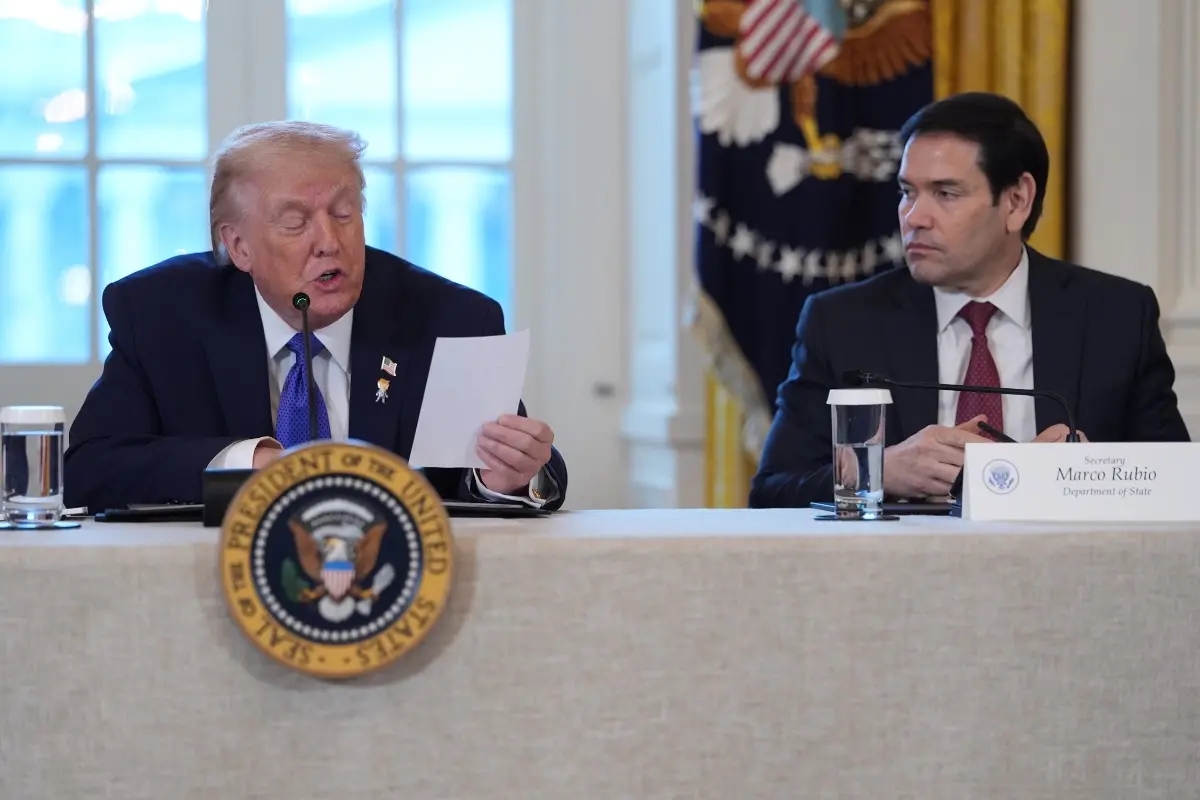
US designates Muslim Brotherhood in Egypt, Jordan, Lebanon as terrorist organizations, citing Hamas ties
The United States designated the Muslim Brotherhood’s branches in Egypt, Jordan and Lebanon as terrorist organizations on Tuesday, according to a statement…
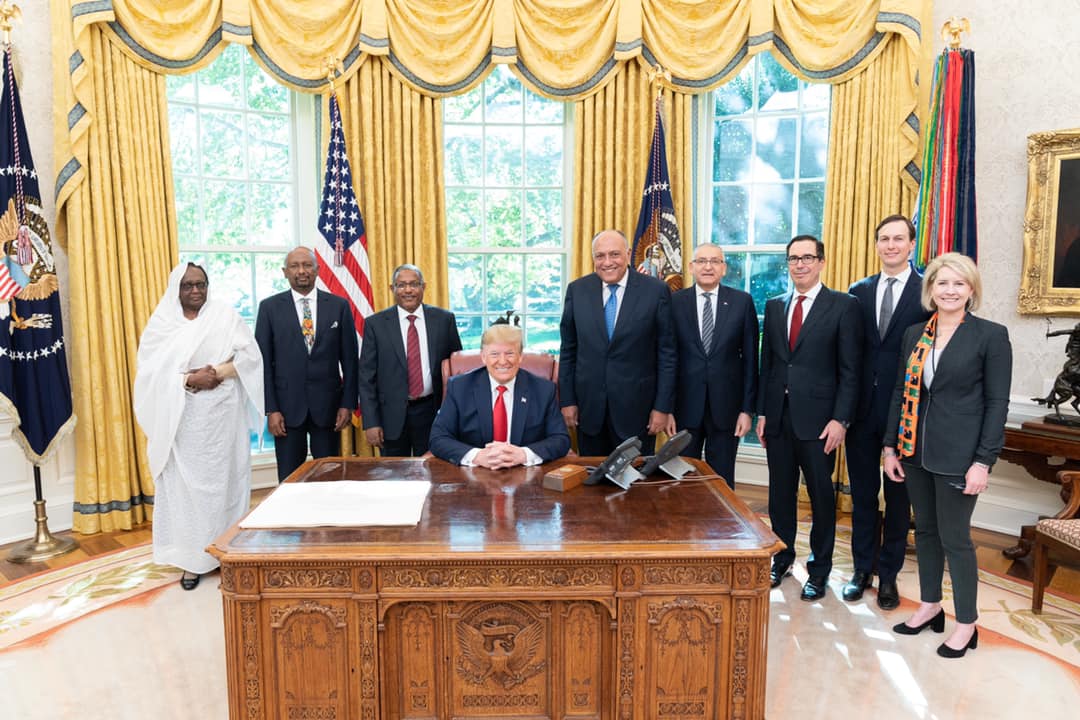
Trump says US ‘working on’ resolving Grand Ethiopian Renaissance Dam dispute
President Abdel Fattah al-Sisi expressed appreciation for what he described as Trump’s keenness to r

Hamas releases Israeli American soldier Edan Alexander as negotiations to end war resume under Israeli fire
Alexander, a 21-year-old soldier in the Israeli army who was raised in New Jersey, is thought to be
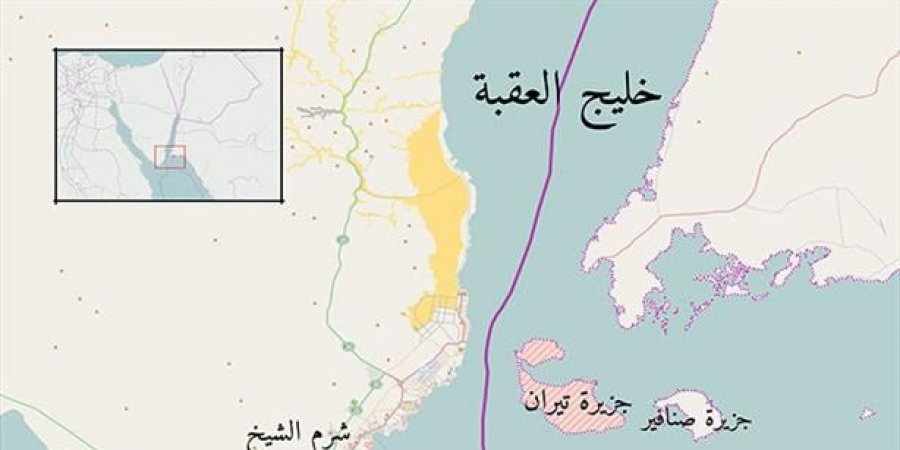
Lawyers reignite fight against govt’s transfer of Tiran, Sanafir islands to Saudi Arabia
The appeal calls for the annulment of the 2017 presidential decree and argues that the transfer viol
Your support is the only way to ensure independent, progressive journalism survives.
You have a right to access accurate information, be stimulated by innovative and nuanced reporting, and be moved by compelling storytelling. Subscribe now to become part of the growing community of members who help us maintain our editorial independence.
Join us