
Military announces more tunnels destroyed along Gaza border
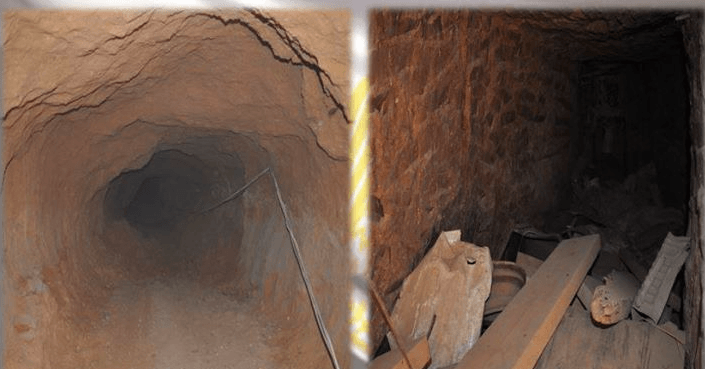
Egypt’s Armed Forces reported the demolishing of 20 tunnels in November between the northeast Sinai Peninsula and the Gaza Strip.
The tunnel demolitions were announced in a statement on the official webpage of the spokesperson for Egypt’s Armed Forces on Monday, along with photos of the tunnels that were reportedly destroyed.
Dozens of tunnels have been flooded with sewage or seawater by the military since October 2014, based on claims they are used to transfer weapons into Sinai for use against Egypt’s security forces.
But the tunnels are also used to transfer consumer commodities, building materials, fuel and medicine into the besieged Gaza Strip.
Since the ouster of Islamist President Mohamed Morsi in July 2014, Egypt’s authorities have accused Hamas in Gaza — which has historical ties to the Muslim Brotherhood — of carrying out terrorist operations in Sinai in order to destabilize the country.
In recent months, Gazans living near the Egyptian border have reported that the flooding of the tunnels has led to land slides, the sinking of roads, increasing soil salinity of agricultural lands and the contamination of wells and ground water.
Egypt’s Armed Forces have been creating a buffer zone with the Palestinian enclave by demolishing a number of tunnels and displacing thousands of local residents in Rafah.
Human Rights Watch, in their report “Look for Another Homeland,” asserted that 3,255 residential, commercial and community buildings were destroyed in Rafah between July 2013 and August 2015, resulting in the displacement of several thousands of residents.
Work began on the buffer zone following armed attacks on security forces on October 24, 2014 that left more than 30 troops dead in northern Sinai. Although the attack was claimed by a militant group operating in the peninsula, Egyptian authorities blamed Hamas and their network of smuggling tunnels for assisting in the attack.
Consequently, the Rafah border crossing has also remained closed, although it is periodically opened for a limited period of time to permit the limited crossing of medication and people.
Egyptian authorities reportedly opened the border on Thursday and Friday last week, permitting the crossing of 1,148 individuals from Gaza, along with another 561 who crossed into the Palestinian enclave from Sinai, according to the state-owned Middle East News Agency.
The United Nations Office for the Coordination of Humanitarian Assistance reported that the Rafah border was only opened for a total of 37 days between October 2014 and October 2015.
Gazan students demanding the right to pursue their studies abroad protested by the Rafah border on Sunday, demanding that it be re-opened.
Other Palestinian rights groups have been calling on the International Committee of the Red Cross to oversee the Rafah border crossing and facilitate the flow of essential goods into the Palestinian territories.

أخبار ذات صلة
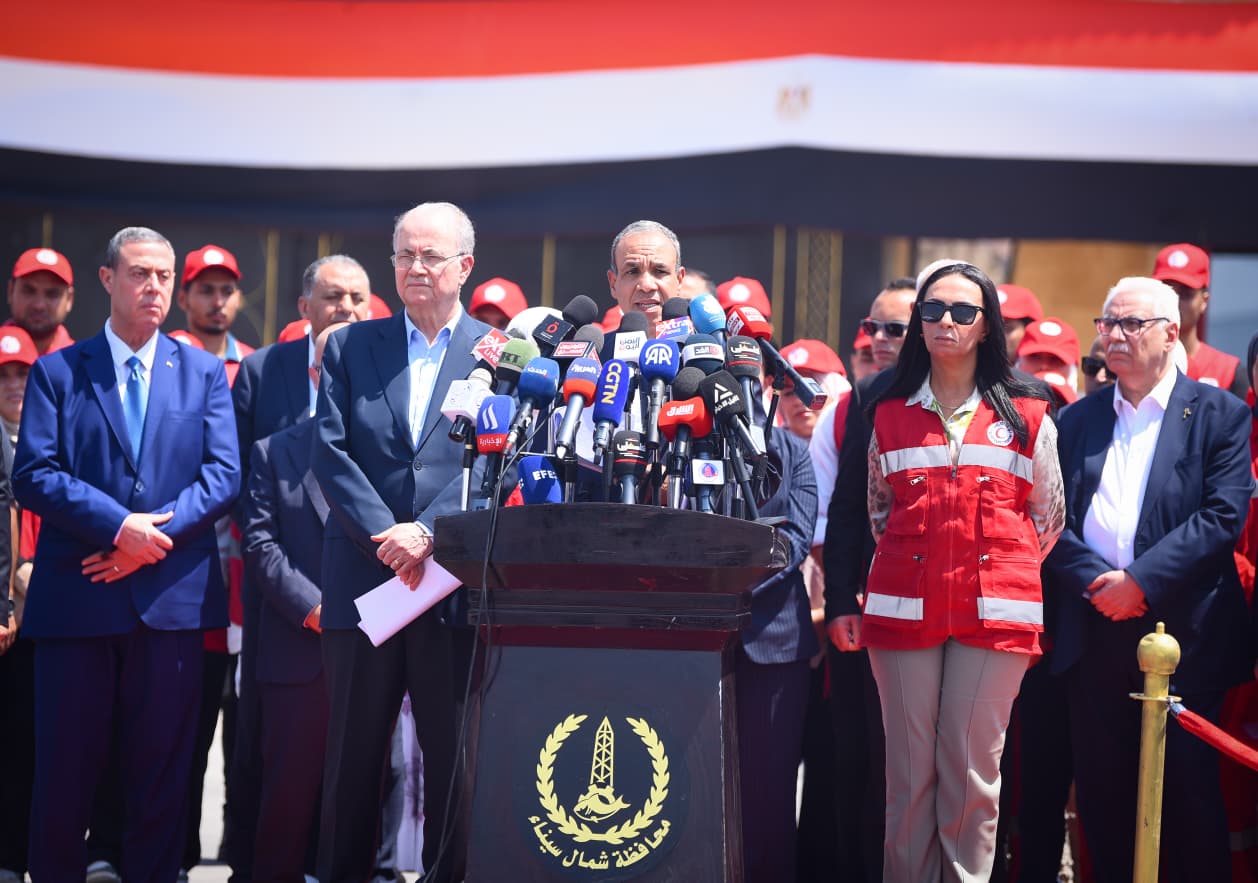
Abdel Atty sketches ambitious vision for PA governance in Gaza despite ‘prohibitive conditions’ preventing ceasefire
In a press conference held at the Rafah border crossing on Monday as Israeli forces advance on Gaza City, Foreign Minister Badr…
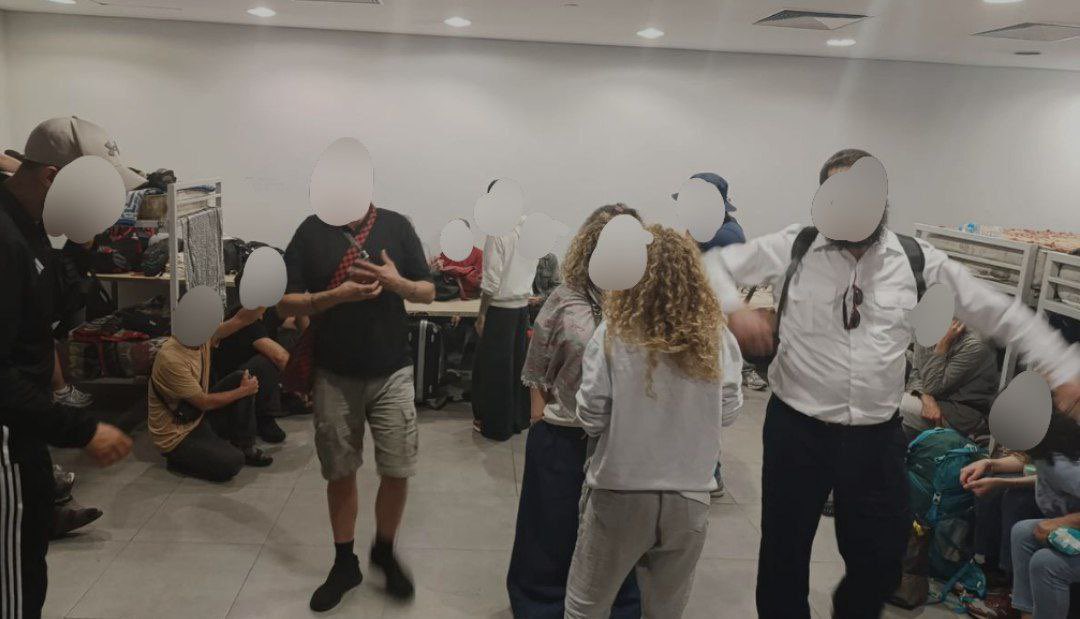
Cairo authorities detain, deport dozens of foreign nationals entering Egypt for Global March to Gaza
Though the march has been coordinated over recent weeks, Egyptian authorities remained tight-lipped
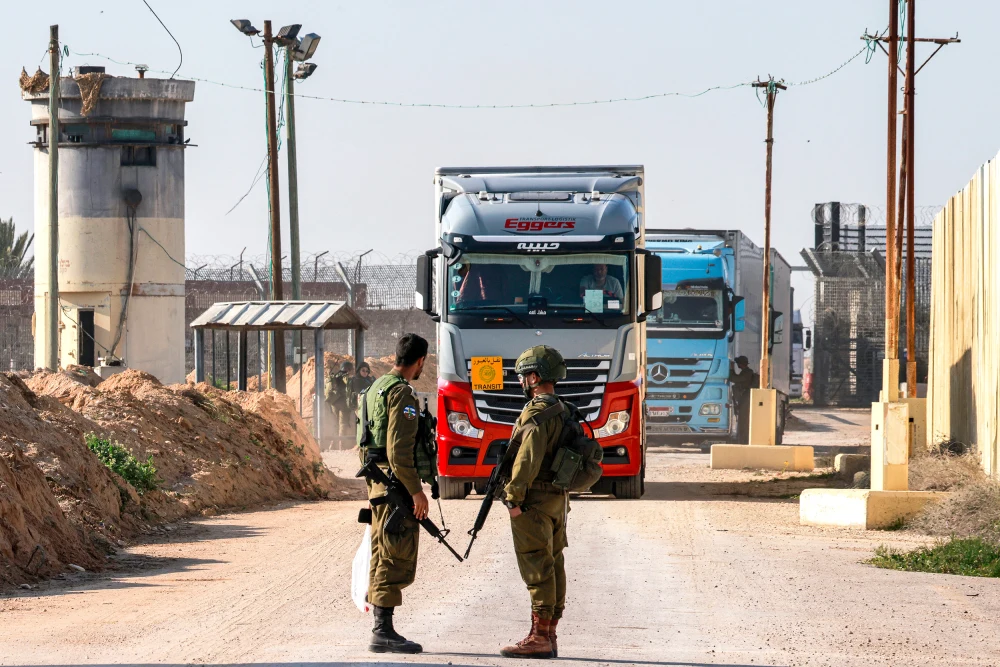
Egypt pushing for Gaza aid deliveries during hiatus to Israel’s attacks expected when Trump visits region
With wheels still spinning on the long-term truce proposal put forward last week, Egypt is pushing
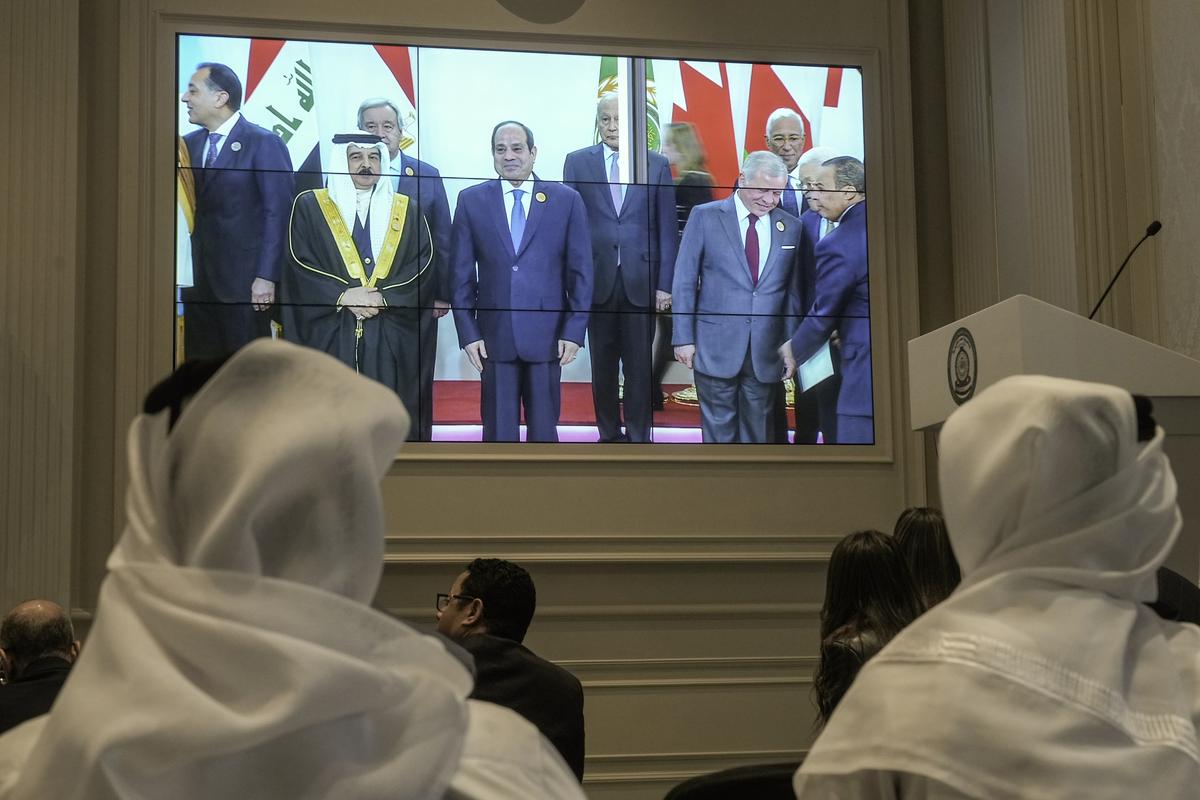
Arab states sign off on Gaza reconstruction plan, postponing details to ‘as soon as possible’
The emergency Arab League summit concluded in Cairo with some Arab leaders notably absent
Your support is the only way to ensure independent, progressive journalism survives.
You have a right to access accurate information, be stimulated by innovative and nuanced reporting, and be moved by compelling storytelling. Subscribe now to become part of the growing community of members who help us maintain our editorial independence.
Join us