
Low voter turnout among doctors for syndicate elections

The results of the mid-term Doctors Syndicate elections Sunday revealed a low turnout, with Muslim Brotherhood members largely boycotting the vote.
Half the syndicate council seats were up for grabs in these elections, held on October 9, and including 27 nationwide branches of the syndicate.
The last such mid-term elections were conducted in December 2013, resulting in significant losses for the Muslim Brotherhood’s electoral list, Doctors for Egypt.
Following this historic defeat nearly two years ago, the Brotherhood-dominated list chose not to field any candidates this time round.
Those to gain the largest number of seats were the Independence Current, a centrist coalition that includes the liberal and left-leaning Doctors Without Rights list. Trailing behind was the Hekma list, largely composed of pro-regime figures in the Health Ministry.
The offices of the new council members are yet to be determined, with syndicate presidents — at both the central syndicate and branch syndicates — having been directly voted into office.
Hussein Khairy, of the Independence Current, was voted in as the new president of the Doctors General Syndicate, replacing Khairy Abdel Dayyem, from the Doctors for Egypt bloc. A total of ten candidates were competing for this executive position.
Mona Mina, former secretary general of Doctors Without Rights, was also voted on to the General Syndicate council, with the highest number of votes for any candidate.
During a press conference held on Sunday afternoon, election committee chief Rashwan Shaaban announced that the elections were “free and fair,” adding that they were conducted under comprehensive judicial supervision and took place without incident, with the exception of two complaints filed in Cairo and Alexandria.
However, Shaaban confirmed that they had witnessed a lower than expected turnout, asserting that more doctors should have actively participated in the vote “to show society that behind the syndicate and its councils is a strong general assembly, with its members freely choosing their representatives.”
Shaaban explained that on a national level, 15,654 doctors (out of a total 249,121 registered doctors) cast their votes during these elections, making up around six percent of all eligible general assembly members. Countrywide, around five percent of valid ballots were cast for the new chief of the General Syndicate.
Branch syndicates, with the exception of the Doctors Branch Syndicate of Cairo, generally registered very low voter turnouts, according to Shaaban. For example, five percent of eligible assembly members cast their votes from the Aswan Branch Syndicate.
Shaaban praised members of the Doctors Branch Syndicate in the Red Sea Governorate, who managed to garner a 35 percent turnout, “despite the large distances between cities in this governorate, and despite the long distances” they had to travel to vote.
The branch syndicate with the second highest turnout was Luxor, with 33 percent casting their ballots.
Shaaban attributed the low national turnout to the fact that “nearly half of Egyptian doctors are based abroad.”
Others say there was a general sense of apathy toward the elections. Bahaa Awwad, who didn’t vote, told Mada Masr, “There is a general sentiment of political apathy across the country. I believe that this apathy will spill over into the upcoming parliamentary elections too, resulting in low turnouts.”
Awwad continued, “The absence of the Muslim Brotherhood from these elections lowered the voter turnout, while also contributing to the sense that there is no real political force to contend against.”
He explained that previous syndicate councils have performed poorly, and failed to meet the demands of doctors concerning an incremental pay scale and improving hospital conditions. Several strikes have also failed to push for such demands.
According to an opinion poll, published on the official webpage of the Doctors Syndicate, just over 50 percent of participants claimed they thought the syndicate's performance since the last mid-term elections had been “good” or “good but I expect better,” while another 50 percent felt the performance had been “poor and not up to expectations.”

أخبار ذات صلة
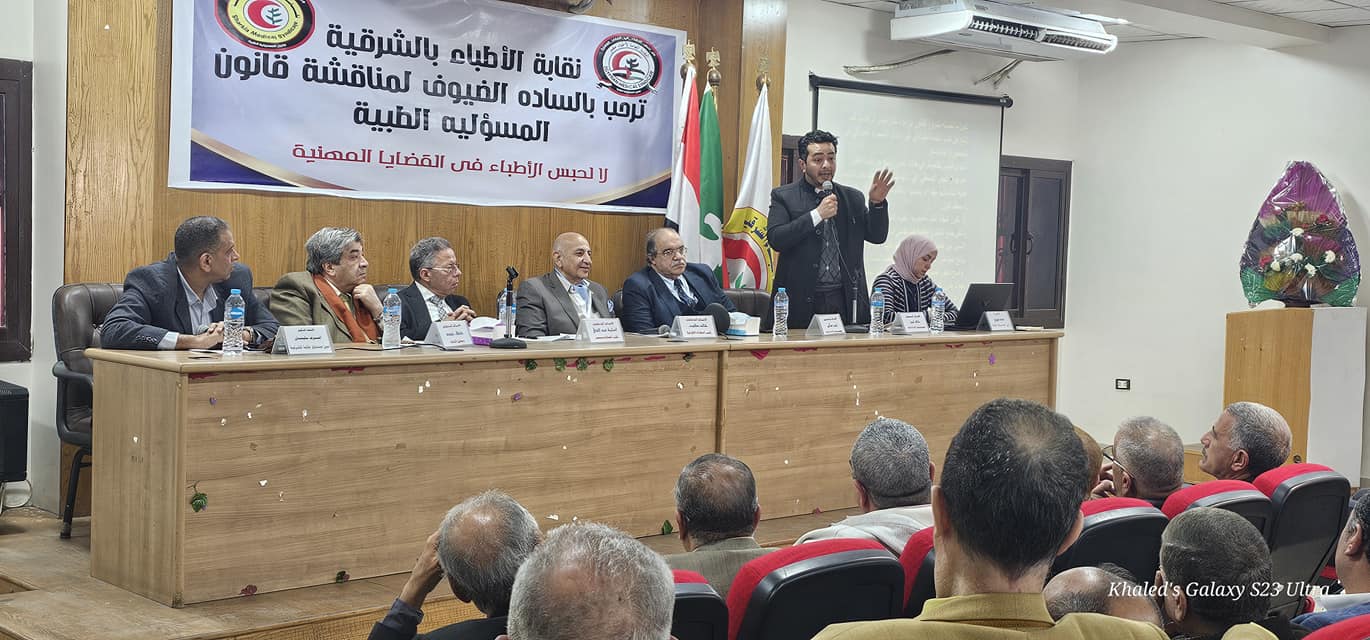
Doctors say new law would criminalize reasonable medical error, call on politicians to intervene
A new bill that would alter the legal approach to medical malpractice is causing a stir among doctors. If passed, the bill…
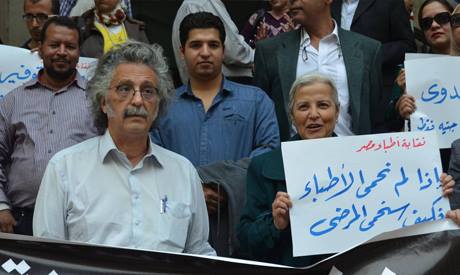
Haunted by infection: Egypt’s doctors face COVID-19 without protective equipment
At least 26 medical practitioners reportedly have contracted the coronavirus so far.
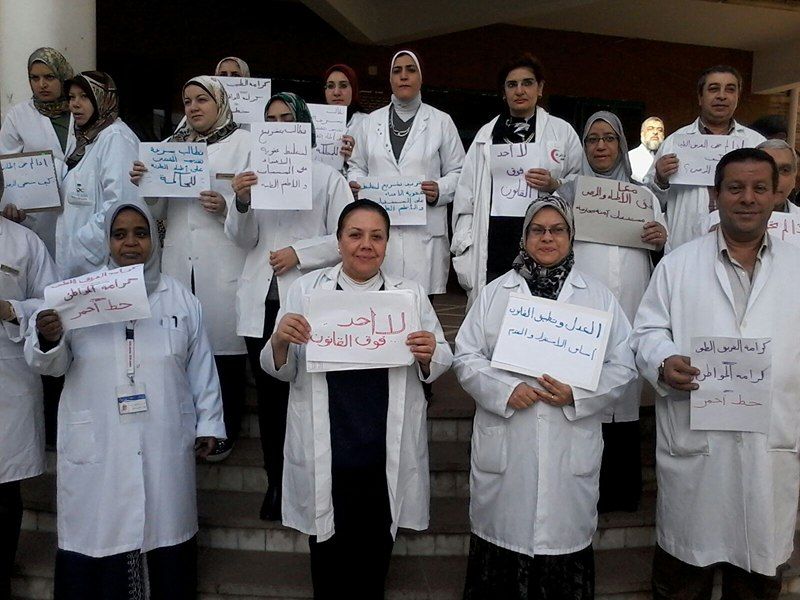
Doctors launch campaign for ‘free healthcare’ across Egypt
On Saturday, the Doctors Syndicate embarked a nationwide campaign in public hospitals dubbed “Free Healthcare is Your Right.” The campaign is due…
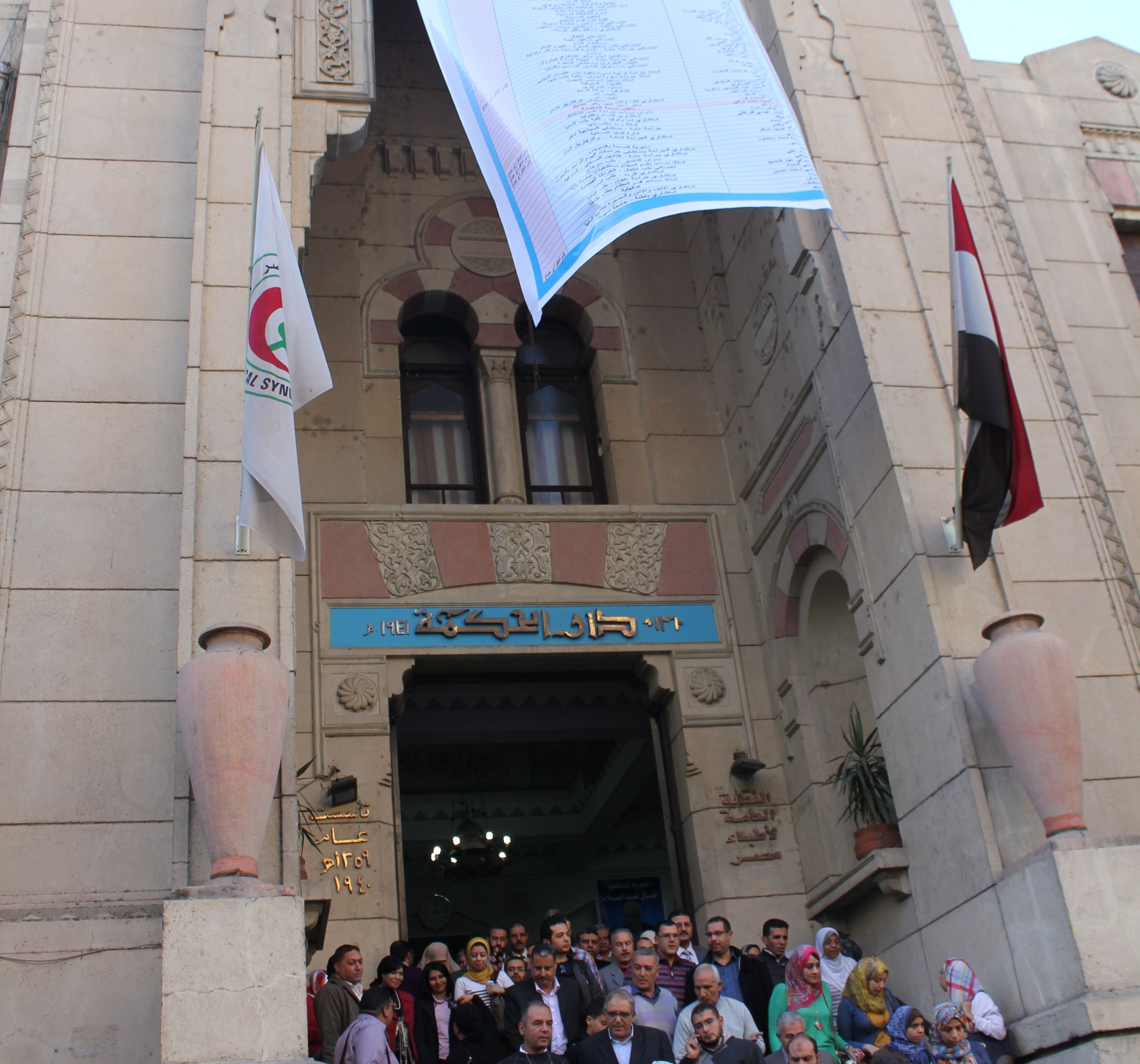
Doctors Syndicate Secretary General joins sit-in against preferential hiring
Mona Mina, the Secretary General of the Doctors Syndicate, joined a sit-in on Sunday at the al-Galaa Education Hospital to protest against…
Your support is the only way to ensure independent, progressive journalism survives.
You have a right to access accurate information, be stimulated by innovative and nuanced reporting, and be moved by compelling storytelling. Subscribe now to become part of the growing community of members who help us maintain our editorial independence.
Join us