
Human Rights Watch decries arrest of Strong Egypt activists
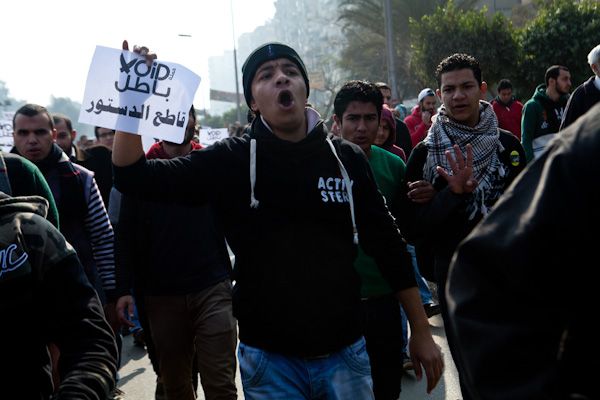
Human Rights Watch (HRW) criticized the recent arrests of activists campaigning for a “no” vote on the constitution in a report issued Monday. The New York-based group called on prosecutors to drop all charges against the campaigners.
The report pointed to the arrest of seven members of the Strong Egypt Party who face criminal charges for distributing material calling for a “no” vote in the two-day referendum, to begin on Tuesday.
“The referendum comes in the midst of widening repression against political dissent in which arbitrary arrests solely for the exercise of peaceful expression and assembly have increased,” HRW said. “While streets are awash with billboards and signs calling for a ‘yes’ vote, ‘no’ posters have been virtually absent from the public square.”
The Strong Egypt Party announced Sunday night that it would suspend its campaign against the draft constitution, following the arrest of several of its members.
The party said the decision comes in light of the “arrest campaign and systematic security violations” its members are subjected to, according to a statement posted on the Strong Egypt Party Facebook page.
Members of the Strong Egypt Party were arrested on three separate occasions. The first group of three is charged under a section of the penal code that criminalizes “propogat[ing] . . . the call for changing the basic principles of the constitution . . . when the use of force or terrorism, or any other illegal method, is noted during the act,” according to the report.
Another party member is facing charges related to alleged involvement in terrorism.
The three arrested Sunday night will be referred to the prosecutor on January 13 for “distributing fliers, attempting to overthrow the regime, provoking citizens to reject the constitution, and engaging in incitement against the police and army,” HRW said.
“Egyptian citizens should be free to vote for or against the new constitution, not fear arrest for simply campaigning for a ‘no’ vote,” said Joe Stork, Middle East and North Africa deputy director. “Protecting the right to vote requires safeguarding the right to free expression.”
HRW’s report details the arrests of each of the Strong Egypt Party’s members, saying they “fit an increasingly prevalent practice of police detaining political activists solely on the basis of peaceful expression.”
“The assessment of whether a vote is free and fair has to involve a comprehensive evaluation of the political climate,” Stork said. “Prosecutors should immediately drop the charges against the Strong Egypt activists and ensure that citizens can peacefully protest during the referendum.”
A statement issued by the Armed Forces’ spokesperson Friday vowed to confront protests or attempts to disrupt the voting process with “legal methods” such as tear gas and water cannons.
The statement added that security forces are prepared to potentially arrest rioters “while exercising self-restraint to protect citizens’ lives.”
HRW’s report also cited the arrest of seven activists from Al-Azhar University last December. The activists were carrying banners calling for a “no” vote on the constitution. In early January, nine members of the Muslim Brotherhood were also arrested in Aswan for distributing flyers calling for a boycott of the referendum.
Egypt is required to protect freedom of expression as a state party to the International Covenant on Civil and Political Rights (ICCPR) and the African Charter of Human and Peoples’ Rights, HRW said.

أخبار ذات صلة
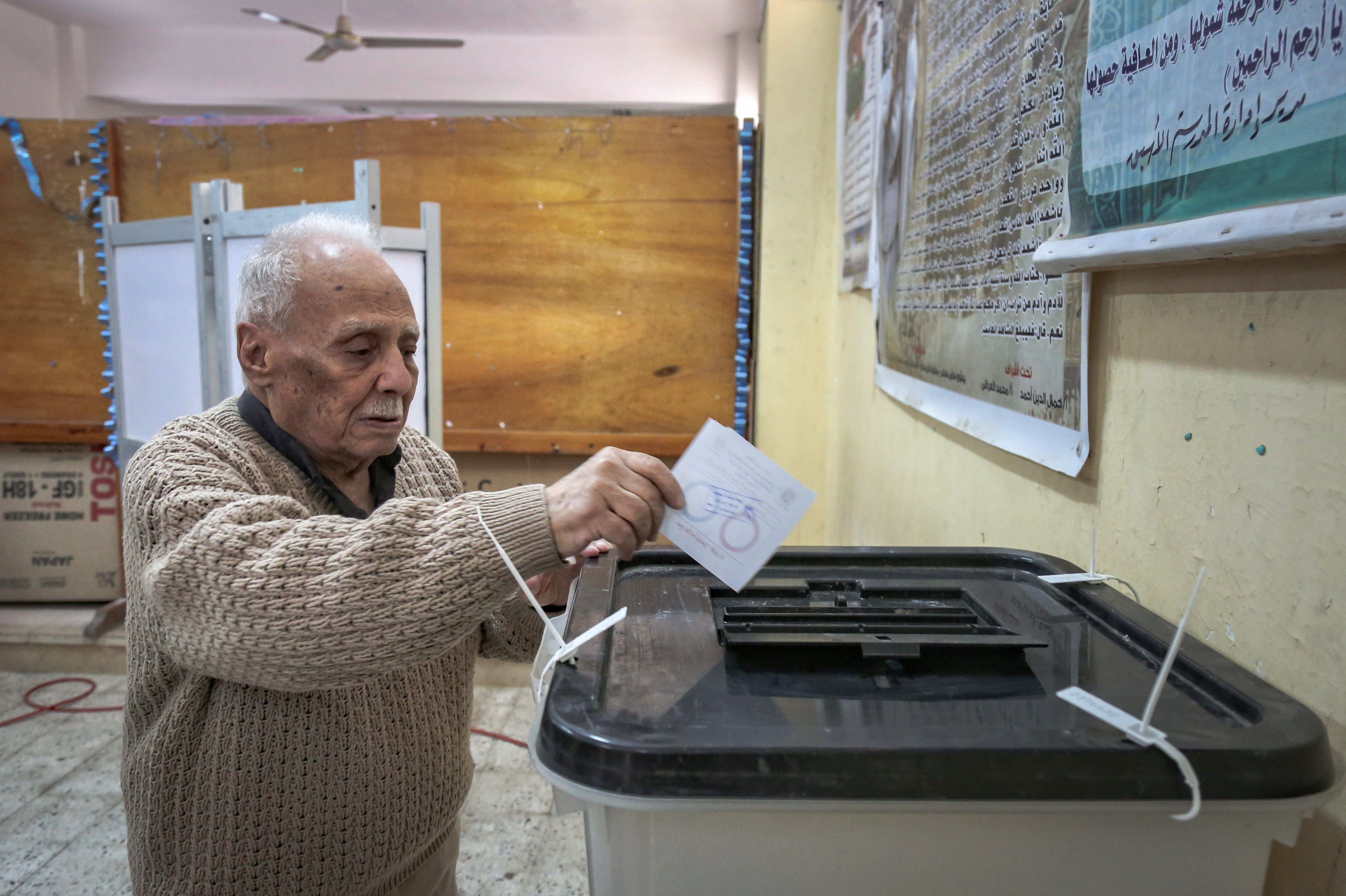
Voting in the dark: Ramming the constitutional amendments through
“What difference does it make what [voters] know or don’t know?” says one parliamentary source.
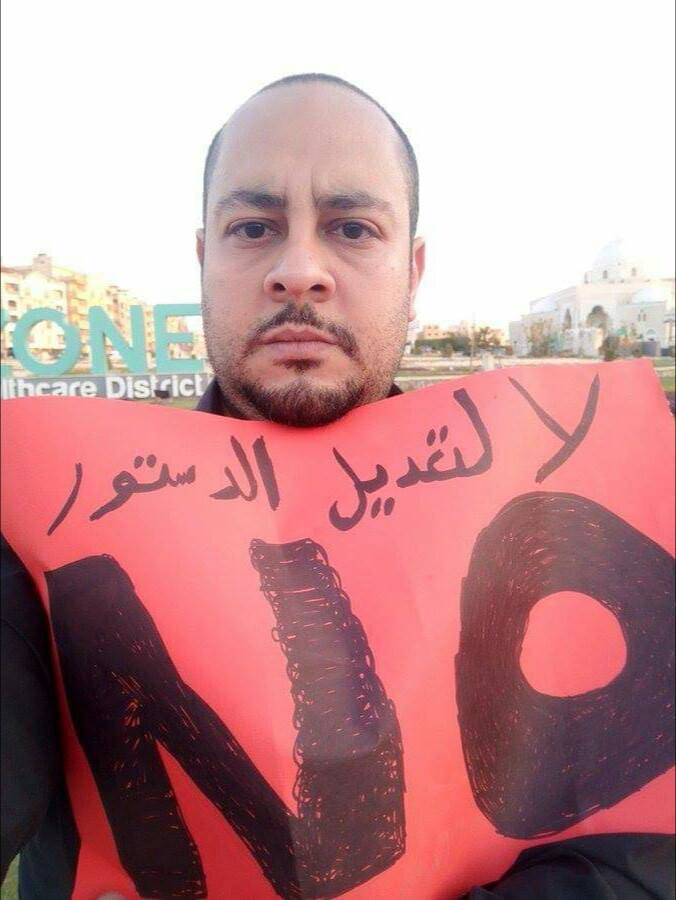
Ballot-box politics: What has pushed Egypt’s opposition to vote ‘no’?
Unlike in previous votes, more opposition members are calling for a 'no' vote than for a boycott.
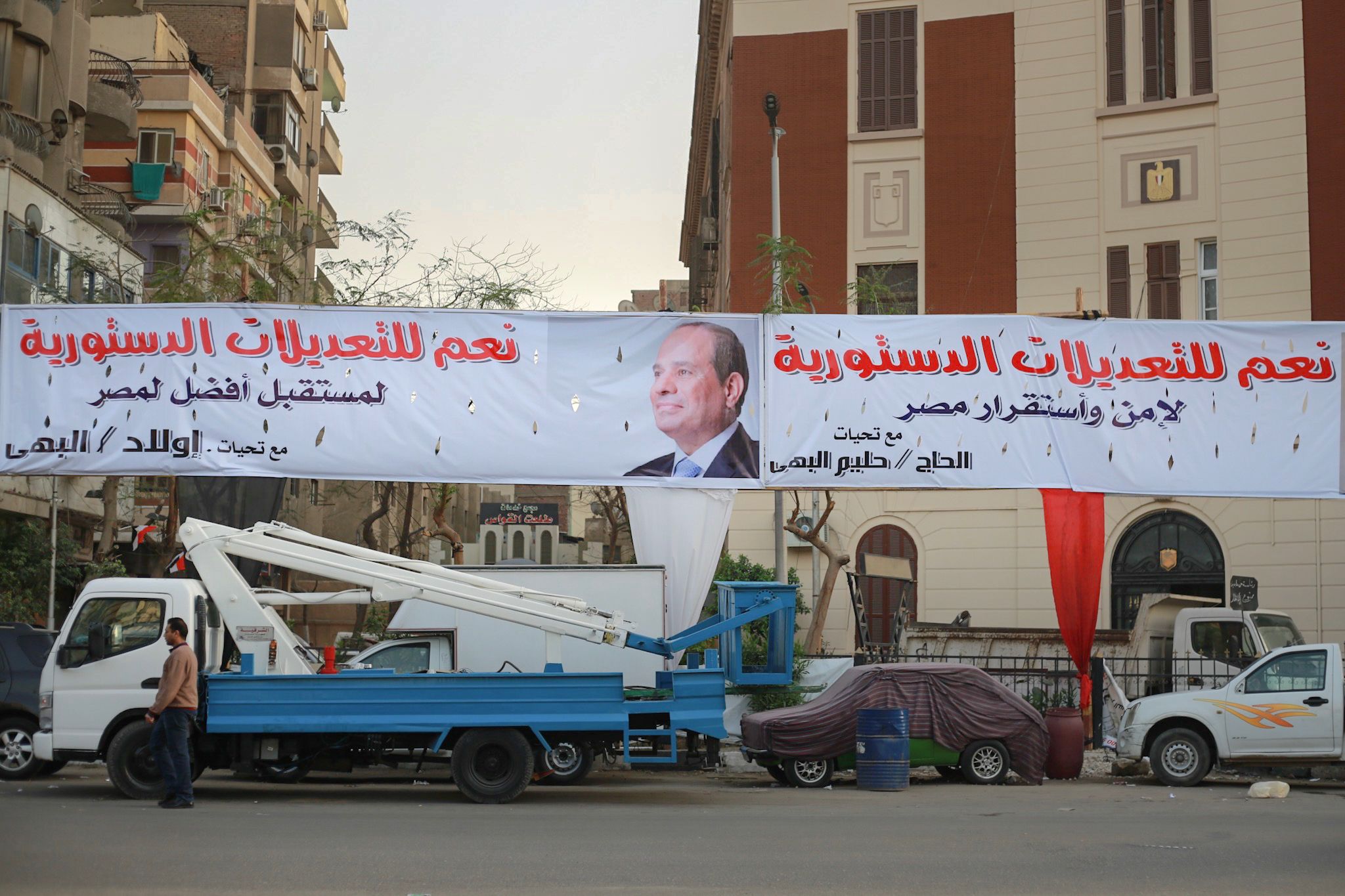
National referendum on constitutional amendments to begin 3 days after parliamentary approval
A national referendum on amendments to the Constitution will be held this weekend
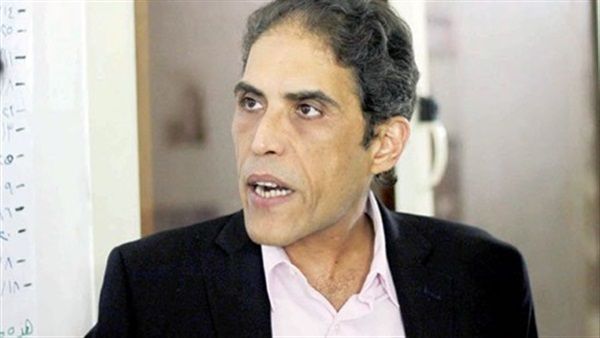
A disintegrating coalition: Rifts re-emerge after Dostour Party’s default leadership election
Rifts have re-emerged within the Dostour Party days after the default election of Khaled Dawoud as party president
Your support is the only way to ensure independent, progressive journalism survives.
You have a right to access accurate information, be stimulated by innovative and nuanced reporting, and be moved by compelling storytelling. Subscribe now to become part of the growing community of members who help us maintain our editorial independence.
Join us