
Government inches toward vaccine-for-fee model with private sector

As the government continues to vaccinate its population against COVID-19, plans to allow private healthcare companies to sell vaccinations are underway.
During a meeting of the House of Representatives Complaints and Suggestions Committee on Monday, lawmakers agreed on the broad strokes of a regulatory framework for the inclusion of the private sector in the national vaccination effort, including standardized pricing.
The proposal appears to build on a policy proposal floated in the winter for the government to provide free vaccine shots only for those unable to afford to pay.
Deputy Health Minister for Preventive Medicine Dr. Alaa Eid attended the meeting and endorsed the committee’s proposal, which was then referred to Cabinet, revealing at the same time that the ministry has already embarked on conversations with at least two private companies regarding procurement before a regulatory framework is in place.
Though the Health Ministry initially banned private laboratories from providing PCR tests for COVID-19 during the first months of the pandemic in 2020, Prime Speed Medical was later allowed to run the country’s only drive-thru facility in partnership with the Higher Education Ministry in a tender that was not offered publicly.
Committee chair MP Mohamed Hamdy Dessouky told Mada Masr that were the committee’s proposal to materialize, it would allow the “provision of several different coronavirus vaccines in private hospitals for those who can afford it.”
According to Dessouky, private companies would either import or manufacture the vaccines themselves, before distributing them to private hospitals approved by the Health Ministry to administer the shots to citizens. Vaccines will not be available for sale in pharmacies, said Dessouky, adding that MPs and Cabinet representatives who attended the meeting agreed that only hospitals should be permitted to administer shots to ensure proper medical supervision and post-vaccination follow-ups.
The proposal is intended to help the government speed up the vaccination rate in tandem with the Health Ministry’s program, and let those with the means to do so choose their preferred vaccine, said Dessouky.
Dessouky added that Health Ministry officials said they are working on integrating private hospitals that will be licensed to provide the vaccine into their vaccination database, and citizens buying their vaccines from the private sector will be provided with a certificate stamped by the Health Ministry once they are fully vaccinated.
In order to be vaccinated in Egypt currently, people must first apply through a government registration portal, where they fill in their personal information, their health conditions if any, and the desired location for inoculation, before being invited to an appointment at a particular time and date. At least 179 sites have been set up by the ministry to inoculate citizens. Statements to the press have also announced that a limited number of convoys have been deployed to pension distribution centers to register and vaccinate pensioners on the spot, as well as to target workers in certain sectors, including tourism, energy, transportation and the police.
According to the latest figures by officials, around 3 million people have received a vaccine via the ministry’s opt-in vaccination program, or around only 3 percent of the population.
At present, Dessouky told Mada Masr, companies that are to distribute vaccines they import or manufacture will have free rein to determine prices. However, he said that several MPs demanded that the Health Ministry standardize the price of each vaccine to avoid a situation where hospitals set different rates.
Health Ministry officials agreed, said Dessouky, adding that standardized prices would take into account the financial capacity of those who do not wish to wait their turn in the free state vaccination program. An independent medical source told Mada Masr in February that the Health Ministry had plans to provide vaccines at a modest price through partnership agreements with the private sector, similar to what happened with PCR testing operations, adding that “the government does not want to be subject to criticism for not shouldering the entire burden of vaccination, which is what all other countries have done.”
Director of the Egyptian Center for the Right to Medicine Mahmoud Fouad described the vaccination-for-profit model as “inevitable” given the creeping pace of the government campaign balanced against the public appetite for a rapid recovery from the virus. Yet, Fouad argued that giving free rein to the private sector could create space for monopolies and exaggerated prices.
Pointing to the provision of PCR tests, Fouad noted that while Health Ministry-affiliated laboratories provide testing at a cost of LE1,100, costs at private laboratories and hospitals start at LE2,000, noting that public companies could provide a price reference to deter private companies from manipulating prices as they please.
During the committee meeting where the deputy health minister said the ministry is already in talks with two companies, Eid stressed that the “playing field is open for any company to apply for participation” in the effort, though the licensing process for private companies to administer PCR tests early in the pandemic was not so transparent.
Earlier in the course of the pandemic, Prime Speed Medical held a monopoly over coronavirus PCR tests in a partnership with the Higher Education Ministry. When the Cabinet announced the deal with Prime Speed, exempting the company from a Health Ministry policy banning private labs from providing PCR tests for the first few months of the pandemic, it did not clarify how the contract was awarded. When it opened, Prime Speed Medical’s drive-thru facility charged almost double the rate of the tests that were available at public laboratories only at the time.
President of the Egyptian Society of Laboratory Medicine Soheir Hilal submitted a complaint to the Doctors Syndicate against Prime Speed Medical in July, describing Prime Speed Medical’s deal with the Higher Education Ministry as “squander[ing] public funds to allow others to profit.”
In February, Prime Speed Medical announced it had reached an agreement with the Russian government to import 10 million doses of the Sputnik V vaccine, prompting the Health Ministry to deny having allowed private companies to provide the vaccine and stressing that it is the sole provider.
Later, Speed Medical, which owns 30 percent of Prime Speed, explained in a letter to the Egyptian Exchange that the Russian deal does not mean providing doses directly to citizens, but instead putting them at the government’s disposal.

أخبار ذات صلة

Devaluation drama and hot money’s return: What happened with the pound’s historic plummet?
'As long as there is more demand than supply, the price of the pound will continue to decrease.'
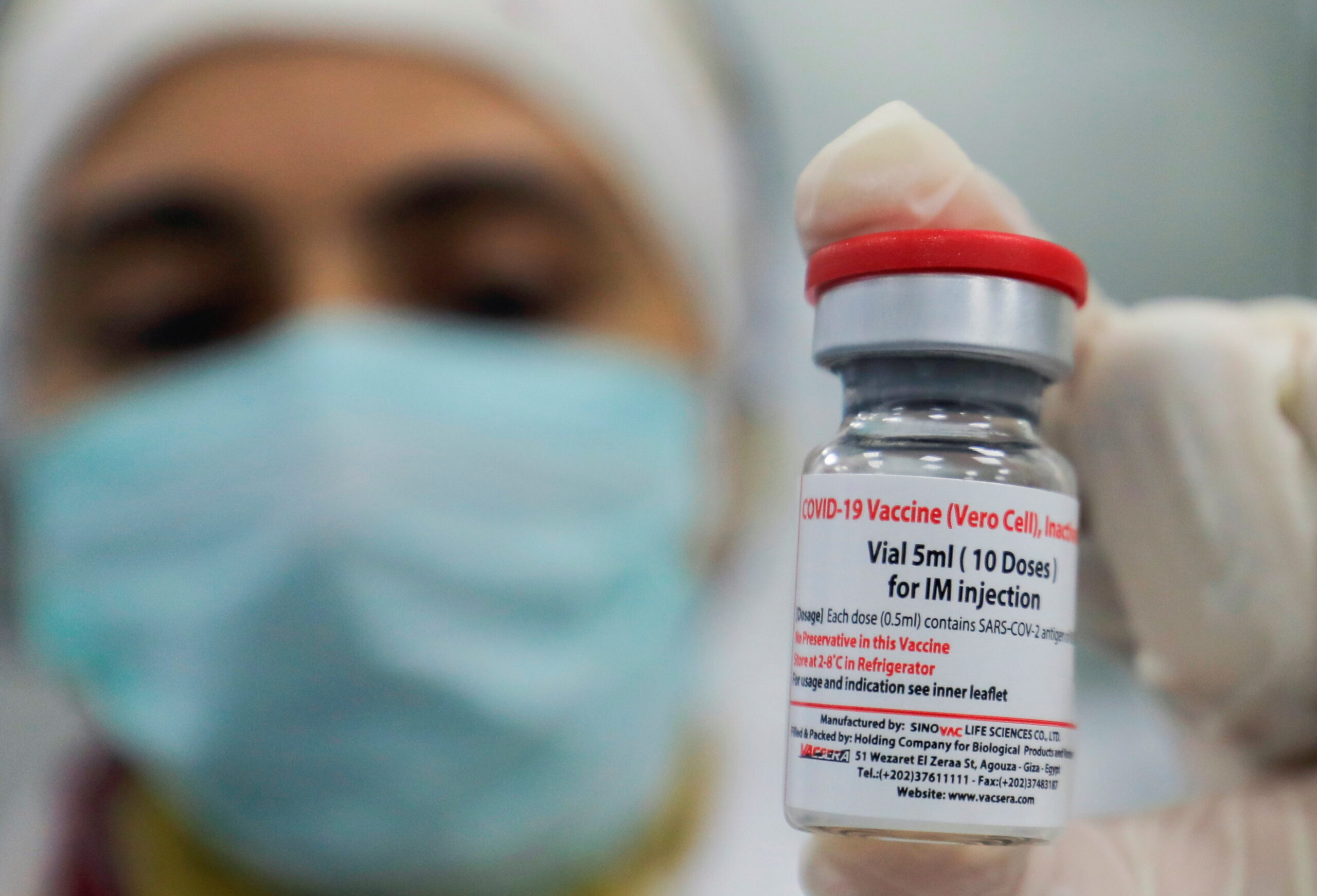
Doctors: Expired Sinovac-Vacsera doses being used in Cairo COVID-19 vaccination campaign
Medical teams are being instructed not to show recipients the ampoules if they ask
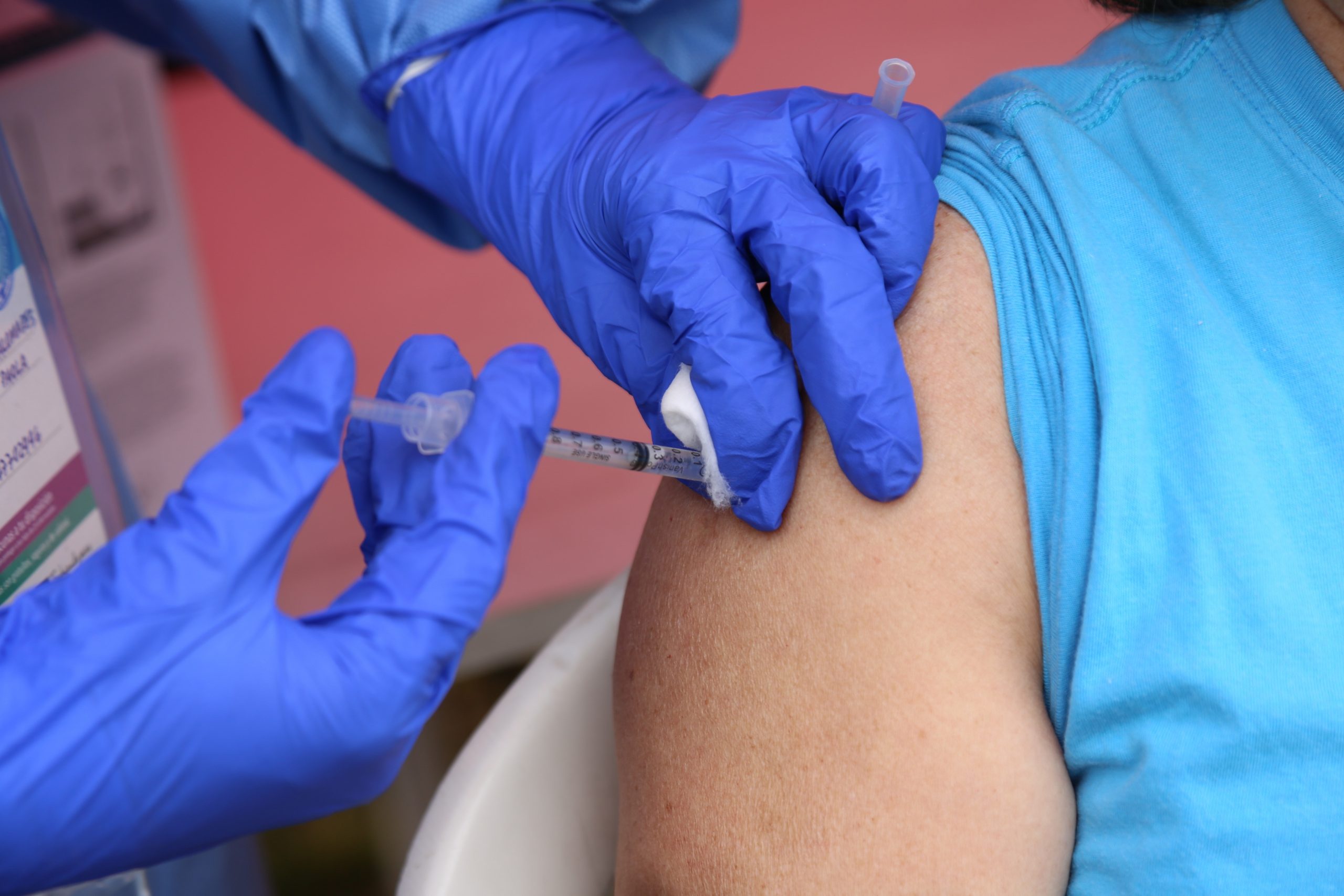
Health Ministry fast-tracks COVID-19 booster shots
The government began on Tuesday to administer third booster doses of the coronavirus vaccine.
Egypt announces first 3 Omicron cases
The announcement comes three weeks after the WHO announced the discovery of the strain
Your support is the only way to ensure independent, progressive journalism survives.
You have a right to access accurate information, be stimulated by innovative and nuanced reporting, and be moved by compelling storytelling. Subscribe now to become part of the growing community of members who help us maintain our editorial independence.
Join us